U.
HomeRegionsLanguagesEmotionsCollections
Find Your Word

“The limits of my language mean the limits of my world.”

— Ludwig Wittgenstein, Philosopher

Untranslatable

A curated collection of the world's most beautiful expressions—words that remind us language is humanity's greatest invention.

  • Home
  • Collections
  • Regions
  • Countries
  • Emotions
  • Tags
  • Contexts
  • Finder
  • Europe
  • Asia
  • Americas
  • Africa
  • Middle East
  • About
  • Contact
  • Privacy Policy
  • Terms of Service

2026 © Untranslatable. All rights reserved.

    /
    /
    1. Home
    2. /
    3. Europe
    4. /
    5. Falácias
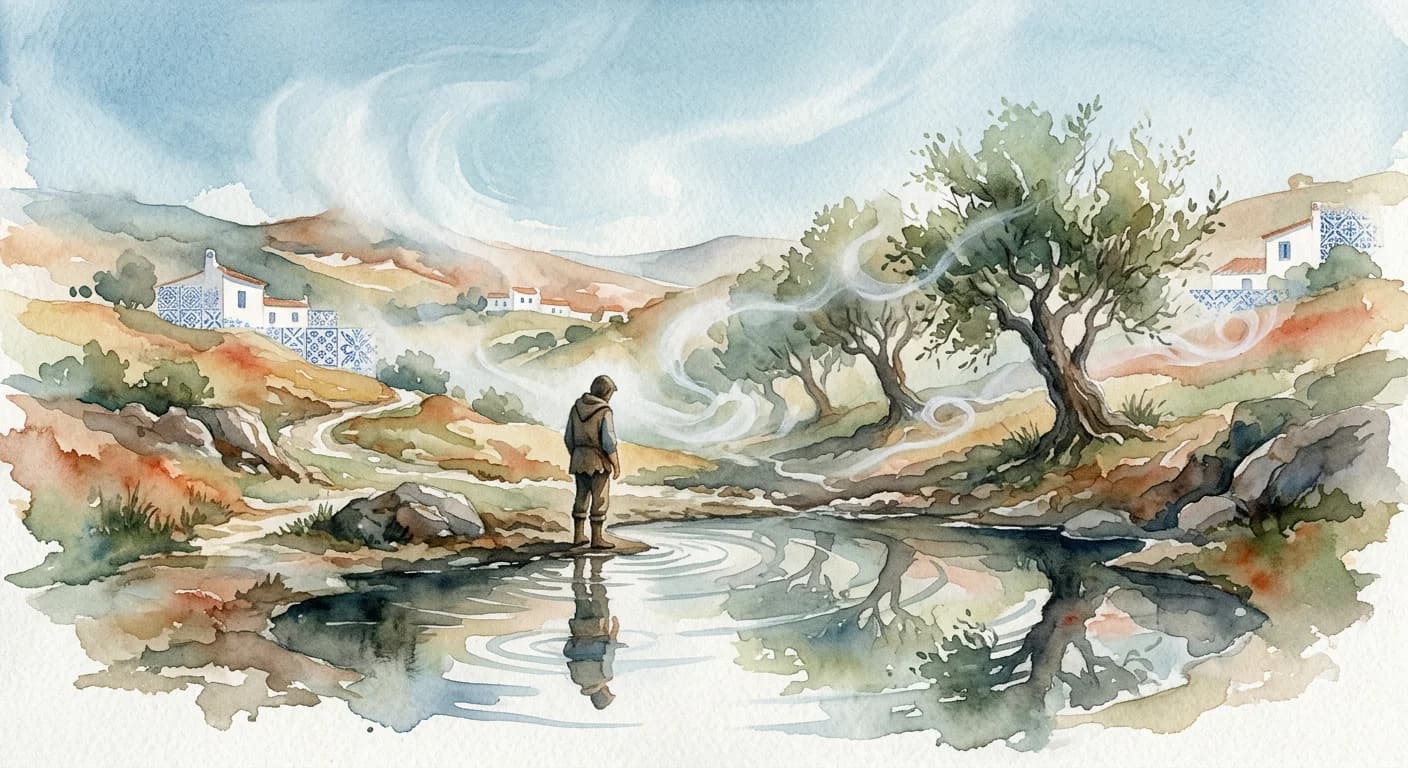
    Artistic representation of Falácias
    Portuguese•
    🇧🇷Brazil🇵🇹Portugal🇪🇸Spain

    Falácias

    /fah-LAH-see-ahs/

    Meaning

    While 'falácias' certainly encompasses logical errors, its Portuguese usage delves deeper, often pointing to a broader landscape of deceptive appearances, artfully misleading statements, or even cherished, yet unfounded, notions. It describes the subtle ways reality can be distorted, not just by external manipulation but also by one's own biases and wishful thinking, creating a poignant disconnect between perception and truth. This concept fosters a gentle skepticism towards surface-level claims and a profound awareness of the human propensity for self-deception.

    Literal Translation

    Fallacies

    The Story Behind the Word

    The prevalence of 'falácias' in Portuguese discourse, especially in Portugal, reflects a cultural inclination towards nuanced observation and a certain melancholic wisdom regarding human nature. Rooted in a long history of philosophical inquiry and a literary tradition that often explores the subjective nature of reality and the human condition, 'falácias' speaks to a recognition that truth is rarely straightforward. It acknowledges that people, whether intentionally or not, often present distorted versions of reality, and that one's own mind can be a source of comforting illusions. This perspective is less about condemnation and more about a quiet understanding of the complexities of perception and belief, echoing the contemplative spirit found in many Portuguese artistic expressions.

    Experience It

    Political Promises

    During a heated debate, the candidate made grand promises about immediate economic recovery. An elderly voter, listening intently, sighed and muttered, 'Mais uma das suas falácias,' recognizing the deceptive optimism rather than a concrete plan.

    Romantic Idealization

    She painted a picture of her new boyfriend as a perfect, flawless individual, ignoring all his obvious shortcomings. Her friend gently commented, 'Isso são as falácias do amor,' understanding her friend's wishful thinking was distorting her perception.

    The Deeper Meaning

    This word reveals a philosophical stance that values skepticism and introspection, suggesting that true understanding requires looking beyond superficial claims and acknowledging the pervasive influence of subjective interpretation. It highlights a keen awareness of the gap between objective reality and perceived truth, promoting a humble acceptance of human fallibility and the seductive power of comforting illusions. It's a reminder that even our own minds can be sources of 'falácias'.

    Did You Know?

    The word 'falácias' is often used in Portuguese folk wisdom to gently caution against believing everything one sees or hears, emphasizing critical thought without being overtly confrontational.

    How It's Used

    Used in everyday conversation, literature, and philosophical discussions to describe logical fallacies, misleading arguments, deceptive appearances, or even flights of fancy.

    Emotion
    wonder
    Contexts
    daily life,philosophy
    🇧🇷Brazil🇵🇹Portugal🇪🇸Spain

    by Anya Petrova·Written Mar 14, 2026·Updated Apr 3, 2026

    Related Words

    Explore more
    HyggeDanish

    Hygge is more than mere coziness; it's a holistic embrace of comfort, warmth, and belonging that nourishes the soul. It describes the intentional creation of an intimate atmosphere where simple pleasures, genuine connection, and mindful presence converge, fostering a profound sense of contentment and well-being. It's about finding joy and peace in the small, everyday moments, often shared with loved ones.

    SaudadePortuguese

    Saudade encapsulates a profound, melancholic longing for something or someone cherished that is absent, often with the bittersweet knowledge that it may never return. It's a deep emotional state tinged with nostalgia, evoking a sense of loss for past experiences, places, or people, yet also holding a tender appreciation for the beauty of what once was. This yearning is not merely sadness, but a complex tapestry of desire, memory, and a poignant acceptance of absence, holding the beloved in a warm, persistent embrace within the heart.

    GezelligDutch

    Gezellig encapsulates a profound sense of warmth, belonging, and convivial comfort, extending beyond mere coziness to embrace the social and emotional atmosphere. It's the feeling of being truly at ease, surrounded by good company, laughter, and a shared sense of contentment. This untranslatable term describes not just a physical space, but a holistic experience where time seems to slow down, fostering genuine connection and a deep sense of well-being.

    Dolce far nienteItalian

    Dolce far niente captures the profound joy and effortless pleasure derived from simply existing without obligation or purpose. It's the art of savoring moments of pure, unadulterated idleness – lying in the sun, watching the clouds drift, or enjoying a leisurely coffee – not as a break from work, but as a valuable state in itself. This 'sweetness of doing nothing' is a conscious embrace of stillness and contentment, allowing the soul to breathe and the senses to fully engage with the present.