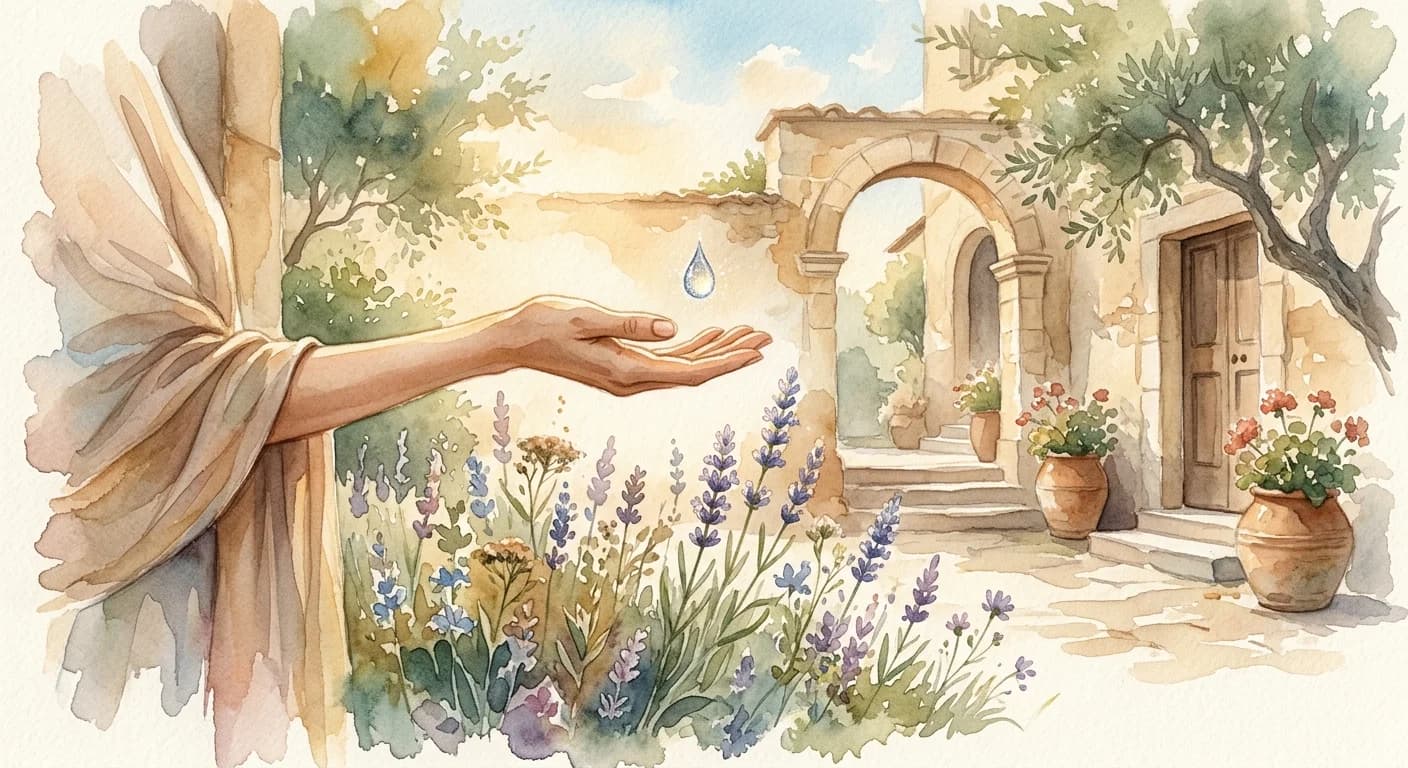
Felicità
/feh-lee-chee-TAH/
Meaning
Felicità transcends mere transient pleasure, embodying a profound, resonant joy that permeates one's being. It's a holistic state of contentment and well-being, deeply rooted in appreciating life's simple, beautiful moments and experiencing a profound sense of grace. This Italian concept speaks to an inner serenity and a grateful recognition of life's abundant blessings, fostering a way of existing with a full heart. Ultimately, felicità signifies a flourishing existence, where one feels truly alive, at peace, and harmoniously connected to the world.
Literal Translation
happiness
The Story Behind the Word
The concept of 'felicità' is deeply woven into the fabric of Italian culture, reflecting a historical appreciation for beauty, family, and the 'dolce vita' – the sweet life. Unlike some cultures that might prioritize external achievements or material wealth, Italian philosophy, influenced by ancient Roman and Renaissance ideals, often places a high value on inner contentment and the richness of human experience. This word exists because it encapsulates a cultural aspiration: to find joy not just in grand events, but in the everyday rituals, the warmth of human connection, and the aesthetic pleasures of life. It reveals a worldview that values presence, gratitude, and a certain resilience in finding light amidst life's challenges, emphasizing that true happiness is often cultivated internally.
Experience It
A Simple Family Meal
Gathered around a table laden with homemade pasta, nonna laughs as her grandchildren recount their day. The clinking of glasses, the aroma of basil, and the easy chatter fill the air. In this moment, everyone feels a deep sense of felicità.
Sunset over the Tuscan Hills
Sitting on a veranda, watching the sun dip below the rolling Tuscan hills, casting hues of orange and purple across the vineyards. A gentle breeze, a glass of local wine, and a quiet moment of reflection bring an overwhelming sense of felicità.
The Deeper Meaning
Felicità reflects a philosophical stance that true well-being is not solely dependent on external circumstances but is cultivated through an internal orientation towards gratitude, connection, and the appreciation of beauty. It aligns with eudaimonia, the ancient Greek concept of human flourishing, suggesting a life lived virtuously and meaningfully. This perspective emphasizes that a rich, fulfilling life is found in recognizing and embracing the inherent goodness and joy present in existence.
Did You Know?
The Italian national anthem's original title was 'Il Canto degli Italiani,' but it's often referred to as 'Fratelli d'Italia' and evokes a sense of shared national felicità.
How It's Used
Used to describe a state of deep happiness, contentment, and the appreciation of life's positive aspects.