U.
HomeRegionsLanguagesEmotionsCollections
Find Your Word

“The limits of my language mean the limits of my world.”

— Ludwig Wittgenstein, Philosopher

Untranslatable

A curated collection of the world's most beautiful expressions—words that remind us language is humanity's greatest invention.

  • Home
  • Collections
  • Regions
  • Countries
  • Emotions
  • Tags
  • Contexts
  • Finder
  • Europe
  • Asia
  • Americas
  • Africa
  • Middle East
  • About
  • Contact
  • Privacy Policy
  • Terms of Service

2026 © Untranslatable. All rights reserved.

    /
    /
    1. Home
    2. /
    3. Europe
    4. /
    5. Habseligkeiten
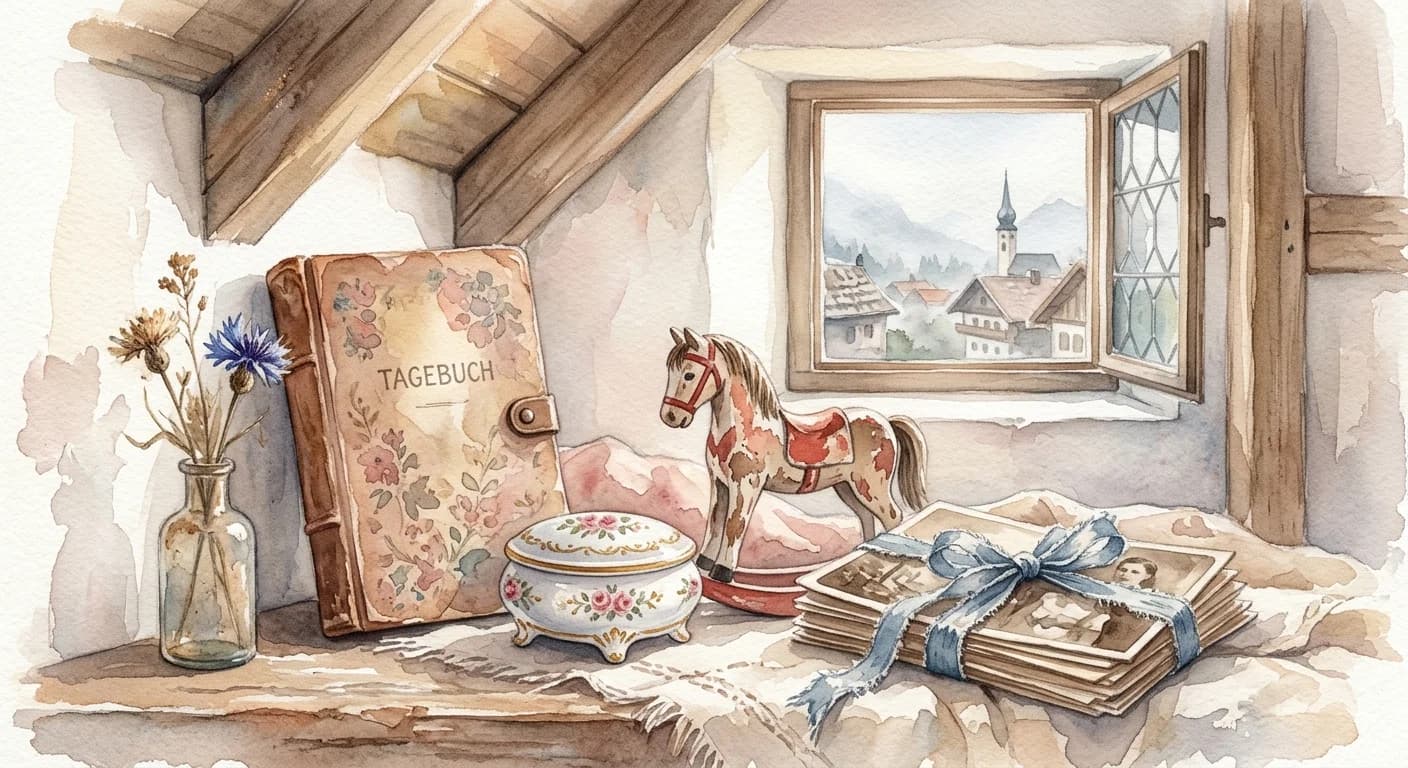
    Artistic representation of Habseligkeiten
    German•
    🇦🇹Austria🇩🇪Germany🇨🇭Switzerland

    Habseligkeiten

    /HAHP-zel-eech-kiten/

    Meaning

    Habseligkeiten encapsulates more than mere possessions; it refers to the collection of personal belongings imbued with sentimental value, accumulated over a lifetime, and intrinsically linked to one's identity. These are the tangible echoes of memories, adventures, and quiet comforts that transform a space into a home. It evokes a tender attachment to the items that tell the story of a life, representing not just utility but the very essence of one's personal history and emotional landscape, often cherished even when humble.

    Literal Translation

    Hab (have) + selig (blessed/happy) + keiten (things/possessions)

    The Story Behind the Word

    The existence of 'Habseligkeiten' in German culture speaks to a deep-seated appreciation for personal history, continuity, and the tangible anchors of memory. Germany's past, marked by periods of displacement, war, and rebuilding, has perhaps amplified the significance of what one can truly call one's own and carry with them. The word reflects a cultural sensibility that values the accumulation of a lived life, not just material wealth. It suggests a more introspective relationship with belongings, where objects are not just commodities but silent witnesses and repositories of personal narratives. This contrasts with more consumerist views, highlighting a culture that often finds comfort and identity in the familiar and the enduring, rather than the constantly new.

    Experience It

    Packing for a Move

    As Sarah prepared to move to a new city, she carefully packed her 'Habseligkeiten': the worn cookbook from her grandmother, the faded photographs, and the small wooden bird carved by her father. Each item, though not necessarily valuable, held a piece of her past that she couldn't leave behind.

    A Life's Collection

    After her grandmother passed, Anna sorted through her 'Habseligkeiten' – a collection of antique buttons, carefully pressed dried flowers, and letters tied with faded ribbons. These humble treasures painted a vivid picture of a life rich in quiet joys and cherished moments, far more than any grand estate could.

    The Deeper Meaning

    The word 'Habseligkeiten' reflects a philosophical stance where identity is deeply intertwined with one's material world, not in a materialistic sense, but as a recognition of how objects become extensions of self, memory, and experience. It suggests that our personal history is not just abstract but is physically manifested in the things we choose to keep close, revealing a worldview that values the concrete echoes of a lived life.

    Did You Know?

    The 'selig' in 'Habseligkeiten' (blessed/happy) suggests that these belongings aren't just 'had' but are 'blessed' or 'fortunate' to possess, hinting at a deeper gratitude for one's personal treasures.

    How It's Used

    Used to refer to personal belongings, especially those with sentimental value, often in contexts of moving, packing, or discussing one's possessions.

    Emotions
    belonging,comfort,nostalgia,warmth
    Contexts
    daily life,family,solitude
    🇦🇹Austria🇩🇪Germany🇨🇭Switzerland

    by Annelise Dubois·Written Mar 14, 2026·Updated Apr 3, 2026

    Related Words

    Explore more
    HyggeDanish

    Hygge is more than mere coziness; it's a holistic embrace of comfort, warmth, and belonging that nourishes the soul. It describes the intentional creation of an intimate atmosphere where simple pleasures, genuine connection, and mindful presence converge, fostering a profound sense of contentment and well-being. It's about finding joy and peace in the small, everyday moments, often shared with loved ones.

    SaudadePortuguese

    Saudade encapsulates a profound, melancholic longing for something or someone cherished that is absent, often with the bittersweet knowledge that it may never return. It's a deep emotional state tinged with nostalgia, evoking a sense of loss for past experiences, places, or people, yet also holding a tender appreciation for the beauty of what once was. This yearning is not merely sadness, but a complex tapestry of desire, memory, and a poignant acceptance of absence, holding the beloved in a warm, persistent embrace within the heart.

    GezelligDutch

    Gezellig encapsulates a profound sense of warmth, belonging, and convivial comfort, extending beyond mere coziness to embrace the social and emotional atmosphere. It's the feeling of being truly at ease, surrounded by good company, laughter, and a shared sense of contentment. This untranslatable term describes not just a physical space, but a holistic experience where time seems to slow down, fostering genuine connection and a deep sense of well-being.

    Dolce far nienteItalian

    Dolce far niente captures the profound joy and effortless pleasure derived from simply existing without obligation or purpose. It's the art of savoring moments of pure, unadulterated idleness – lying in the sun, watching the clouds drift, or enjoying a leisurely coffee – not as a break from work, but as a valuable state in itself. This 'sweetness of doing nothing' is a conscious embrace of stillness and contentment, allowing the soul to breathe and the senses to fully engage with the present.