U.
HomeRegionsLanguagesEmotionsCollections
Find Your Word

“The limits of my language mean the limits of my world.”

— Ludwig Wittgenstein, Philosopher

Untranslatable

A curated collection of the world's most beautiful expressions—words that remind us language is humanity's greatest invention.

  • Home
  • Collections
  • Regions
  • Countries
  • Emotions
  • Tags
  • Contexts
  • Finder
  • Europe
  • Asia
  • Americas
  • Africa
  • Middle East
  • About
  • Contact
  • Privacy Policy
  • Terms of Service

2026 © Untranslatable. All rights reserved.

    /
    /
    1. Home
    2. /
    3. Europe
    4. /
    5. Malakas
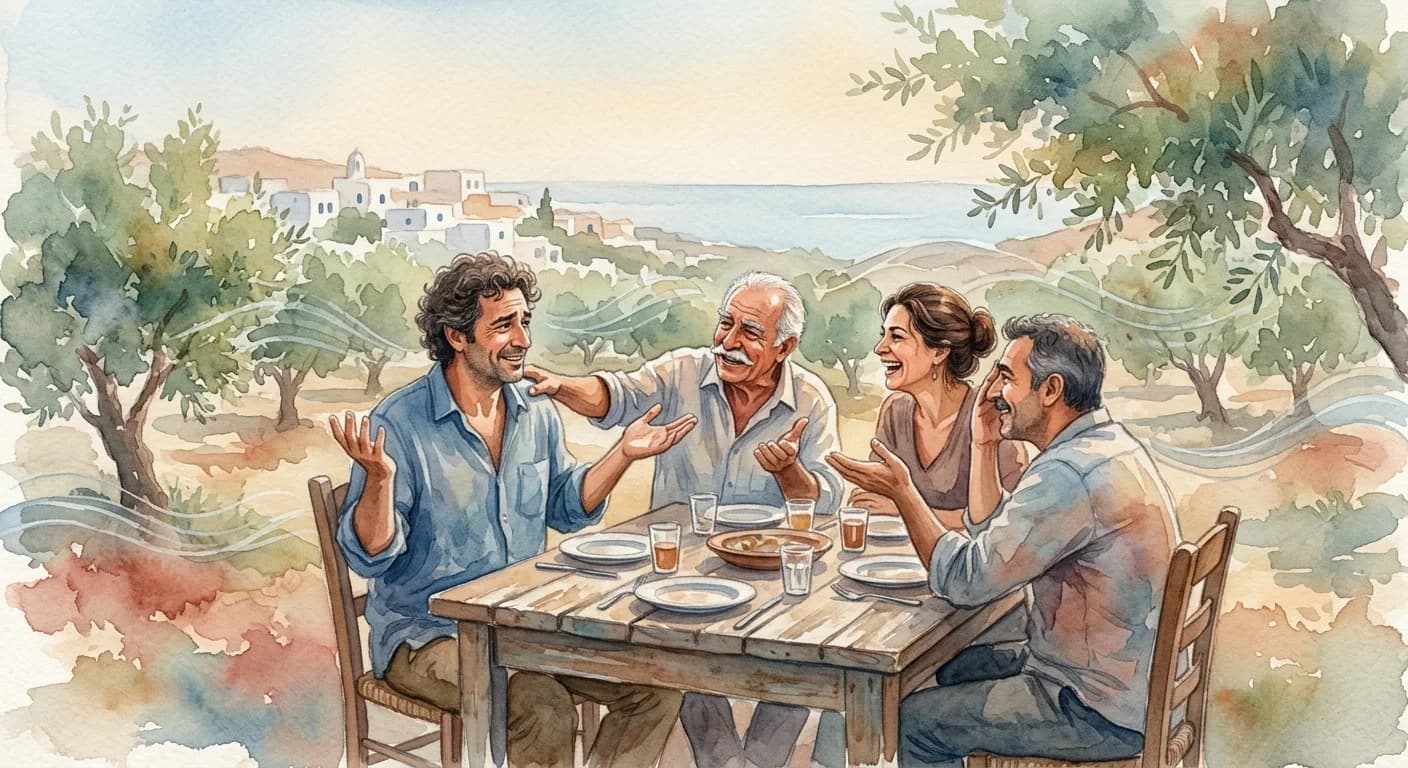
    Artistic representation of Malakas
    Greek•
    🇨🇾Cyprus🇬🇷Greece

    Malakas

    /mah-LAH-kas/

    Meaning

    While literally translating to 'wanker' or 'jerk', 'malakas' is a quintessential Greek word used with an astonishing range of connotations that defy simple translation. It can be a deeply offensive insult, a sharp exclamation of frustration, or, perhaps most uniquely, an affectionate term among friends, implying a sort of bumbling, loveable rogue. This linguistic chameleon embodies a uniquely Greek way of navigating social interactions, blending bluntness with an underlying current of camaraderie and often, a wry sense of humor.

    Literal Translation

    Wanker, jerk, masturbator

    The Story Behind the Word

    The ubiquity and versatility of 'malakas' in Greek culture speaks volumes about the directness and emotional expressiveness inherent in Greek communication. It exists because Greek social bonds, particularly among men, are often forged through a blend of teasing, mock aggression, and deep loyalty. The word acts as a social lubricant, allowing for the release of tension, expression of strong emotions without necessarily causing offense, and reinforcing group identity. It reveals a cultural comfort with ambiguity and a reliance on context, tone, and shared history to imbue words with their true meaning, rather than strict literal interpretations. It’s a verbal shorthand for a complex web of relationships and shared experiences, highlighting a culture that values authenticity and immediate emotional response over rigid politeness.

    Experience It

    Affectionate Teasing

    Two old friends, Yiannis and Nikos, are playing tavli (backgammon) at a kafenio. Yiannis makes a terrible move, and Nikos, shaking his head with a grin, says, 'Ah, malaka! You just handed me the game!' Yiannis laughs, knowing there's no real malice, just friendly banter.

    Frustrated Exclamation

    Maria is stuck in Athens traffic, running late for an important appointment. A car cuts her off abruptly. She slams the steering wheel in frustration and mutters loudly, 'Malaka!' It's an outburst of annoyance, not directed at anyone specific, but at the situation itself.

    The Deeper Meaning

    The word 'malakas' subtly reveals a Greek philosophical inclination towards recognizing human imperfection and the inherent comedic, or sometimes tragic, aspects of everyday life. It suggests a worldview where self-deprecation and the acknowledgement of others' flaws are not necessarily weaknesses, but rather part of the shared human condition, fostering a sense of communal understanding and resilience.

    Did You Know?

    Despite its seemingly crude literal meaning, 'malakas' is so ingrained in Greek speech that it's often used reflexively, even by those who might otherwise avoid profanity, underscoring its unique cultural function.

    How It's Used

    Used in informal settings among friends, family, and acquaintances. Can be used as an insult, an exclamation of surprise or frustration, or even a term of endearment depending on context and tone.

    Emotions
    anger,belonging,wonder
    Contexts
    celebration,farewell,friendship,greeting
    🇨🇾Cyprus🇬🇷Greece

    by Sofia Rossi·Written Mar 14, 2026·Updated Apr 3, 2026

    Related Words

    Explore more
    HyggeDanish

    Hygge is more than mere coziness; it's a holistic embrace of comfort, warmth, and belonging that nourishes the soul. It describes the intentional creation of an intimate atmosphere where simple pleasures, genuine connection, and mindful presence converge, fostering a profound sense of contentment and well-being. It's about finding joy and peace in the small, everyday moments, often shared with loved ones.

    SaudadePortuguese

    Saudade encapsulates a profound, melancholic longing for something or someone cherished that is absent, often with the bittersweet knowledge that it may never return. It's a deep emotional state tinged with nostalgia, evoking a sense of loss for past experiences, places, or people, yet also holding a tender appreciation for the beauty of what once was. This yearning is not merely sadness, but a complex tapestry of desire, memory, and a poignant acceptance of absence, holding the beloved in a warm, persistent embrace within the heart.

    GezelligDutch

    Gezellig encapsulates a profound sense of warmth, belonging, and convivial comfort, extending beyond mere coziness to embrace the social and emotional atmosphere. It's the feeling of being truly at ease, surrounded by good company, laughter, and a shared sense of contentment. This untranslatable term describes not just a physical space, but a holistic experience where time seems to slow down, fostering genuine connection and a deep sense of well-being.

    Dolce far nienteItalian

    Dolce far niente captures the profound joy and effortless pleasure derived from simply existing without obligation or purpose. It's the art of savoring moments of pure, unadulterated idleness – lying in the sun, watching the clouds drift, or enjoying a leisurely coffee – not as a break from work, but as a valuable state in itself. This 'sweetness of doing nothing' is a conscious embrace of stillness and contentment, allowing the soul to breathe and the senses to fully engage with the present.