U.
HomeRegionsLanguagesEmotionsCollections
Find Your Word

“The limits of my language mean the limits of my world.”

— Ludwig Wittgenstein, Philosopher

Untranslatable

A curated collection of the world's most beautiful expressions—words that remind us language is humanity's greatest invention.

  • Home
  • Collections
  • Regions
  • Countries
  • Emotions
  • Tags
  • Contexts
  • Finder
  • Europe
  • Asia
  • Americas
  • Africa
  • Middle East
  • About
  • Contact
  • Privacy Policy
  • Terms of Service

2026 © Untranslatable. All rights reserved.

    /
    /
    1. Home
    2. /
    3. Europe
    4. /
    5. Påtår
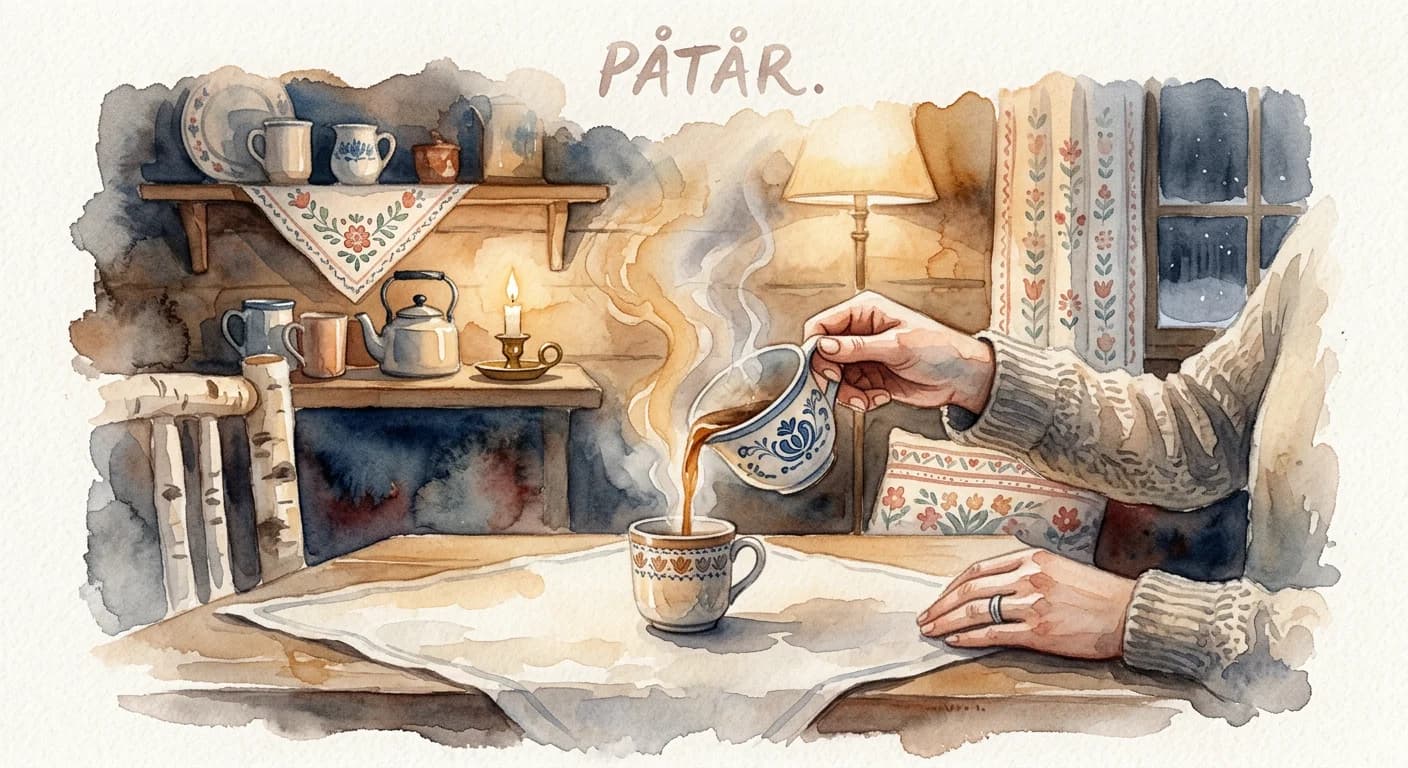
    Artistic representation of Påtår
    Swedish•
    🇸🇪Sweden

    Påtår

    /POH-tor/

    Meaning

    Påtår transcends a simple refill; it's an invitation to linger, a silent affirmation that the company and conversation are cherished. This act of pouring another round, typically of coffee, for someone already seated, is a warm gesture of hospitality and attentiveness. It subtly communicates that the host values the shared moment and wishes for it to continue, making the guest feel deeply welcomed and appreciated in a quintessentially Swedish way.

    Literal Translation

    A pour/refill (often implies a second pour)

    The Story Behind the Word

    The existence of "påtår" is deeply rooted in Sweden's fika culture and a broader appreciation for quiet, unhurried social connection. Fika, a coffee break often accompanied by pastries, is a cornerstone of Swedish social life, providing a structured yet relaxed setting for interaction. "Påtår" elevates this by signifying that the enjoyment of the fika, and more importantly, the company, is so profound that it warrants an extension. It reflects a cultural value of understated generosity, where actions speak louder than words, and hospitality is expressed through comfort and continuity rather than overt fanfare. This word reveals a society that cherishes sustained, quality human connection over quick, transactional interactions, emphasizing presence and shared experience.

    Experience It

    Grandmother's Warmth

    After an hour of lively family chatter, Grandma Ingrid quietly approaches her grandson, cup in hand. With a gentle smile, she offers, 'Påtår?' as she tops up his coffee, a silent message that she's enjoying his visit and hopes he'll stay longer.

    Afternoon Office Fika

    During an informal afternoon fika at the office, Anna notices her colleague's cup is nearly empty. Without asking, she picks up the pot and asks, 'Påtår?' It's a small gesture that signals camaraderie and an unspoken agreement to extend their pleasant break.

    The Deeper Meaning

    The "påtår" embodies a philosophy of valuing presence and sustained connection. It's an antidote to the rushed pace of modern life, encouraging individuals to slow down, savor moments, and extend hospitality through simple, mindful acts. It reflects a belief that true richness lies in shared time and comfortable companionship, rather than elaborate gestures or material gifts.

    Did You Know?

    Swedes are among the world's highest coffee consumers, making the concept of a "påtår" a frequent and cherished part of daily life and social gatherings.

    How It's Used

    Used when offering a refill of coffee or another beverage during a social gathering, particularly in a home setting.

    Emotions
    belonging,comfort,gratitude,warmth
    Contexts
    dining,family,friendship
    🇸🇪Sweden

    by Anya Petrova·Written Mar 14, 2026·Updated Apr 3, 2026

    Related Words

    Explore more
    HyggeDanish

    Hygge is more than mere coziness; it's a holistic embrace of comfort, warmth, and belonging that nourishes the soul. It describes the intentional creation of an intimate atmosphere where simple pleasures, genuine connection, and mindful presence converge, fostering a profound sense of contentment and well-being. It's about finding joy and peace in the small, everyday moments, often shared with loved ones.

    SaudadePortuguese

    Saudade encapsulates a profound, melancholic longing for something or someone cherished that is absent, often with the bittersweet knowledge that it may never return. It's a deep emotional state tinged with nostalgia, evoking a sense of loss for past experiences, places, or people, yet also holding a tender appreciation for the beauty of what once was. This yearning is not merely sadness, but a complex tapestry of desire, memory, and a poignant acceptance of absence, holding the beloved in a warm, persistent embrace within the heart.

    GezelligDutch

    Gezellig encapsulates a profound sense of warmth, belonging, and convivial comfort, extending beyond mere coziness to embrace the social and emotional atmosphere. It's the feeling of being truly at ease, surrounded by good company, laughter, and a shared sense of contentment. This untranslatable term describes not just a physical space, but a holistic experience where time seems to slow down, fostering genuine connection and a deep sense of well-being.

    Dolce far nienteItalian

    Dolce far niente captures the profound joy and effortless pleasure derived from simply existing without obligation or purpose. It's the art of savoring moments of pure, unadulterated idleness – lying in the sun, watching the clouds drift, or enjoying a leisurely coffee – not as a break from work, but as a valuable state in itself. This 'sweetness of doing nothing' is a conscious embrace of stillness and contentment, allowing the soul to breathe and the senses to fully engage with the present.