U.
HomeRegionsLanguagesEmotionsCollections
Find Your Word

“The limits of my language mean the limits of my world.”

— Ludwig Wittgenstein, Philosopher

Untranslatable

A curated collection of the world's most beautiful expressions—words that remind us language is humanity's greatest invention.

  • Home
  • Collections
  • Regions
  • Countries
  • Emotions
  • Tags
  • Contexts
  • Finder
  • Europe
  • Asia
  • Americas
  • Africa
  • Middle East
  • About
  • Contact
  • Privacy Policy
  • Terms of Service

2026 © Untranslatable. All rights reserved.

    /
    /
    1. Home
    2. /
    3. Europe
    4. /
    5. Saper vivere
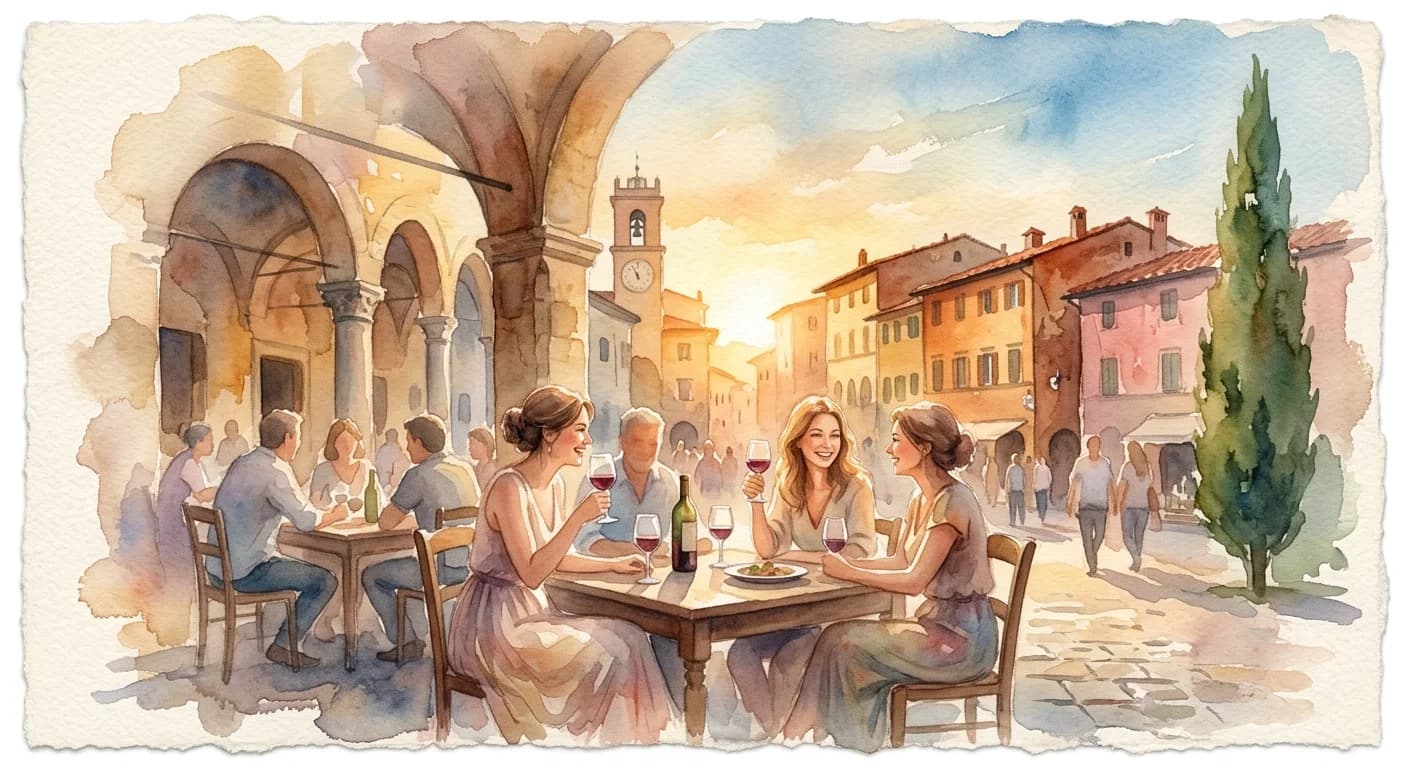
    Artistic representation of Saper vivere
    Italian•
    🇮🇹Italy

    Saper vivere

    /SAH-pair VEE-veh-reh/

    Meaning

    Saper vivere is the exquisite Italian art of navigating life with effortless grace, refined appreciation, and a profound sense of balance. It's about possessing an innate wisdom that allows one to savor daily pleasures, manage social intricacies with charm, and confront challenges with elegant composure. This concept embodies a cultivated ability to infuse every aspect of existence, from a perfectly brewed espresso to a thoughtful conversation, with intention, joy, and sophisticated flair, transforming life itself into a masterpiece.

    Literal Translation

    To know how to live

    The Story Behind the Word

    The concept of 'saper vivere' is deeply rooted in Italy's long history of civilization, from the Roman Empire's pursuit of 'otium' (leisure for intellectual and artistic development) to the Renaissance's emphasis on humanism, beauty, and the cultivated individual. It reflects a culture that values aesthetics, social harmony, and the art of living well above mere material accumulation. This word exists because Italian society places a high premium on the quality of life, the richness of human experience, and the ability to find beauty and meaning in everyday existence. It reveals a worldview where life is not just to be endured or survived, but to be celebrated and artfully crafted, reflecting a deep appreciation for the sensual, intellectual, and social dimensions of being.

    Experience It

    Hosting with Grace

    Maria, preparing a dinner party, doesn't just cook well; she orchestrates an atmosphere. The lighting is soft, the music subtle, and her effortless conversation ensures every guest feels cherished and engaged, making the evening flow beautifully without a hint of stress. This is saper vivere in action, transforming a meal into a memorable experience.

    Unexpected Challenge

    When Marco's flight was unexpectedly delayed for hours, he didn't fume. Instead, he found a quiet cafe, ordered a perfect cappuccino, and used the time to read a book he'd been meaning to start. His calm acceptance and ability to find a moment of peace amid disruption showcased his saper vivere.

    The Deeper Meaning

    Saper vivere embodies a philosophy that views life as an art form, not merely a series of events. It suggests that true fulfillment comes from cultivating one's inner world, refining one's interactions, and actively seeking beauty and meaning in all circumstances. It's an affirmation of human agency in shaping a life of richness and grace, emphasizing intentionality and appreciation over passive consumption or hurried existence.

    Did You Know?

    Did you know that 'saper vivere' extends even to the art of dressing? An individual with saper vivere doesn't just wear expensive clothes, but chooses garments that are impeccably suited to the occasion, their personality, and the overall aesthetic, always with an air of understated elegance.

    How It's Used

    Used to describe someone who has mastered the art of living well, handling life's complexities with grace and enjoying life's pleasures with a sophisticated appreciation.

    Emotions
    contentment,joy,warmth
    Contexts
    daily life,dining,relaxation,social interaction
    🇮🇹Italy

    by Annelise Dubois·Written Mar 14, 2026·Updated Apr 3, 2026

    Related Words

    Explore more
    HyggeDanish

    Hygge is more than mere coziness; it's a holistic embrace of comfort, warmth, and belonging that nourishes the soul. It describes the intentional creation of an intimate atmosphere where simple pleasures, genuine connection, and mindful presence converge, fostering a profound sense of contentment and well-being. It's about finding joy and peace in the small, everyday moments, often shared with loved ones.

    SaudadePortuguese

    Saudade encapsulates a profound, melancholic longing for something or someone cherished that is absent, often with the bittersweet knowledge that it may never return. It's a deep emotional state tinged with nostalgia, evoking a sense of loss for past experiences, places, or people, yet also holding a tender appreciation for the beauty of what once was. This yearning is not merely sadness, but a complex tapestry of desire, memory, and a poignant acceptance of absence, holding the beloved in a warm, persistent embrace within the heart.

    GezelligDutch

    Gezellig encapsulates a profound sense of warmth, belonging, and convivial comfort, extending beyond mere coziness to embrace the social and emotional atmosphere. It's the feeling of being truly at ease, surrounded by good company, laughter, and a shared sense of contentment. This untranslatable term describes not just a physical space, but a holistic experience where time seems to slow down, fostering genuine connection and a deep sense of well-being.

    Dolce far nienteItalian

    Dolce far niente captures the profound joy and effortless pleasure derived from simply existing without obligation or purpose. It's the art of savoring moments of pure, unadulterated idleness – lying in the sun, watching the clouds drift, or enjoying a leisurely coffee – not as a break from work, but as a valuable state in itself. This 'sweetness of doing nothing' is a conscious embrace of stillness and contentment, allowing the soul to breathe and the senses to fully engage with the present.

    Featured in 1 collection

    😄Humor Across Cultures