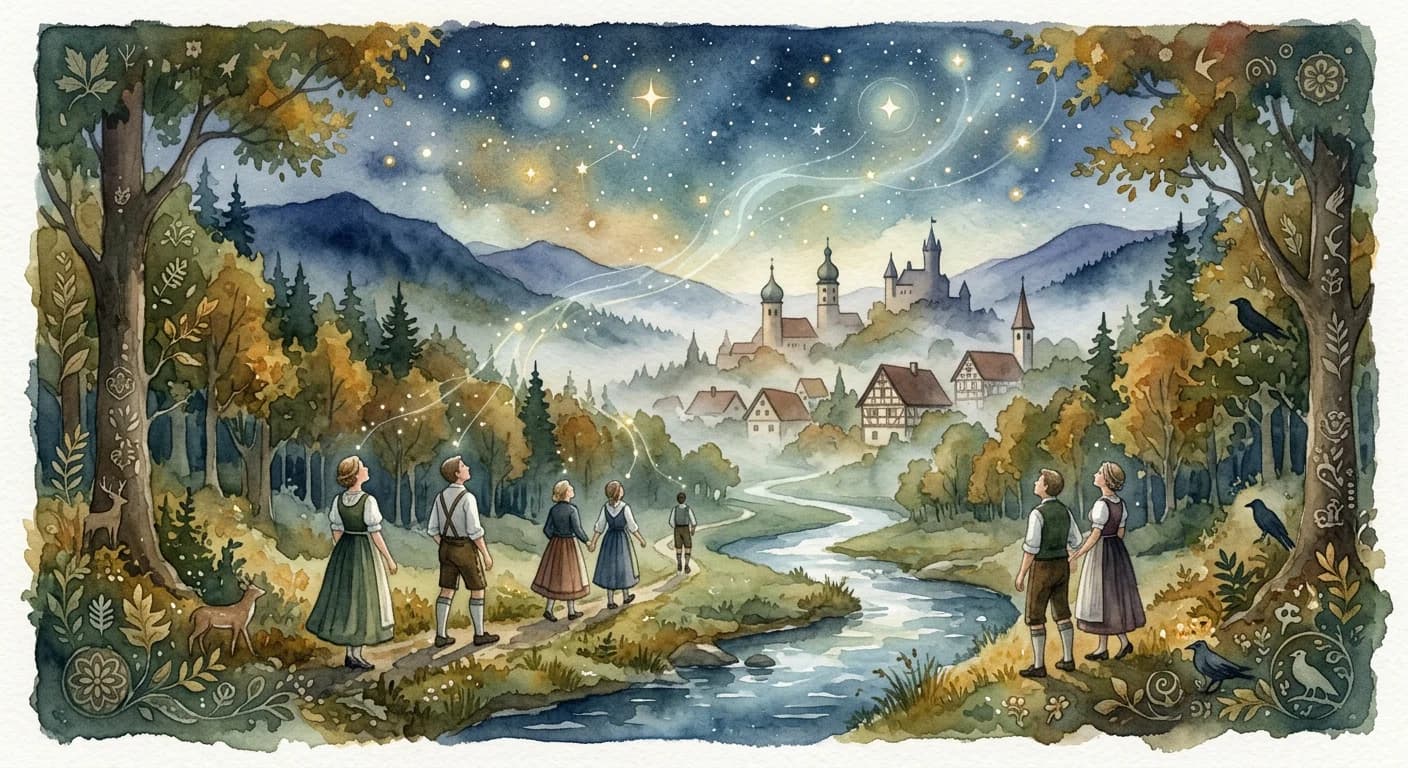
Volksgeist
/FOLKS-gaist/
Meaning
Volksgeist transcends a simple national identity; it is the deep, almost mystical current that flows through a people, shaping their collective soul and distinguishing them from all others. It embodies the shared historical experiences, artistic expressions, philosophical inclinations, and even the subtle rhythms of daily life that coalesce into a unique cultural fingerprint. This concept suggests that a nation's laws, language, and artistic achievements are not merely products of individual genius, but manifestations of this overarching, unifying spirit, fostering a profound sense of communal identity and destiny.
Literal Translation
People's spirit
The Story Behind the Word
The concept of Volksgeist emerged prominently during the late 18th and early 19th centuries in Germany, a period marked by the Enlightenment's universalism and the subsequent Romantic reaction. Thinkers like Johann Gottfried Herder championed Volksgeist as a counterpoint to the French Enlightenment's emphasis on universal reason, arguing instead for the inherent value and unique development of each nation's culture. It became a cornerstone of German nationalism, suggesting that a shared language, history, and culture formed the basis of a natural, organic community. This idea profoundly influenced the development of disciplines like philology, ethnography, and history, as scholars sought to uncover and define the distinct 'spirit' of the German people and other nations. It reveals a worldview that values organic growth, historical continuity, and the inherent diversity of human cultures over universal, abstract principles.
Experience It
Architectural Echoes
A German architect, discussing plans for a new public building, emphasizes the need for a design that resonates with the 'Volksgeist' of the region. He insists on incorporating traditional materials and forms, not just for aesthetics, but to ensure the structure feels intrinsically connected to the local history and the community's collective identity, rather than appearing as a foreign imposition.
Literary Heritage
During a university lecture on German literature, the professor explains how the recurring themes of longing, nature, and introspection in works from Goethe to Rilke are not coincidental. She argues they are profound artistic expressions of the 'Volksgeist,' reflecting the enduring philosophical and emotional landscape that has shaped the German cultural imagination for centuries.
The Deeper Meaning
Volksgeist reveals a fundamentally organic and historicist worldview, positing that societies are not mere aggregates of individuals but living entities with distinct developmental paths and intrinsic character. It challenges universalist notions of human nature, instead emphasizing cultural particularity and the deep, often unconscious, forces that bind people together through shared heritage and collective memory. This perspective suggests that true understanding of a people requires an immersion in their unique historical and cultural evolution.
Did You Know?
While often associated with nationalism, the original concept of Volksgeist by Herder was pluralistic, celebrating the unique value of every nation's spirit, not just one's own.
How It's Used
Used in philosophy, sociology, and cultural studies to discuss the unique characteristics and spirit of a particular nation or ethnic group.