Gedogen
/geh-DOH-ghen/
Meaning
Gedogen transcends mere tolerance; it’s a deeply ingrained societal practice of deliberately overlooking minor infractions or formally unapproved activities for the sake of social harmony and pragmatic functionality. It signifies a collective understanding that rigid adherence to every rule would create more friction than benefit, allowing for a flexible, live-and-let-live approach. This nuanced permission acknowledges the 'gray areas' of life, where strict enforcement is often less desirable than a quiet, unspoken acceptance, fostering a sense of mutual understanding and community resilience.
Literal Translation
To tolerate, to permit, to condone
The Story Behind the Word
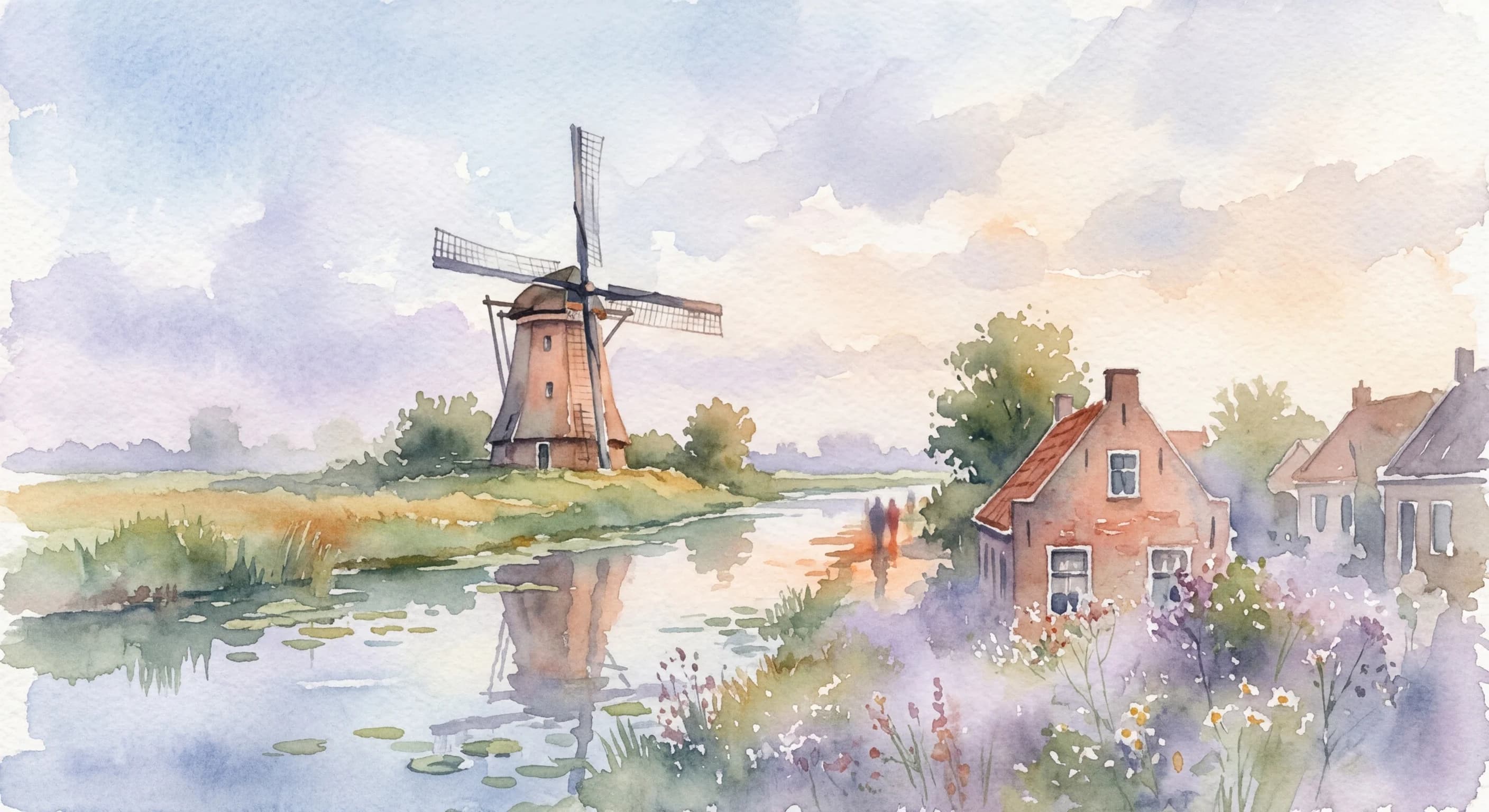
The concept of 'gedogen' is deeply rooted in Dutch history, particularly the tradition of polderen – consensus-based decision-making in water management, where diverse interests had to find common ground to survive. This pragmatic approach extended into social governance, fostering a culture where strict rules could be bent for the greater good of societal peace and efficiency. It reflects a nuanced understanding of freedom and responsibility, where individual liberties are respected, even if they occasionally skirt the edges of legality, so long as they don't actively harm others. This mindset values cooperation and avoiding unnecessary confrontation, seeing a flexible application of rules as a sign of maturity rather than weakness. It's about maintaining social cohesion by not forcing every situation into a black-and-white legal framework, often preferring tacit agreements over explicit enforcement.
Experience It
Bikes on Pedestrian Paths
A young child cycles slowly on a wide pedestrian path, technically against the rules. Passersby smile and move around them, 'gedogen' the minor infraction because it's safer for the child and causes no real nuisance, prioritizing safety and convenience over strict adherence to signage.
Late-Night Cafe Chatter
A group of friends lingers outside a cafe past official closing time, chatting quietly. The owner, though technically able to ask them to leave, 'gedoogt' their presence, appreciating the good atmosphere and knowing they'll eventually depart without disturbance, fostering goodwill.
The Deeper Meaning
Gedogen reveals a profound philosophical stance on governance and human nature: an acknowledgment that laws are imperfect tools, and absolute enforcement can be counterproductive. It embodies a trust in people's common sense and a preference for social harmony over legalistic rigidity. This worldview suggests that a well-functioning society isn't one where every rule is strictly followed, but one where there's enough flexibility to accommodate human behavior without sacrificing order, reflecting a deep-seated pragmatism and tolerance for ambiguity.
Did You Know?
The most famous example of 'gedogen' is the Dutch government's long-standing policy towards cannabis coffee shops, which operate in a legal 'gray area' – cultivation and supply are illegal, but sales and consumption are tolerated under strict conditions.
How It's Used
Used to describe the passive allowance or tolerance of something that is technically against the rules or laws, but is commonly accepted within society.