U.
HomeRegionsLanguagesEmotionsCollections
Find Your Word

“The limits of my language mean the limits of my world.”

— Ludwig Wittgenstein, Philosopher

Untranslatable

A curated collection of the world's most beautiful expressions—words that remind us language is humanity's greatest invention.

  • Home
  • Collections
  • Regions
  • Countries
  • Emotions
  • Tags
  • Contexts
  • Finder
  • Europe
  • Asia
  • Americas
  • Africa
  • Middle East
  • About
  • Contact
  • Privacy Policy
  • Terms of Service

2026 © Untranslatable. All rights reserved.

    /
    /
    1. Home
    2. /
    3. Europe
    4. /
    5. Búsáfn
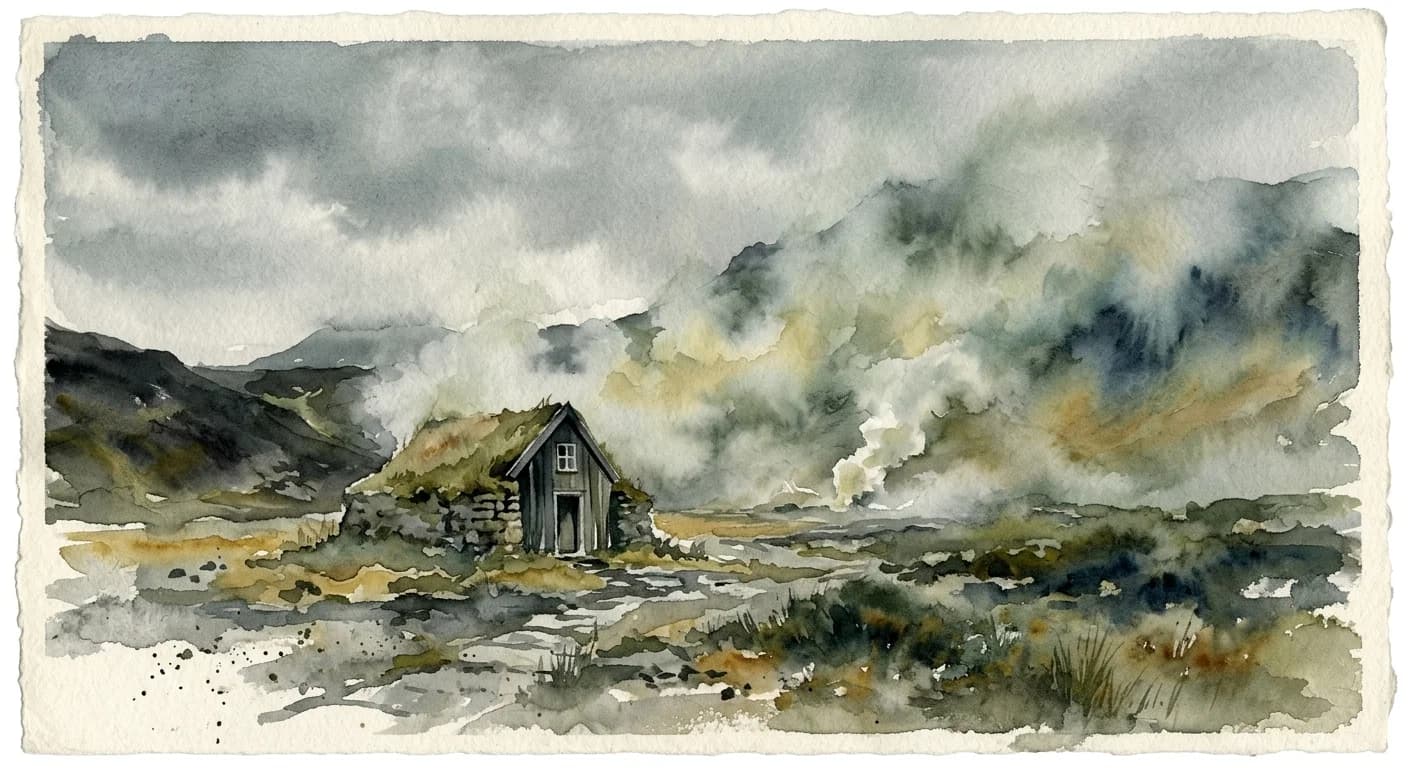
    Artistic representation of Búsáfn
    Icelandic•
    🇮🇸Iceland

    Búsáfn

    /BOO-sahvn/

    Meaning

    Búsáfn transcends a mere bad smell; it is a profound, visceral sensory assault that overwhelms one's entire being. This term captures the intense, often sudden, experience of being assailed by a disagreeable odor or taste so potent it can trigger nausea, an involuntary recoil, or an urgent desire to escape. It speaks to an environmental discomfort that goes beyond simple unpleasantness, evoking a deep-seated physical and psychological reaction to an overwhelming sensory input.

    Literal Translation

    Bad-sea-smell (hypothetical literal translation based on components)

    The Story Behind the Word

    The existence of "Búsáfn" in Icelandic culture is deeply rooted in the island's unique and often harsh environment. Icelanders have historically lived in close proximity to powerful natural forces: active geothermal areas emitting sulfurous fumes, the ever-present sea with its strong fish and brine scents, and the traditional methods of food preservation like fermentation and drying, which produce very pungent aromas. This constant exposure to intense, often challenging, sensory inputs necessitated a word to describe the specific feeling of being completely overcome by such an experience. It reveals a culture that acknowledges and articulates the raw, unadulterated impact of nature on human senses, highlighting a pragmatic acceptance and precise categorization of environmental discomforts rather than simply dismissing them as 'bad smells.' The word reflects a people intimately connected to their surroundings, where sensory experiences are often extreme and demand specific linguistic recognition.

    Experience It

    Geothermal Overload

    Visiting the bubbling mud pots, the tourist suddenly recoiled, clutching their stomach. The acrid, sulfuric smell, intensified by the steam, created an immediate, overwhelming Búsáfn, making them dizzy and desperate for fresh air.

    Fermented Fish Feast

    At the Þorrablót, a newcomer tentatively approached the hákarl. The moment the strong, ammoniac scent hit their nostrils, a powerful Búsáfn washed over them, making their eyes water and their stomach churn in protest.

    The Deeper Meaning

    Búsáfn illustrates a worldview where humans are not always masters of their environment but are profoundly affected by it. It signifies a cultural recognition of humanity's vulnerability to natural forces, particularly through the senses. This word embodies a philosophical understanding that certain sensory experiences are so potent they can temporarily incapacitate, demanding immediate physical and emotional response rather than mere intellectual assessment.

    Did You Know?

    The word's potential etymology, linking to 'bad-sea-smell,' underscores Iceland's deep connection to the ocean and its powerful, sometimes overwhelming, sensory contributions.

    How It's Used

    Used to describe an overwhelming, often unpleasant, sensory experience, typically a strong smell or taste that causes discomfort or even nausea.

    Emotion
    anxiety
    Contexts
    nature,weather
    🇮🇸Iceland

    by Sofia Rossi·Written Mar 14, 2026·Updated Apr 3, 2026

    Related Words

    Explore more
    HyggeDanish

    Hygge is more than mere coziness; it's a holistic embrace of comfort, warmth, and belonging that nourishes the soul. It describes the intentional creation of an intimate atmosphere where simple pleasures, genuine connection, and mindful presence converge, fostering a profound sense of contentment and well-being. It's about finding joy and peace in the small, everyday moments, often shared with loved ones.

    SaudadePortuguese

    Saudade encapsulates a profound, melancholic longing for something or someone cherished that is absent, often with the bittersweet knowledge that it may never return. It's a deep emotional state tinged with nostalgia, evoking a sense of loss for past experiences, places, or people, yet also holding a tender appreciation for the beauty of what once was. This yearning is not merely sadness, but a complex tapestry of desire, memory, and a poignant acceptance of absence, holding the beloved in a warm, persistent embrace within the heart.

    GezelligDutch

    Gezellig encapsulates a profound sense of warmth, belonging, and convivial comfort, extending beyond mere coziness to embrace the social and emotional atmosphere. It's the feeling of being truly at ease, surrounded by good company, laughter, and a shared sense of contentment. This untranslatable term describes not just a physical space, but a holistic experience where time seems to slow down, fostering genuine connection and a deep sense of well-being.

    Dolce far nienteItalian

    Dolce far niente captures the profound joy and effortless pleasure derived from simply existing without obligation or purpose. It's the art of savoring moments of pure, unadulterated idleness – lying in the sun, watching the clouds drift, or enjoying a leisurely coffee – not as a break from work, but as a valuable state in itself. This 'sweetness of doing nothing' is a conscious embrace of stillness and contentment, allowing the soul to breathe and the senses to fully engage with the present.