U.
HomeRegionsLanguagesEmotionsCollections
Find Your Word

“The limits of my language mean the limits of my world.”

— Ludwig Wittgenstein, Philosopher

Untranslatable

A curated collection of the world's most beautiful expressions—words that remind us language is humanity's greatest invention.

  • Home
  • Collections
  • Regions
  • Countries
  • Emotions
  • Tags
  • Contexts
  • Finder
  • Europe
  • Asia
  • Americas
  • Africa
  • Middle East
  • About
  • Contact
  • Privacy Policy
  • Terms of Service

2026 © Untranslatable. All rights reserved.

    /
    /
    1. Home
    2. /
    3. Europe
    4. /
    5. Eergevoel
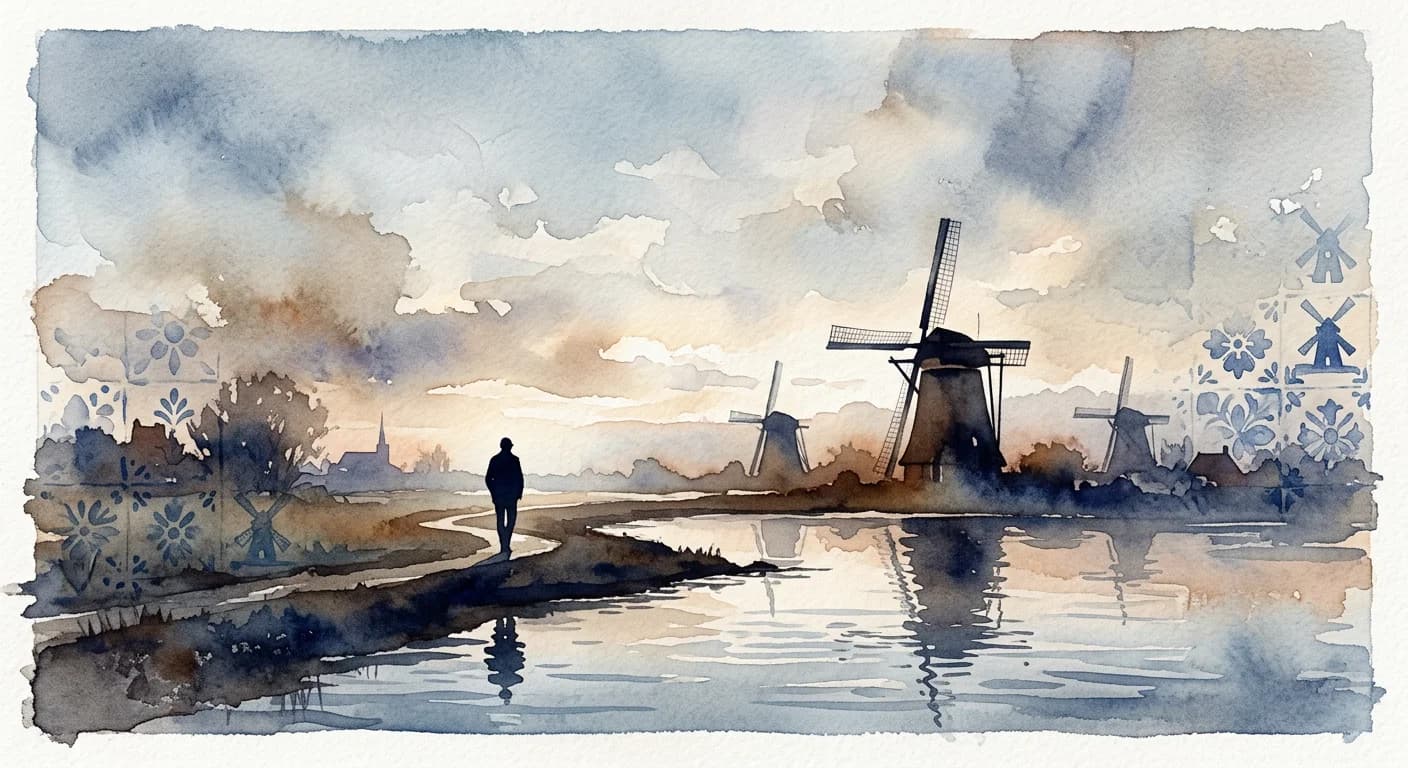
    Artistic representation of Eergevoel
    Dutch•
    🇧🇪Belgium🇳🇱Netherlands

    Eergevoel

    /AIR-khuh-fool/

    Meaning

    Eergevoel transcends mere pride; it is a meticulously cultivated inner compass, guiding individuals to act with unwavering integrity and dignity, whether in the public eye or in solitude. It embodies a profound commitment to ethical conduct and upholding one's reputation, not just for personal gain, but for the respect it garners within one's family and community. This deep-seated sense makes one acutely sensitive to any perceived affronts or actions that could tarnish their good name, driving a continuous pursuit of worthiness and honorable living.

    Literal Translation

    Honor feeling

    The Story Behind the Word

    The concept of 'eergevoel' in Dutch culture is deeply rooted in historical values emphasizing community, reliability, and a strong work ethic. In a society built on consensus and mutual respect, maintaining one's 'eer' (honor) was crucial for social standing and trust. It reflects a Protestant work ethic where individual responsibility and a good name were paramount, not just for personal salvation but for societal harmony. This word reveals a cultural emphasis on reputation as a collective asset, where an individual's honor reflects on their family and community. It underscores a society that values integrity and trustworthiness, seeing these as foundational to civil interaction and public life. The nuanced understanding of 'eergevoel' suggests a culture that values understated dignity over overt boasting, where actions speak louder than words in demonstrating one's worth.

    Experience It

    Refusing a Bribe

    A civil servant is offered a substantial bribe to fast-track a permit. Despite personal financial struggles, their 'eergevoel' makes them immediately refuse, knowing that compromising their integrity would be an unbearable stain on their character and profession.

    Admitting an Error

    During a complex project, a team leader realizes they made a critical miscalculation that could lead to delays. Driven by 'eergevoel', they promptly admit their mistake to the team and management, prioritizing transparency and accountability over saving face.

    The Deeper Meaning

    This word encapsulates a worldview where personal integrity is not merely a virtue but a foundational element of self-worth and social cohesion. It suggests a philosophy where true honor is an internal state, cultivated through consistent ethical action, rather than an external validation. 'Eergevoel' emphasizes a moral compass that points towards responsibility, respect, and a commitment to upholding a higher standard of conduct for the greater good.

    Did You Know?

    Historically, a perceived insult to one's 'eergevoel' could sometimes lead to duels in certain European aristocratic circles, highlighting its profound importance beyond mere personal feelings.

    How It's Used

    Used to describe a person's strong sense of honor, integrity, and the importance of maintaining a good reputation.

    Emotions
    belonging,comfort,gratitude
    Contexts
    family,social interaction,work
    🇧🇪Belgium🇳🇱Netherlands

    by Annelise Dubois·Written Mar 14, 2026·Updated Apr 3, 2026

    Related Words

    Explore more
    HyggeDanish

    Hygge is more than mere coziness; it's a holistic embrace of comfort, warmth, and belonging that nourishes the soul. It describes the intentional creation of an intimate atmosphere where simple pleasures, genuine connection, and mindful presence converge, fostering a profound sense of contentment and well-being. It's about finding joy and peace in the small, everyday moments, often shared with loved ones.

    SaudadePortuguese

    Saudade encapsulates a profound, melancholic longing for something or someone cherished that is absent, often with the bittersweet knowledge that it may never return. It's a deep emotional state tinged with nostalgia, evoking a sense of loss for past experiences, places, or people, yet also holding a tender appreciation for the beauty of what once was. This yearning is not merely sadness, but a complex tapestry of desire, memory, and a poignant acceptance of absence, holding the beloved in a warm, persistent embrace within the heart.

    GezelligDutch

    Gezellig encapsulates a profound sense of warmth, belonging, and convivial comfort, extending beyond mere coziness to embrace the social and emotional atmosphere. It's the feeling of being truly at ease, surrounded by good company, laughter, and a shared sense of contentment. This untranslatable term describes not just a physical space, but a holistic experience where time seems to slow down, fostering genuine connection and a deep sense of well-being.

    Dolce far nienteItalian

    Dolce far niente captures the profound joy and effortless pleasure derived from simply existing without obligation or purpose. It's the art of savoring moments of pure, unadulterated idleness – lying in the sun, watching the clouds drift, or enjoying a leisurely coffee – not as a break from work, but as a valuable state in itself. This 'sweetness of doing nothing' is a conscious embrace of stillness and contentment, allowing the soul to breathe and the senses to fully engage with the present.