U.
HomeRegionsLanguagesEmotionsCollections
Find Your Word

“The limits of my language mean the limits of my world.”

— Ludwig Wittgenstein, Philosopher

Untranslatable

A curated collection of the world's most beautiful expressions—words that remind us language is humanity's greatest invention.

  • Home
  • Collections
  • Regions
  • Countries
  • Emotions
  • Tags
  • Contexts
  • Finder
  • Europe
  • Asia
  • Americas
  • Africa
  • Middle East
  • About
  • Contact
  • Privacy Policy
  • Terms of Service

2026 © Untranslatable. All rights reserved.

    /
    /
    1. Home
    2. /
    3. Europe
    4. /
    5. Dooddoener
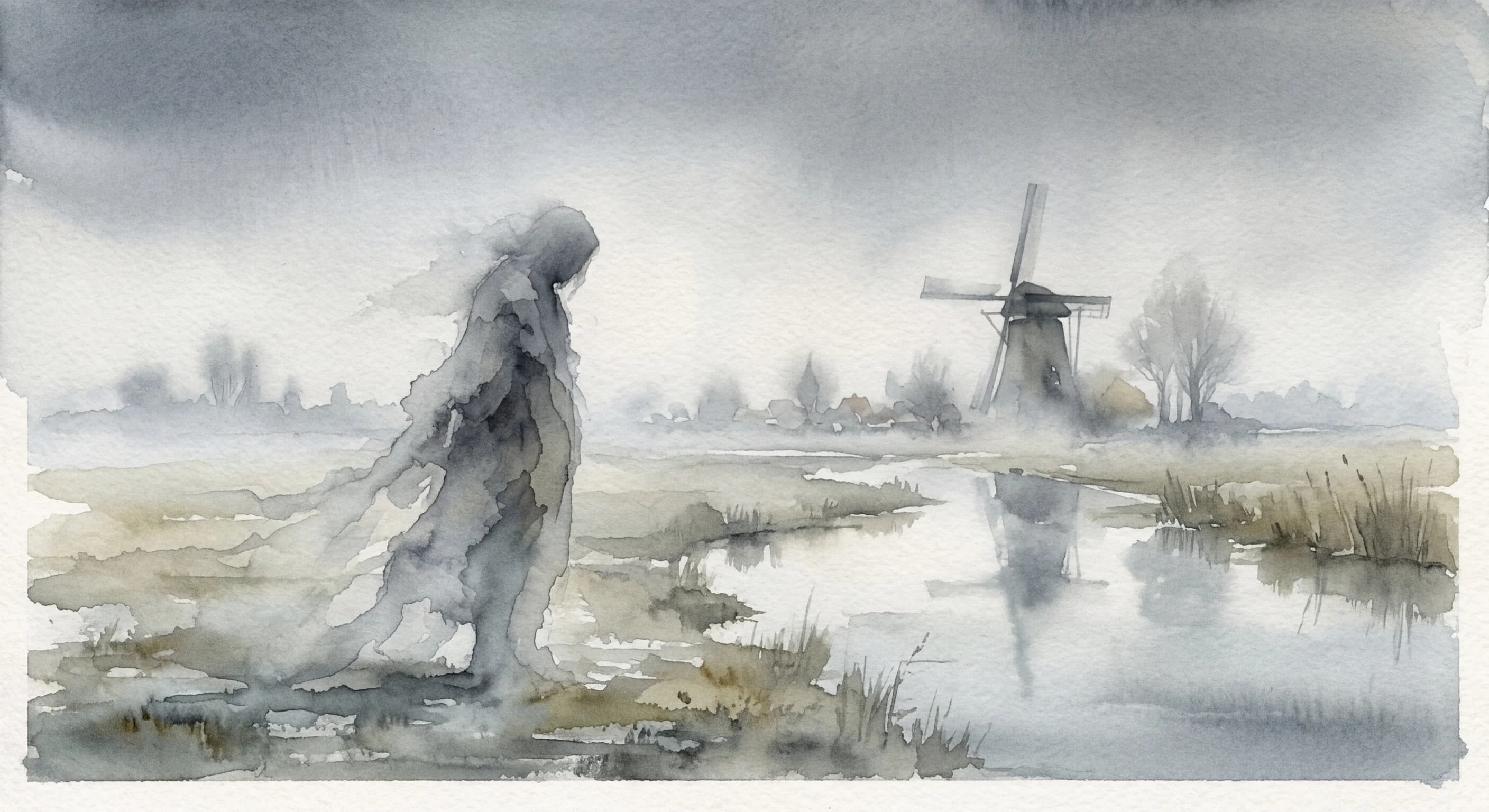
    Artistic representation of Dooddoener
    Dutch•
    🇳🇱Netherlands

    Dooddoener

    /DOHD-doh-ner/

    Meaning

    A "dooddoener" is more than just boring; it's a vitality-sapping entity, a conversation killer that actively drains the joy and energy from any situation. It's the person whose predictable, uninspired comments flatten a lively discussion, or the activity so mind-numbingly dull it feels like a slow descent into ennui. This term captures the particular irritation of encountering something that doesn't just lack excitement, but actively diminishes enthusiasm, leaving a wake of mild exasperation and a palpable desire for escape.

    Literal Translation

    Death-doer

    The Story Behind the Word

    The existence of "dooddoener" in the Dutch lexicon speaks volumes about a culture that values efficiency, directness, and a certain pragmatic approach to life and leisure. While often seen as reserved, the Dutch also appreciate gezelligheid (coziness/conviviality), and anything that actively undermines this collective enjoyment is met with a specific, direct term. It reflects a low tolerance for unnecessary tediousness or pomp, and a preference for authentic engagement over superficial pleasantries. The word reveals a keen awareness of how shared experiences can be either enhanced or utterly ruined by individual contributions or the nature of an activity itself, highlighting a collective desire to avoid wasted time and emotional energy on things that don't genuinely stimulate or connect.

    Experience It

    The Endless PowerPoint

    During the Monday morning meeting, the manager started his usual hour-long presentation, rehashing old data with monotone voice. Halfway through, Jan leaned over to a colleague and whispered, 'This whole meeting is such a dooddoener; I can feel my brain cells dying.'

    Predictable Party Guest

    At Sarah's birthday party, Uncle Piet cornered guests with his well-worn stories about his stamp collection. After he left, Sarah sighed, 'Piet is really a dooddoener; he always manages to kill the vibe with his same old tales.'

    The Deeper Meaning

    The word "dooddoener" reflects a cultural philosophy that values present moment engagement and the quality of shared experience. It critiques anything that hinders authentic connection or genuine enjoyment, subtly advocating for mindful participation and a critical assessment of what truly enriches life versus what merely consumes time without offering value. It underscores a desire for vitality and purpose, even in everyday interactions.

    Did You Know?

    The literal translation 'death-doer' gives the word a dramatic flair, suggesting an almost active, malevolent force behind the boredom, rather than mere passivity.

    How It's Used

    Used colloquially to describe people, activities, or topics that are considered extremely dull, boring, or mood-killing.

    Emotions
    anger,melancholy
    Contexts
    conversation,social interaction
    🇳🇱Netherlands

    by Sofia Rossi·Written Mar 10, 2026·Updated Apr 3, 2026

    Related Words

    Explore more
    HyggeDanish

    Hygge is more than mere coziness; it's a holistic embrace of comfort, warmth, and belonging that nourishes the soul. It describes the intentional creation of an intimate atmosphere where simple pleasures, genuine connection, and mindful presence converge, fostering a profound sense of contentment and well-being. It's about finding joy and peace in the small, everyday moments, often shared with loved ones.

    SaudadePortuguese

    Saudade encapsulates a profound, melancholic longing for something or someone cherished that is absent, often with the bittersweet knowledge that it may never return. It's a deep emotional state tinged with nostalgia, evoking a sense of loss for past experiences, places, or people, yet also holding a tender appreciation for the beauty of what once was. This yearning is not merely sadness, but a complex tapestry of desire, memory, and a poignant acceptance of absence, holding the beloved in a warm, persistent embrace within the heart.

    GezelligDutch

    Gezellig encapsulates a profound sense of warmth, belonging, and convivial comfort, extending beyond mere coziness to embrace the social and emotional atmosphere. It's the feeling of being truly at ease, surrounded by good company, laughter, and a shared sense of contentment. This untranslatable term describes not just a physical space, but a holistic experience where time seems to slow down, fostering genuine connection and a deep sense of well-being.

    Dolce far nienteItalian

    Dolce far niente captures the profound joy and effortless pleasure derived from simply existing without obligation or purpose. It's the art of savoring moments of pure, unadulterated idleness – lying in the sun, watching the clouds drift, or enjoying a leisurely coffee – not as a break from work, but as a valuable state in itself. This 'sweetness of doing nothing' is a conscious embrace of stillness and contentment, allowing the soul to breathe and the senses to fully engage with the present.