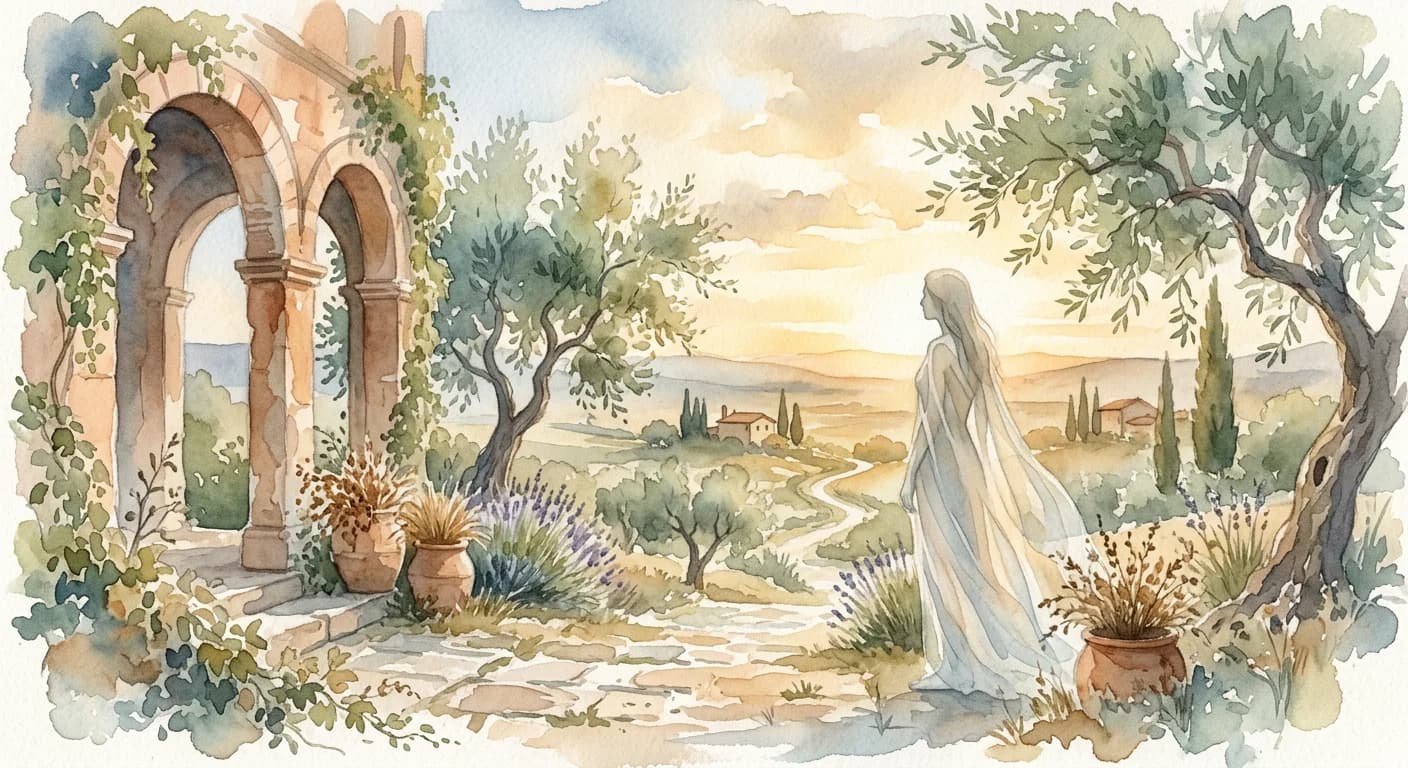
Acedia
/uh-SEE-dee-uh/
Meaning
Acedia is a profound spiritual and existential lassitude, a despondency that gnaws at the soul, rendering one indifferent to spiritual duties, worldly responsibilities, and even personal well-being. It's a deep-seated mental sluggishness, an apathy that drains life of its purpose and vigor, leaving an individual adrift in a sea of listlessness. Far beyond mere laziness, acedia signifies a paralysis of the will, a disengagement from the very essence of existence, often manifesting as a profound spiritual weariness that feels inescapable.
Literal Translation
without care
The Story Behind the Word
Originating in early Christian monasticism, 'acedia' was a cardinal sin, particularly for hermits and monks. It described the 'noonday demon' that tempted ascetics to abandon their spiritual discipline, leading to boredom, restlessness, and a desire to flee their solitude. This concept reveals a culture deeply concerned with spiritual fortitude and the inner life, where the greatest battles were often fought within the soul. The existence of 'acedia' highlights a philosophical understanding that true well-being isn't just physical or material, but profoundly spiritual, and that neglecting this spiritual dimension leads to a distinct form of suffering. It reflects a society that recognized the psychological toll of spiritual struggle and the insidious nature of apathy.
Experience It
The Monk's Despair
Brother Thomas sat in his cell, the sacred texts lying unread beside him. The chanting of vespers drifted in, but he felt no call to join, only a heavy indifference. Acedia had settled upon him, making every prayer feel hollow, every duty a pointless burden, and his once fervent faith now seemed a distant, meaningless echo.
Modern Existential Drifter
Despite a comfortable life, Anna found herself increasingly detached. Her once-loved hobbies lay untouched, her career felt meaningless, and even her relationships seemed to lose their color. It wasn't sadness, but a pervasive, dull lack of care, an acedia that made engaging with the world feel like an insurmountable effort.
The Deeper Meaning
Acedia reveals a worldview that places immense value on internal disposition and spiritual engagement. It suggests that a profound lack of inner care or purpose can be as destructive, if not more so, than external transgressions. The concept underscores the idea that human flourishing requires active participation in one's own spiritual and moral development, and that apathy towards this inner life constitutes a serious failing that leads to existential emptiness.
Did You Know?
Historically, acedia was considered one of the eight principal vices, later folded into the 'seven deadly sins' as sloth, but its original meaning was far more complex and spiritually debilitating.
How It's Used
Historically used in religious and philosophical contexts to describe a spiritual ailment of apathy and despondency, particularly among monks and ascetics. It can also refer to a general state of listlessness and lack of engagement with life.