Huis-, tuin- en keuken...
/HOYS TOO-ahn en KUY-kuhn/
Meaning
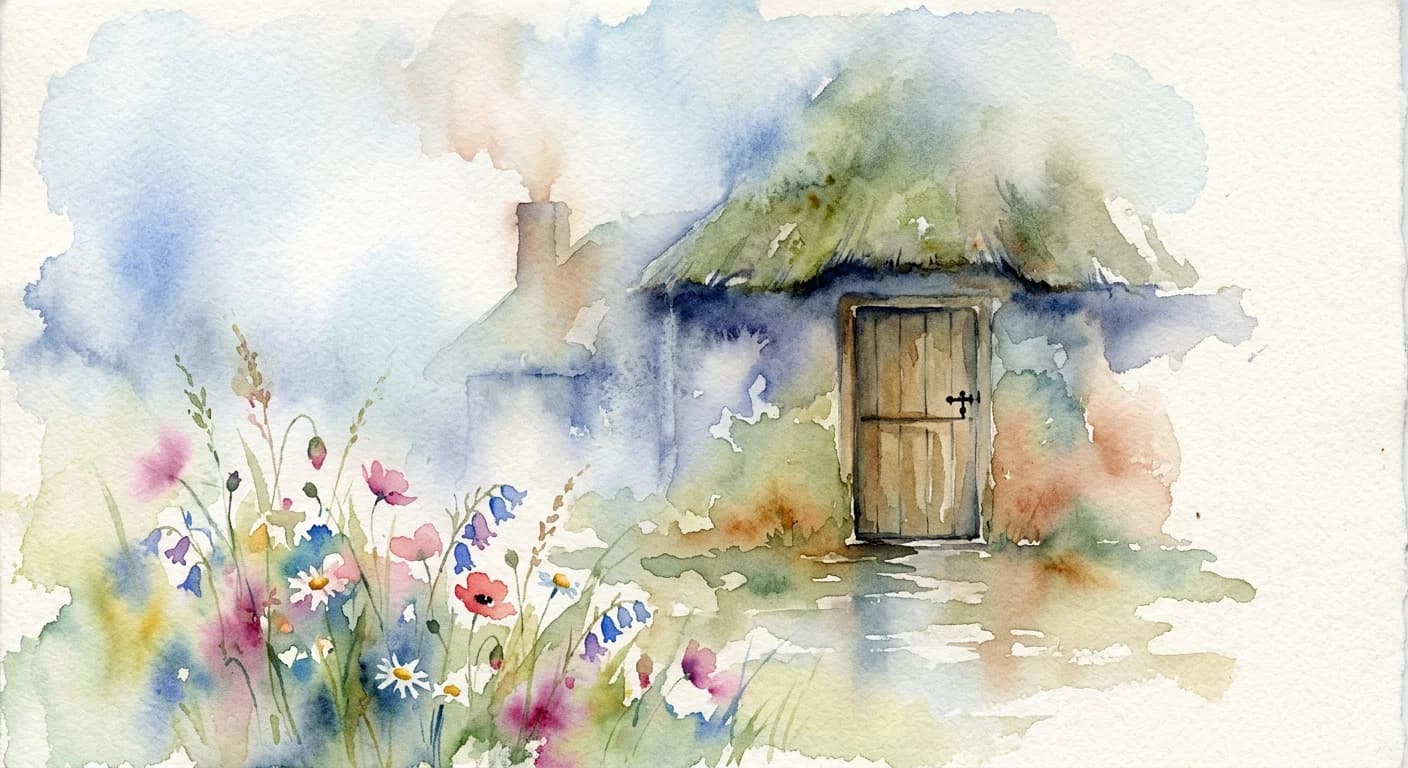
This quintessentially Dutch phrase paints a picture of the immediate domestic sphere, encompassing the 'huis' (house) as the core dwelling, the 'tuin' (garden) as its verdant extension, and the 'keuken' (kitchen) as the heart of sustenance and daily routine. It's a prefix that grounds concepts in the familiar, labelling them as common, unpretentious, and utterly ordinary, contrasting sharply with anything specialized, exotic, or extraordinary. It evokes the comfort and predictability of everyday life, suggesting something universally understood within a household context.
Literal Translation
House, garden, and kitchen
The Story Behind the Word
The phrase 'huis-, tuin- en keuken...' is deeply rooted in the Dutch cultural emphasis on domesticity, practicality, and a certain grounded modesty. Historically, the Dutch Republic was a society built on trade and civic order, where the home and its immediate surroundings were central to identity and well-being. The garden, even a small one, was often a source of food and beauty, an extension of the living space. The kitchen, of course, was the hub of family life. This phrase reflects a worldview where the 'everyday' is not to be disdained but is rather the foundation of a stable and sensible existence. It subtly critiques pretentiousness, valuing the accessible and functional over the overly academic or esoteric. It reveals a culture that finds value and authenticity in the ordinary, a pragmatic approach to life where common sense and familiar experience hold sway.
Experience It
Everyday Philosophy
During a lively discussion about the meaning of life, Uncle Jan, ever the pragmatist, interjected, 'Ach, dat is toch allemaal huis-, tuin- en keukenfilosofie.' He believed that true wisdom was found not in abstract theories, but in the simple, relatable truths of daily existence and common experience.
Culinary Simplicity
A young chef, eager to impress, presented an elaborate dish with obscure ingredients. Her grandmother, tasting it, remarked kindly, 'Het is lekker, maar ik hou meer van huis-, tuin- en keukenrecepten.' She preferred the comforting, traditional dishes made with simple, familiar ingredients over haute cuisine.
The Deeper Meaning
This phrase encapsulates a deep-seated Dutch pragmatism and a valuing of the ordinary. It suggests that profound truths and genuine utility often reside not in the abstract or exotic, but in the accessible, common-sense realities of daily life. It champions a down-to-earth perspective, implying that what truly matters is often found within the familiar confines of one's immediate world.
Did You Know?
The phrase is so ingrained that it's often used humorously to deflate overly academic or complex discussions, bringing them back down to earth with a touch of Dutch directness.
How It's Used
Used as a prefix to describe everyday, common, or ordinary things. For example, 'huis-, tuin- en keukenprinses' (a princess of the house, garden, and kitchen) refers to someone who is skilled in domestic affairs.