U.
HomeRegionsLanguagesEmotionsCollections
Find Your Word

“The limits of my language mean the limits of my world.”

— Ludwig Wittgenstein, Philosopher

Untranslatable

A curated collection of the world's most beautiful expressions—words that remind us language is humanity's greatest invention.

  • Home
  • Collections
  • Regions
  • Countries
  • Emotions
  • Tags
  • Contexts
  • Finder
  • Europe
  • Asia
  • Americas
  • Africa
  • Middle East
  • About
  • Contact
  • Privacy Policy
  • Terms of Service

2026 © Untranslatable. All rights reserved.

    /
    /
    1. Home
    2. /
    3. Europe
    4. /
    5. Magari
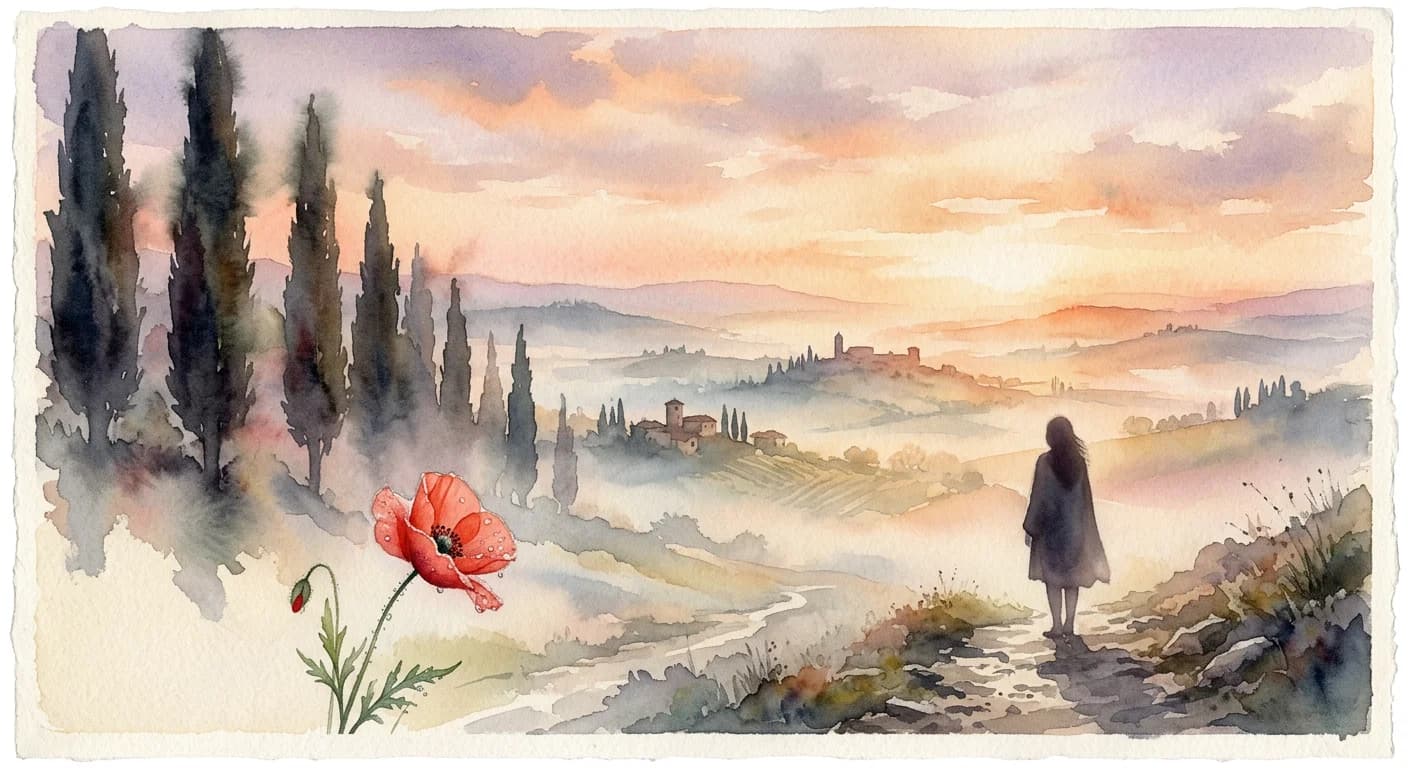
    Artistic representation of Magari
    Italian•
    🇮🇹Italy

    Magari

    /MAH-gah-ree/

    Meaning

    Magari encapsulates a profound sense of yearning and hopeful aspiration, often for something that feels just beyond reach or improbable. It transcends a simple 'I wish,' carrying a wistful, almost melancholic tone that acknowledges the slim chances of fulfillment while still fervently desiring a different reality. This word beautifully captures the human spirit's persistent dream for better circumstances, a whispered hope for an outcome that defies current logic, holding onto the fervent possibility of its realization despite the odds.

    Literal Translation

    Perhaps, maybe, if only

    The Story Behind the Word

    The existence of 'magari' in Italian culture speaks volumes about a people who embrace both passionate hope and a pragmatic understanding of life's uncertainties. Italy, a land of deep historical layers and often dramatic socio-political shifts, has fostered a worldview where dreams are cherished but tempered by reality. 'Magari' reflects a resilience in the face of adversity, an ability to envision a brighter future even when present circumstances are challenging. It's an expression of the heart, acknowledging desire without succumbing to naive optimism, revealing a culture that values emotional depth and the poetic articulation of human longing. This word is woven into the fabric of daily conversation, embodying a collective sentiment of wishing for the ideal while navigating the real.

    Experience It

    Dreaming of Vacation

    One cold, rainy morning, Anna sighs, looking out the window. Her friend asks, 'Are you going to the beach this summer?' Anna replies, 'Magari! I'd love to, but I'm not sure I'll have the time or money.'

    A Desired Outcome

    After a grueling job interview, Marco anxiously waits for a call. His roommate asks if he thinks he got the position. Marco shrugs, a hopeful glint in his eye, 'Magari! It would be a dream come true.'

    The Deeper Meaning

    The word 'magari' offers a window into a philosophical stance that holds optimism and realism in delicate balance. It acknowledges the power of desire and the human tendency to hope, yet it is grounded in an awareness of life's capricious nature. This dual perspective allows for dreaming without delusion, embracing the possibility of joy while being prepared for the potential of disappointment, a nuanced approach to confronting an uncertain future.

    Did You Know?

    The word 'magari' likely derives from the Greek 'makárie,' meaning 'blessed' or 'happy,' suggesting its ancient roots in expressing fervent wishes for good fortune.

    How It's Used

    Used to express a strong wish or hope for something, often with a sense of it being unlikely or difficult to achieve.

    Emotions
    hope,longing,melancholy,nostalgia
    Contexts
    romance,seasons,solitude,travel
    🇮🇹Italy

    by Annelise Dubois·Written Mar 14, 2026·Updated Apr 3, 2026

    Related Words

    Explore more
    HyggeDanish

    Hygge is more than mere coziness; it's a holistic embrace of comfort, warmth, and belonging that nourishes the soul. It describes the intentional creation of an intimate atmosphere where simple pleasures, genuine connection, and mindful presence converge, fostering a profound sense of contentment and well-being. It's about finding joy and peace in the small, everyday moments, often shared with loved ones.

    SaudadePortuguese

    Saudade encapsulates a profound, melancholic longing for something or someone cherished that is absent, often with the bittersweet knowledge that it may never return. It's a deep emotional state tinged with nostalgia, evoking a sense of loss for past experiences, places, or people, yet also holding a tender appreciation for the beauty of what once was. This yearning is not merely sadness, but a complex tapestry of desire, memory, and a poignant acceptance of absence, holding the beloved in a warm, persistent embrace within the heart.

    GezelligDutch

    Gezellig encapsulates a profound sense of warmth, belonging, and convivial comfort, extending beyond mere coziness to embrace the social and emotional atmosphere. It's the feeling of being truly at ease, surrounded by good company, laughter, and a shared sense of contentment. This untranslatable term describes not just a physical space, but a holistic experience where time seems to slow down, fostering genuine connection and a deep sense of well-being.

    Dolce far nienteItalian

    Dolce far niente captures the profound joy and effortless pleasure derived from simply existing without obligation or purpose. It's the art of savoring moments of pure, unadulterated idleness – lying in the sun, watching the clouds drift, or enjoying a leisurely coffee – not as a break from work, but as a valuable state in itself. This 'sweetness of doing nothing' is a conscious embrace of stillness and contentment, allowing the soul to breathe and the senses to fully engage with the present.