U.
HomeRegionsLanguagesEmotionsCollections
Find Your Word

“The limits of my language mean the limits of my world.”

— Ludwig Wittgenstein, Philosopher

Untranslatable

A curated collection of the world's most beautiful expressions—words that remind us language is humanity's greatest invention.

  • Home
  • Collections
  • Regions
  • Countries
  • Emotions
  • Tags
  • Contexts
  • Finder
  • Europe
  • Asia
  • Americas
  • Africa
  • Middle East
  • About
  • Contact
  • Privacy Policy
  • Terms of Service

2026 © Untranslatable. All rights reserved.

    /
    /
    1. Home
    2. /
    3. Europe
    4. /
    5. Paixão
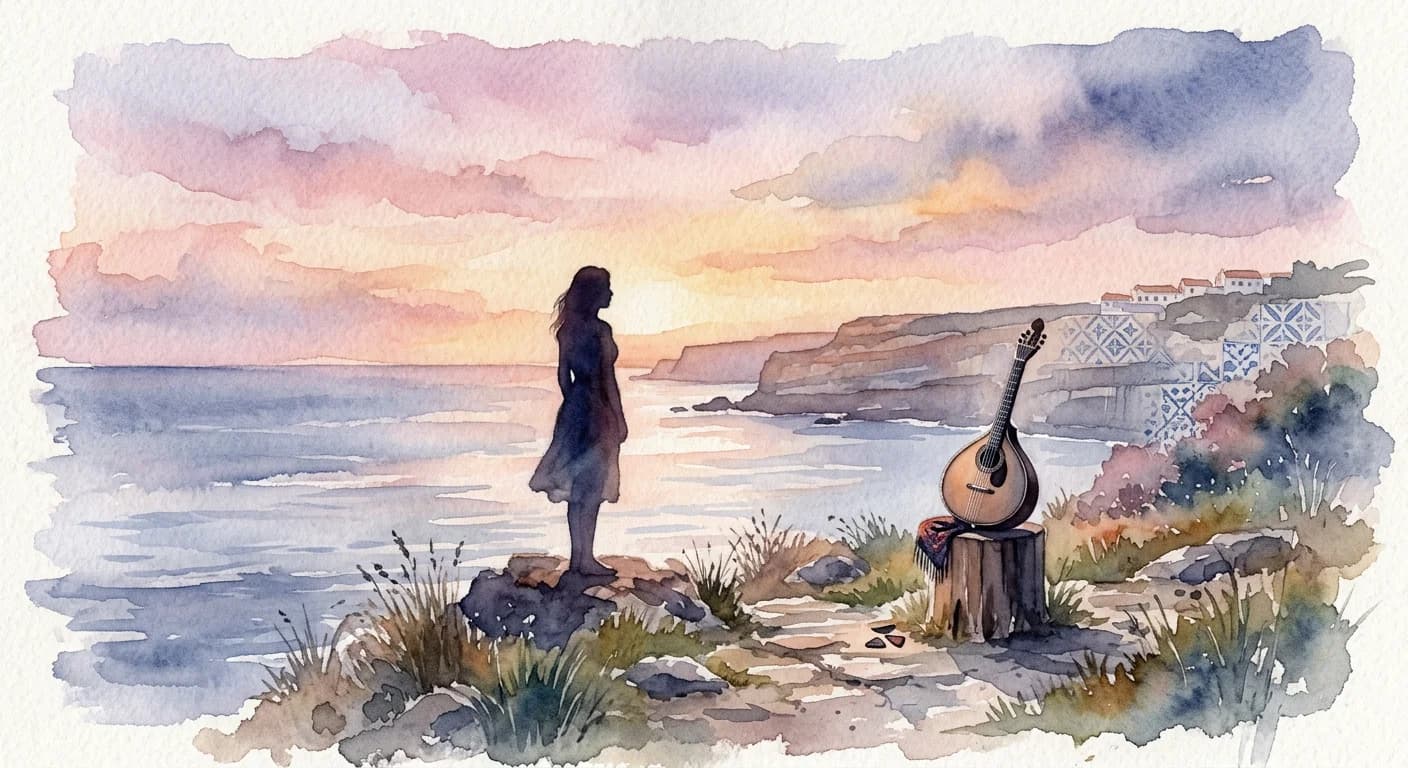
    Artistic representation of Paixão
    Portuguese•
    🇦🇴Angola🇧🇷Brazil🇨🇻Cape Verde🇬🇼Guinea-Bissau🇲🇿Mozambique🇵🇹Portugal🇸🇹São Tomé and Príncipe🇹🇱Timor-Leste

    Paixão

    /pai-SHOWN/

    Meaning

    In Portuguese culture, 'paixão' transcends the English 'passion,' embodying an all-consuming, visceral intensity. It signifies a profound, often overwhelming emotional state, whether directed towards a person, an art form, or a deeply held conviction. This word speaks to a love so potent it borders on obsession, a dedication so absolute it defines one's very existence, igniting the spark for extraordinary acts of creativity, devotion, or even rebellion. It's the fervent, unyielding fire that truly fuels the soul.

    Literal Translation

    Passion

    The Story Behind the Word

    The concept of 'paixão' is deeply woven into the fabric of Portuguese culture, reflecting a worldview that embraces emotional depth and intensity. Rooted in the Latin 'passio' (suffering, enduring), it carries echoes of spiritual devotion and martyrdom, particularly in its historical association with the Passion of Christ. This historical weight imbues 'paixão' with a sense of profound commitment and often, a willingness to suffer for what one loves. It's evident in Fado music, where 'saudade' (a longing for something lost) often intertwines with 'paixão' for a past love or a simpler time, showcasing a culture that doesn't shy away from intense, sometimes melancholic, emotions. The word reveals a people who value heartfelt experience and enduring commitment over fleeting sentiment.

    Experience It

    The Artist's Obsession

    Maria spent countless hours in her studio, brushes flying across the canvas, lost in her art. Her friends often remarked, 'É a sua paixão'—her passion for painting was so intense, it seemed to consume her every waking moment, a beautiful, relentless drive.

    A Love Story

    Even after decades of marriage, João looked at Ana with an undeniable sparkle in his eyes. 'A nossa paixão nunca morreu,' he'd whisper, confirming that their deep, fervent love continued to burn brightly, an enduring force that defined their life together.

    The Deeper Meaning

    'Paixão' reveals a philosophical stance that values the depth and authenticity of feeling above all else. It suggests that true existence is found not in detached observation, but in fully immersing oneself in an experience, accepting both the ecstasy and the potential suffering that such profound commitment entails. It's a testament to the belief that life's richest experiences are those lived with unbridled heart and soul, even if they lead to vulnerability.

    Did You Know?

    The Portuguese word for 'Easter' is 'Páscoa,' but the period leading up to it, commemorating Christ's suffering, is called 'A Paixão de Cristo,' directly linking the word to profound suffering and devotion.

    How It's Used

    Used to describe a strong, often overwhelming feeling of love, desire, or enthusiasm for someone or something. It can refer to romantic love, a deep passion for a hobby or profession, or even a fervent belief in a cause.

    Emotions
    joy,longing,love,warmth
    Contexts
    celebration,romance,work
    🇦🇴Angola🇧🇷Brazil🇨🇻Cape Verde🇬🇼Guinea-Bissau🇲🇿Mozambique🇵🇹Portugal🇸🇹São Tomé and Príncipe🇹🇱Timor-Leste

    by Sofia Rossi·Written Mar 14, 2026·Updated Apr 3, 2026

    Related Words

    Explore more
    HyggeDanish

    Hygge is more than mere coziness; it's a holistic embrace of comfort, warmth, and belonging that nourishes the soul. It describes the intentional creation of an intimate atmosphere where simple pleasures, genuine connection, and mindful presence converge, fostering a profound sense of contentment and well-being. It's about finding joy and peace in the small, everyday moments, often shared with loved ones.

    SaudadePortuguese

    Saudade encapsulates a profound, melancholic longing for something or someone cherished that is absent, often with the bittersweet knowledge that it may never return. It's a deep emotional state tinged with nostalgia, evoking a sense of loss for past experiences, places, or people, yet also holding a tender appreciation for the beauty of what once was. This yearning is not merely sadness, but a complex tapestry of desire, memory, and a poignant acceptance of absence, holding the beloved in a warm, persistent embrace within the heart.

    GezelligDutch

    Gezellig encapsulates a profound sense of warmth, belonging, and convivial comfort, extending beyond mere coziness to embrace the social and emotional atmosphere. It's the feeling of being truly at ease, surrounded by good company, laughter, and a shared sense of contentment. This untranslatable term describes not just a physical space, but a holistic experience where time seems to slow down, fostering genuine connection and a deep sense of well-being.

    Dolce far nienteItalian

    Dolce far niente captures the profound joy and effortless pleasure derived from simply existing without obligation or purpose. It's the art of savoring moments of pure, unadulterated idleness – lying in the sun, watching the clouds drift, or enjoying a leisurely coffee – not as a break from work, but as a valuable state in itself. This 'sweetness of doing nothing' is a conscious embrace of stillness and contentment, allowing the soul to breathe and the senses to fully engage with the present.