U.
HomeRegionsLanguagesEmotionsCollections
Find Your Word

“The limits of my language mean the limits of my world.”

— Ludwig Wittgenstein, Philosopher

Untranslatable

A curated collection of the world's most beautiful expressions—words that remind us language is humanity's greatest invention.

  • Home
  • Collections
  • Regions
  • Countries
  • Emotions
  • Tags
  • Contexts
  • Finder
  • Europe
  • Asia
  • Americas
  • Africa
  • Middle East
  • About
  • Contact
  • Privacy Policy
  • Terms of Service

2026 © Untranslatable. All rights reserved.

    /
    /
    1. Home
    2. /
    3. Europe
    4. /
    5. Selcouth
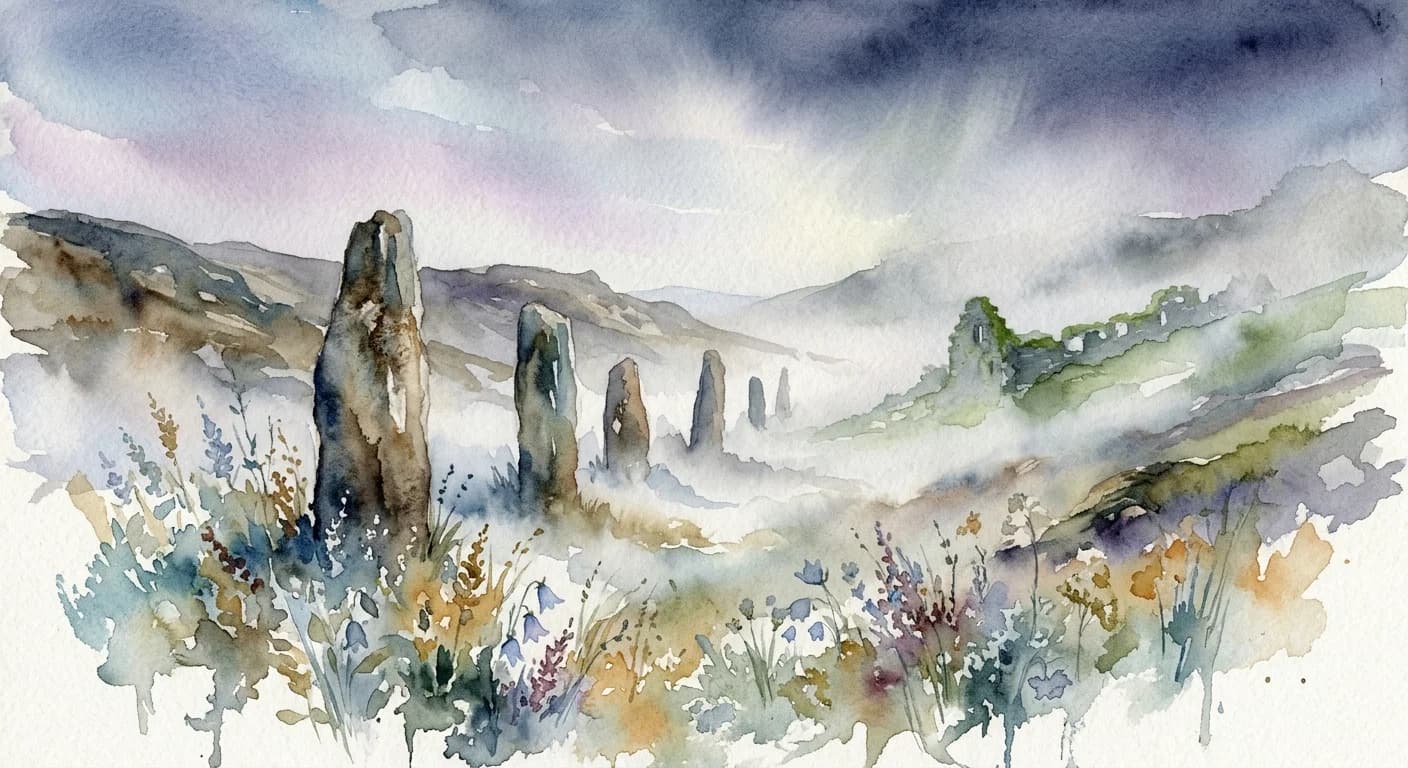
    Artistic representation of Selcouth
    Old English•
    🇬🇧United Kingdom

    Selcouth

    /SEL-kuth/

    Meaning

    Selcouth describes the profound experience of encountering something wondrously strange, a novelty that feels simultaneously ancient or otherworldly. It evokes a potent sense of awe and curiosity towards the unknown, where the unfamiliar doesn't repel but rather beckons with an alluring beauty. This feeling arises when something remarkably rare or previously unheard-of unveils itself, suggesting that the most profound enchantment often lies just beyond the edges of our ordinary perception and understanding.

    Literal Translation

    seld (rarely) + cūth (known)

    The Story Behind the Word

    The existence of 'selcouth' in Old English reflects a worldview deeply intertwined with a sense of wonder and perhaps a touch of apprehension towards the wild, untamed world. Before widespread scientific understanding, unusual phenomena were often attributed to divine, magical, or otherworldly forces. This word embodies the fascination with the 'other' – be it a strange creature from a distant land, an inexplicable natural occurrence, or a captivating tale from beyond the known. It suggests a culture that valued not just the known and familiar, but also found profound significance and beauty in the rare and the mysterious, seeing these as windows into a larger, more complex reality. It speaks to a deep human impulse to categorize the unfamiliar, but with a nuance that embraces its strangeness rather than dismissing it.

    Experience It

    Forest's Ancient Glow

    Deep within the ancient, misty woods, a traveler stumbled upon a grove of trees that shimmered with an ethereal, soft blue light. He had never seen anything like it; the glow was both eerie and breathtakingly beautiful, filling him with a selcouth sense of wonder and enchantment.

    Whispers from Afar

    An old mariner recounted tales of an island where the very air hummed with melodies no human hand had ever played, and flowers bloomed in colors unseen on the mainland. His listeners were captivated, feeling a selcouth pull towards this fantastical, unknown place he described.

    The Deeper Meaning

    Selcouth encapsulates a philosophical stance that finds value and aesthetic appeal in the liminal spaces of existence – between the known and unknown, the mundane and the magical. It suggests that true beauty can reside not just in harmony and familiarity, but also in dissonance and novelty. This word implies a recognition that the universe holds mysteries that can be both unsettling and profoundly enriching, encouraging an open-minded appreciation for the unfamiliar.

    Did You Know?

    Though 'selcouth' is Old English, its poetic charm occasionally saw a revival in later centuries, particularly in literature, as writers sought to capture its unique blend of strangeness and beauty.

    How It's Used

    Used to describe something that is remarkably strange, unfamiliar, or wonderful.

    Emotions
    curiosity,wonder
    Contexts
    daily life,nature
    🇬🇧United Kingdom

    by Annelise Dubois·Written Mar 14, 2026·Updated Apr 3, 2026

    Related Words

    Explore more
    HyggeDanish

    Hygge is more than mere coziness; it's a holistic embrace of comfort, warmth, and belonging that nourishes the soul. It describes the intentional creation of an intimate atmosphere where simple pleasures, genuine connection, and mindful presence converge, fostering a profound sense of contentment and well-being. It's about finding joy and peace in the small, everyday moments, often shared with loved ones.

    SaudadePortuguese

    Saudade encapsulates a profound, melancholic longing for something or someone cherished that is absent, often with the bittersweet knowledge that it may never return. It's a deep emotional state tinged with nostalgia, evoking a sense of loss for past experiences, places, or people, yet also holding a tender appreciation for the beauty of what once was. This yearning is not merely sadness, but a complex tapestry of desire, memory, and a poignant acceptance of absence, holding the beloved in a warm, persistent embrace within the heart.

    GezelligDutch

    Gezellig encapsulates a profound sense of warmth, belonging, and convivial comfort, extending beyond mere coziness to embrace the social and emotional atmosphere. It's the feeling of being truly at ease, surrounded by good company, laughter, and a shared sense of contentment. This untranslatable term describes not just a physical space, but a holistic experience where time seems to slow down, fostering genuine connection and a deep sense of well-being.

    Dolce far nienteItalian

    Dolce far niente captures the profound joy and effortless pleasure derived from simply existing without obligation or purpose. It's the art of savoring moments of pure, unadulterated idleness – lying in the sun, watching the clouds drift, or enjoying a leisurely coffee – not as a break from work, but as a valuable state in itself. This 'sweetness of doing nothing' is a conscious embrace of stillness and contentment, allowing the soul to breathe and the senses to fully engage with the present.