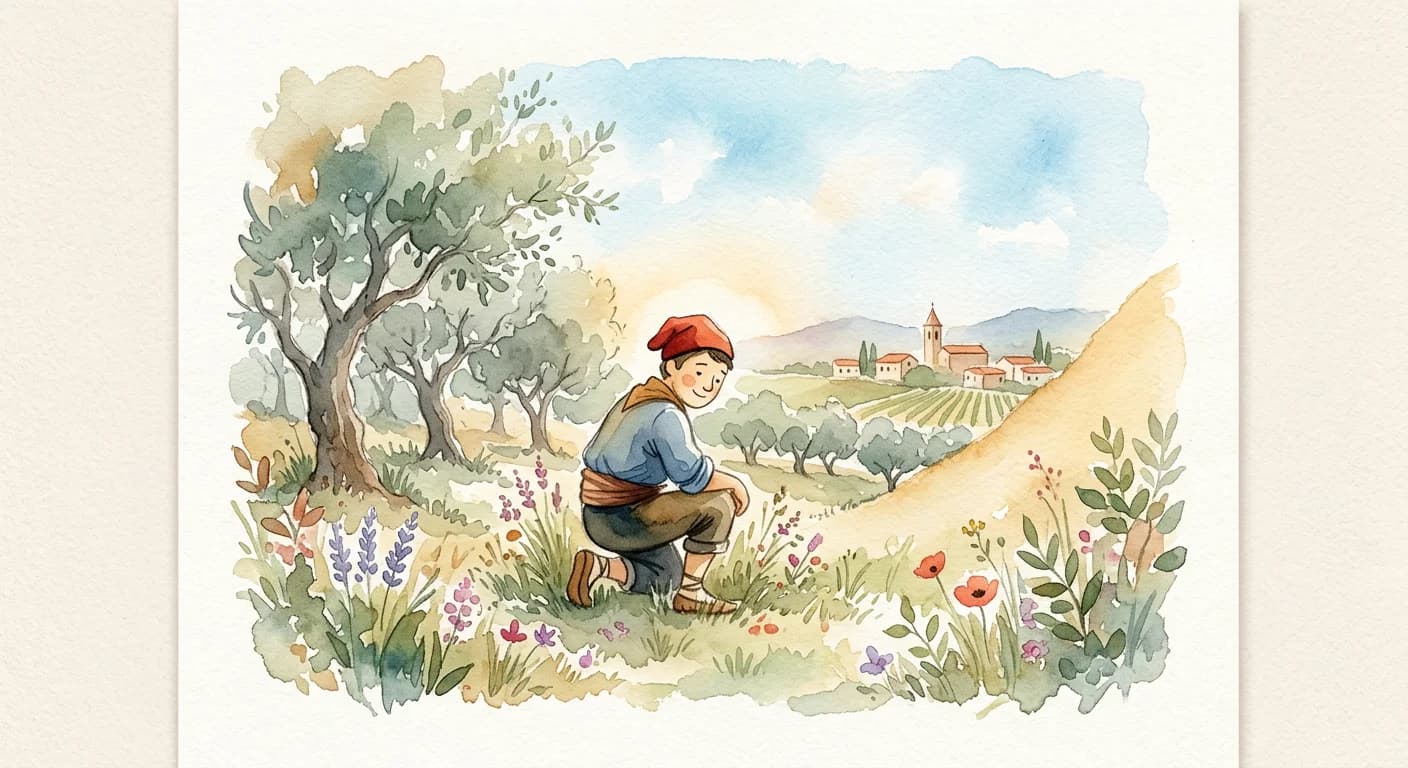
Caganer
/kah-gah-NAIR/
Meaning
The 'Caganer' is an endearing and iconic figurine, traditionally nestled within Catalan Nativity scenes (pessebres). Far from irreverent, this figure, depicted in the act of defecating, embodies a profound connection to the earth, symbolizing fertility, good fortune, and the essential cycle of life and renewal. Its presence injects a vital dose of humor and earthy realism into the sacred narrative, reminding observers that even amidst spiritual reverence, the most fundamental and grounding aspects of human existence are ever-present. This unique tradition celebrates a playful yet deeply rooted acceptance of nature's rhythms.
Literal Translation
Pooper
The Story Behind the Word
The 'Caganer' tradition, dating back at least to the 18th century, is deeply interwoven with Catalan agrarian culture. Its origins lie in a pre-industrial society where human and animal waste was crucial for fertilizing fields, directly linking defecation to the bounty of the harvest and prosperity. The act symbolized the 'fertilization' of the Nativity scene itself, ensuring a prosperous year ahead for the household. Beyond agriculture, the Caganer represents a quintessential aspect of Catalan character: a pragmatic, down-to-earth perspective that embraces humor and rejects excessive solemnity, even in sacred contexts. It underscores a cultural value that finds holiness not just in the ethereal, but also in the mundane, natural, and even scatological, reflecting a holistic view of life where the spiritual and the earthly are inextricably linked.
Experience It
Christmas Morning Discovery
Little Ana's eyes sparkled as she scanned the elaborate pessebre her grandfather had meticulously arranged. 'Where is he?' she whispered, her finger tracing the miniature shepherds and wise men. Suddenly, a giggle escaped her lips – tucked behind a tiny olive tree, there he was, the Caganer, bringing a smile to her face and a promise of good luck for the year.
Explaining to a Visitor
During the festive season, Maria proudly showed her English friend the family's Nativity scene. The friend, initially bewildered by the small, squatting figure, asked, 'What on earth is that?' Maria chuckled, 'Ah, that's our Caganer! He's not rude, he's good luck, fertilizing our fortunes for the new year. It's very Catalan!'
The Deeper Meaning
The Caganer embodies a profound philosophical acceptance of the cyclical nature of life, death, and renewal. It challenges the notion that spirituality must be pristine and detached from human physicality, instead advocating for an integrated worldview where the sacred can be found even in the most basic, earthy acts. It's a humble reminder that all beings, regardless of status, share in the fundamental processes of existence, grounding humanity within the natural world.
Did You Know?
Did you know that modern Caganers are often caricatures of famous politicians, athletes, and celebrities? This playful evolution keeps the tradition fresh while still honoring its earthy roots and symbolic meaning.
How It's Used
The Caganer is a figurine placed in the corner of a Nativity scene (pessebre) during the Christmas season in Catalonia. It is considered good luck to find the Caganer hidden within the scene.