Ouen
/OH-wen/
Meaning
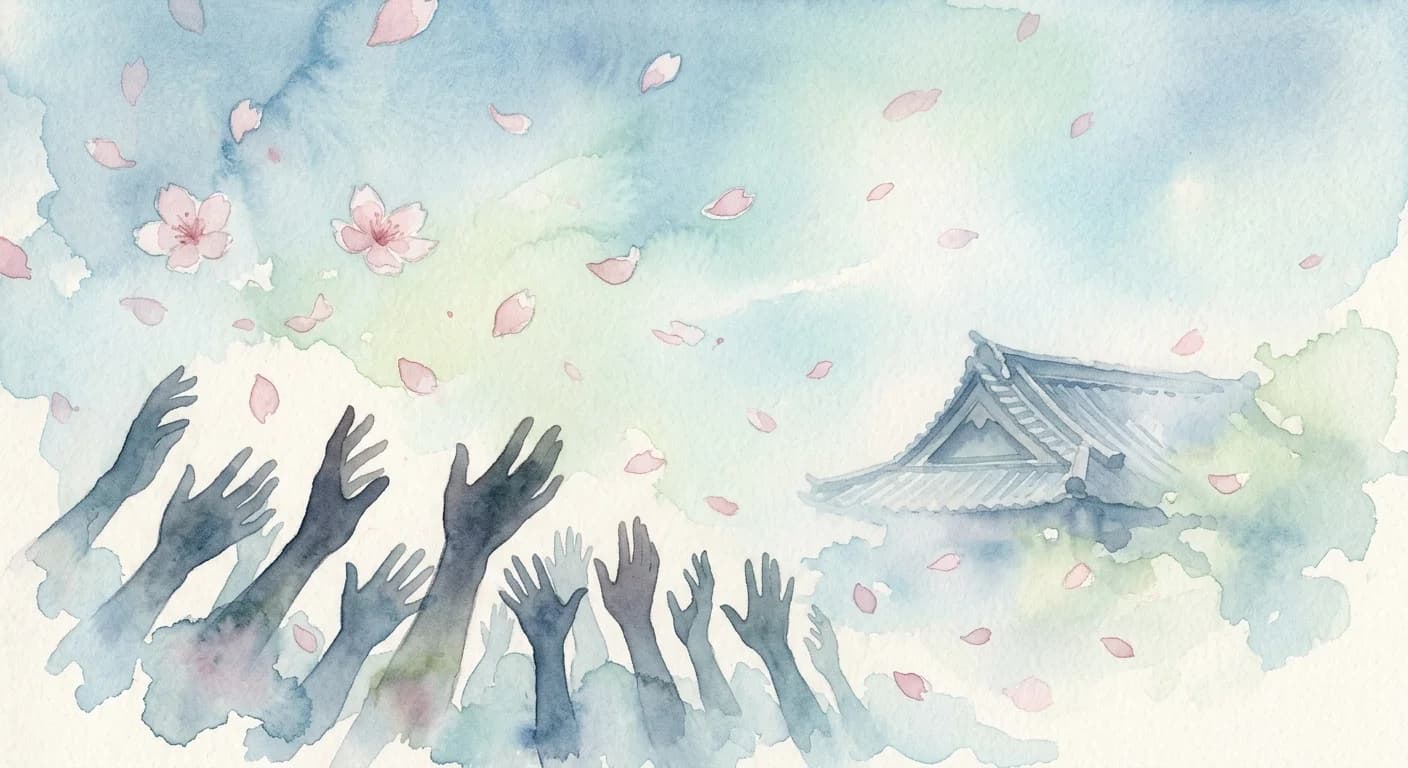
Ouen (応援) is far more than mere support; it's the active, fervent act of willing someone to succeed, often through vocalizations and visible gestures. It embodies a shared emotional investment, where the 'ouensha' (supporter) pours their energy into another's endeavor, be it an athlete striving for victory, a student facing exams, or a friend navigating life's challenges. This communal transfer of spirit aims to uplift, encourage, and empower the recipient, fostering a deep sense of connection and collective effort.
Literal Translation
support, cheering
The Story Behind the Word
The concept of ouen is deeply rooted in Japan's collectivist culture, where group harmony and mutual support are highly valued. Historically, this spirit can be seen in communal farming efforts (yui) or even the unified cries of samurai on the battlefield. It reflects a cultural understanding that individual success is often intertwined with the support of others, and that contributing to someone else's triumph enriches the entire community. Ouen isn't just about celebrating success; it's about actively participating in the journey and sharing the burden and joy, reinforcing bonds within social groups, from sports teams to corporate divisions.
Experience It
High School Baseball Cheers
At the Koshien baseball tournament, thousands of students from a high school brass band and cheer squad meticulously synchronize their 'ouen' for their team. Their powerful, coordinated chants and trumpet blasts fill the stadium, creating an electrifying atmosphere that visibly energizes the players on the field, pushing them to perform beyond their limits.
Friend's Job Interview
Before a crucial job interview, Ken's friends gather to offer him 'ouen.' They don't just say 'good luck'; they send encouraging messages, offer to review his notes, and even cook him a special meal, collectively pouring their positive energy into his success, expressing a genuine desire for him to shine.
What Gets Lost in Translation
English speakers might misunderstand ouen as mere passive support. However, ouen is highly active and often vocal, implying a conscious effort to transfer positive energy and motivation. It's not just wishing someone well; it's actively trying to boost their morale and performance, often through physical presence and participation.
Across Cultures
While English has 'cheering' or 'rooting for,' these often lack the deep, active emotional investment of ouen. German 'Anfeuern' captures some of the spirited encouragement, and Korean 'Hwaiting!' (화이팅!) is a direct loanword from English 'fighting!' but used as an exclamation of 'Go for it!' or 'You can do it!', embodying a similar supportive spirit.
The Deeper Meaning
Ouen reveals a worldview that emphasizes interdependence and the shared nature of effort and success. It suggests that individuals are not isolated entities but are strengthened and uplifted by the collective will and emotional investment of their community. This philosophy underscores the idea that contributing to another's well-being is a fundamental aspect of human connection and societal flourishing.
Did You Know?
During major sporting events like the World Cup, entire Japanese cities can unite in 'ouen,' with public viewing areas erupting in synchronized cheers and applause, showcasing a powerful national unity.
How It's Used
Used to express active support, encouragement, or cheering for someone or a team, often in public performances, sporting events, or during times of hardship.