U.
HomeRegionsLanguagesEmotionsCollections
Find Your Word

“The limits of my language mean the limits of my world.”

— Ludwig Wittgenstein, Philosopher

Untranslatable

A curated collection of the world's most beautiful expressions—words that remind us language is humanity's greatest invention.

  • Home
  • Collections
  • Regions
  • Countries
  • Emotions
  • Tags
  • Contexts
  • Finder
  • Europe
  • Asia
  • Americas
  • Africa
  • Middle East
  • About
  • Contact
  • Privacy Policy
  • Terms of Service

2026 © Untranslatable. All rights reserved.

    /
    /
    1. Home
    2. /
    3. Europe
    4. /
    5. Piropear
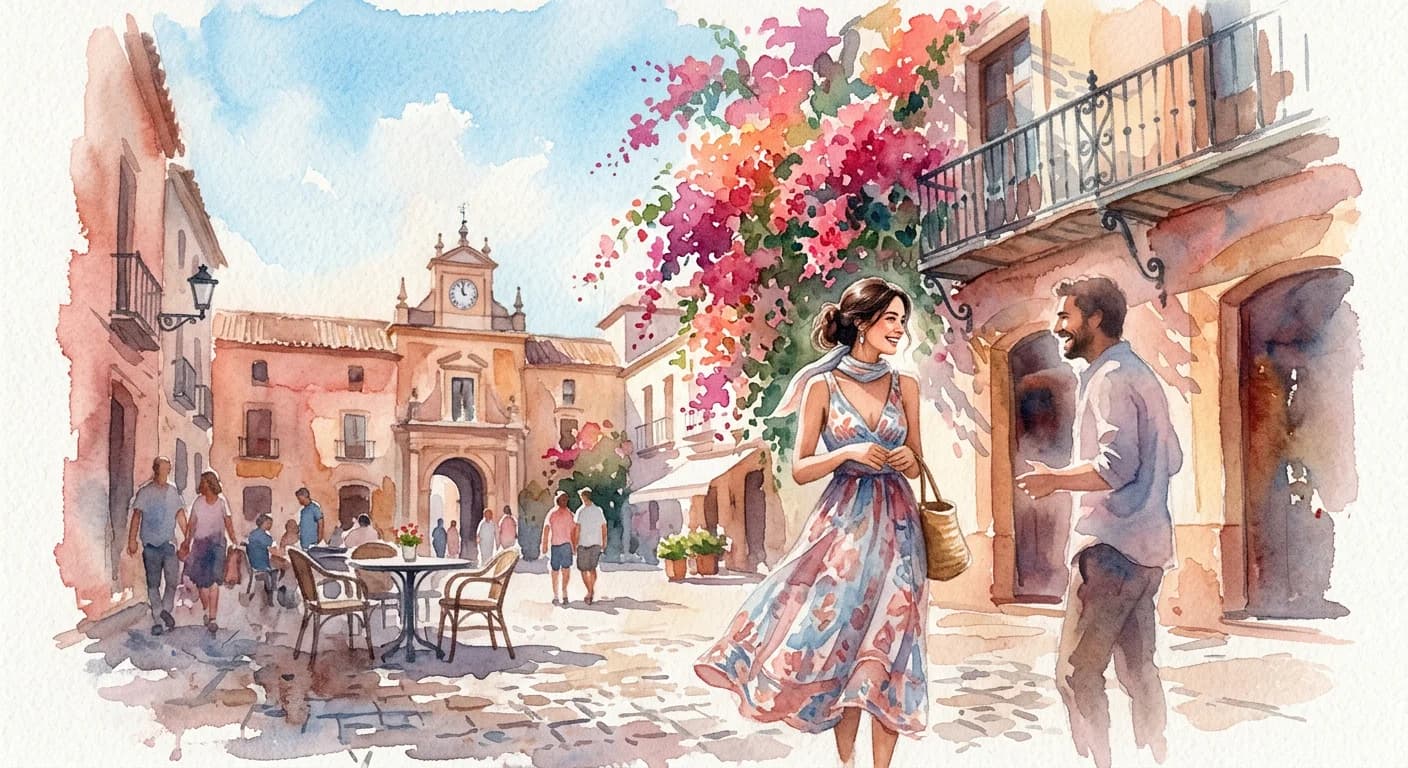
    Artistic representation of Piropear
    Spanish•
    🇦🇷Argentina🇧🇴Bolivia🇨🇱Chile🇨🇴Colombia🇨🇷Costa Rica🇨🇺Cuba🇩🇴Dominican Republic🇪🇨Ecuador🇸🇻El Salvador🇬🇹Guatemala🇭🇳Honduras🇲🇽Mexico🇳🇮Nicaragua🇵🇦Panama🇵🇾Paraguay🇵🇪Peru🇵🇷Puerto Rico🇪🇸Spain🇺🇾Uruguay🇻🇪Venezuela

    Piropear

    /pee-roh-PEH-ar/

    Meaning

    Piropear is the art of delivering a spontaneous, often poetic, and genuinely charming compliment to someone, typically a stranger, in passing. It transcends a mere compliment, becoming a fleeting performance of wit and romantic flair, designed to momentarily brighten a person's day or acknowledge their beauty or presence. Far from being aggressive, it's an expression of admiration, a verbal dance rooted in a culture that values expressive communication and a certain playful boldness in social interactions. It embodies a spontaneous appreciation for beauty and personality encountered in everyday life.

    Literal Translation

    to compliment someone flirtatiously

    The Story Behind the Word

    The practice of 'piropear' is deeply embedded in the romantic and expressive traditions of Spanish-speaking cultures, particularly in Spain. It harks back to an era where courtship was more formalized yet also afforded opportunities for spontaneous declarations of admiration. It reflects a cultural appreciation for verbal dexterity, wit, and a certain theatricality in social interactions. The existence of 'piropear' reveals a societal comfort with public displays of emotion and a valuing of aesthetic appreciation, not just in art, but in human interaction. It's a testament to a culture that often views life with a passionate and romantic lens, where a well-turned phrase can be as impactful as a grand gesture, and where acknowledging beauty in others is seen as a positive, if sometimes cheeky, act.

    Experience It

    The Flower Seller's Charm

    A young woman walks past a bustling flower stall. The vendor, a man in his fifties, catches her eye and, with a warm smile, exclaims, "¡Guapa! Con esa sonrisa, hasta las flores se ponen celosas." (Beautiful! With that smile, even the flowers get jealous.) She blushes, smiles back, and continues on her way, feeling a little lighter.

    A Poetic Passage

    As a man waits at a crosswalk, a woman with striking red hair walks by. He softly murmurs, "¡Qué melena tan bonita, parece fuego en el atardecer!" (What beautiful hair, it looks like fire at sunset!) She glances over, a small, appreciative smile playing on her lips, acknowledging the poetic observation without breaking stride.

    The Deeper Meaning

    Piropear embodies a philosophical stance that values the aesthetic appreciation of life and the human form, and the power of spontaneous verbal expression. It suggests a worldview where beauty, wit, and connection, even fleeting ones, are worth acknowledging and celebrating in the public sphere. It highlights a culture that embraces a certain emotional transparency and finds joy in the art of language as a tool for social adornment and playful interaction.

    Did You Know?

    The word 'piropear' is thought to derive from 'piropo,' which originally referred to a type of ruby or garnet, implying that a compliment is a precious, sparkling gem of words.

    How It's Used

    Used to describe the act of street-flirting with compliments, often done by men towards women, but can also be reciprocal. It's a common, everyday occurrence in many Spanish-speaking cultures, blending a bit of boldness with charm and wit.

    Emotions
    joy,love,warmth,wonder
    Contexts
    celebration,greeting,romance
    🇦🇷Argentina🇧🇴Bolivia🇨🇱Chile🇨🇴Colombia🇨🇷Costa Rica🇨🇺Cuba🇩🇴Dominican Republic🇪🇨Ecuador🇸🇻El Salvador🇬🇹Guatemala🇭🇳Honduras🇲🇽Mexico🇳🇮Nicaragua🇵🇦Panama🇵🇾Paraguay🇵🇪Peru🇵🇷Puerto Rico🇪🇸Spain🇺🇾Uruguay🇻🇪Venezuela

    by Annelise Dubois·Written Mar 14, 2026·Updated Apr 3, 2026

    Related Words

    Explore more
    HyggeDanish

    Hygge is more than mere coziness; it's a holistic embrace of comfort, warmth, and belonging that nourishes the soul. It describes the intentional creation of an intimate atmosphere where simple pleasures, genuine connection, and mindful presence converge, fostering a profound sense of contentment and well-being. It's about finding joy and peace in the small, everyday moments, often shared with loved ones.

    SaudadePortuguese

    Saudade encapsulates a profound, melancholic longing for something or someone cherished that is absent, often with the bittersweet knowledge that it may never return. It's a deep emotional state tinged with nostalgia, evoking a sense of loss for past experiences, places, or people, yet also holding a tender appreciation for the beauty of what once was. This yearning is not merely sadness, but a complex tapestry of desire, memory, and a poignant acceptance of absence, holding the beloved in a warm, persistent embrace within the heart.

    GezelligDutch

    Gezellig encapsulates a profound sense of warmth, belonging, and convivial comfort, extending beyond mere coziness to embrace the social and emotional atmosphere. It's the feeling of being truly at ease, surrounded by good company, laughter, and a shared sense of contentment. This untranslatable term describes not just a physical space, but a holistic experience where time seems to slow down, fostering genuine connection and a deep sense of well-being.

    Dolce far nienteItalian

    Dolce far niente captures the profound joy and effortless pleasure derived from simply existing without obligation or purpose. It's the art of savoring moments of pure, unadulterated idleness – lying in the sun, watching the clouds drift, or enjoying a leisurely coffee – not as a break from work, but as a valuable state in itself. This 'sweetness of doing nothing' is a conscious embrace of stillness and contentment, allowing the soul to breathe and the senses to fully engage with the present.