U.
HomeRegionsLanguagesEmotionsCollections
Find Your Word

“The limits of my language mean the limits of my world.”

— Ludwig Wittgenstein, Philosopher

Untranslatable

A curated collection of the world's most beautiful expressions—words that remind us language is humanity's greatest invention.

  • Home
  • Collections
  • Regions
  • Countries
  • Emotions
  • Tags
  • Contexts
  • Finder
  • Europe
  • Asia
  • Americas
  • Africa
  • Middle East
  • About
  • Contact
  • Privacy Policy
  • Terms of Service

2026 © Untranslatable. All rights reserved.

    /
    /
    1. Home
    2. /
    3. Asia
    4. /
    5. Bakku-shan
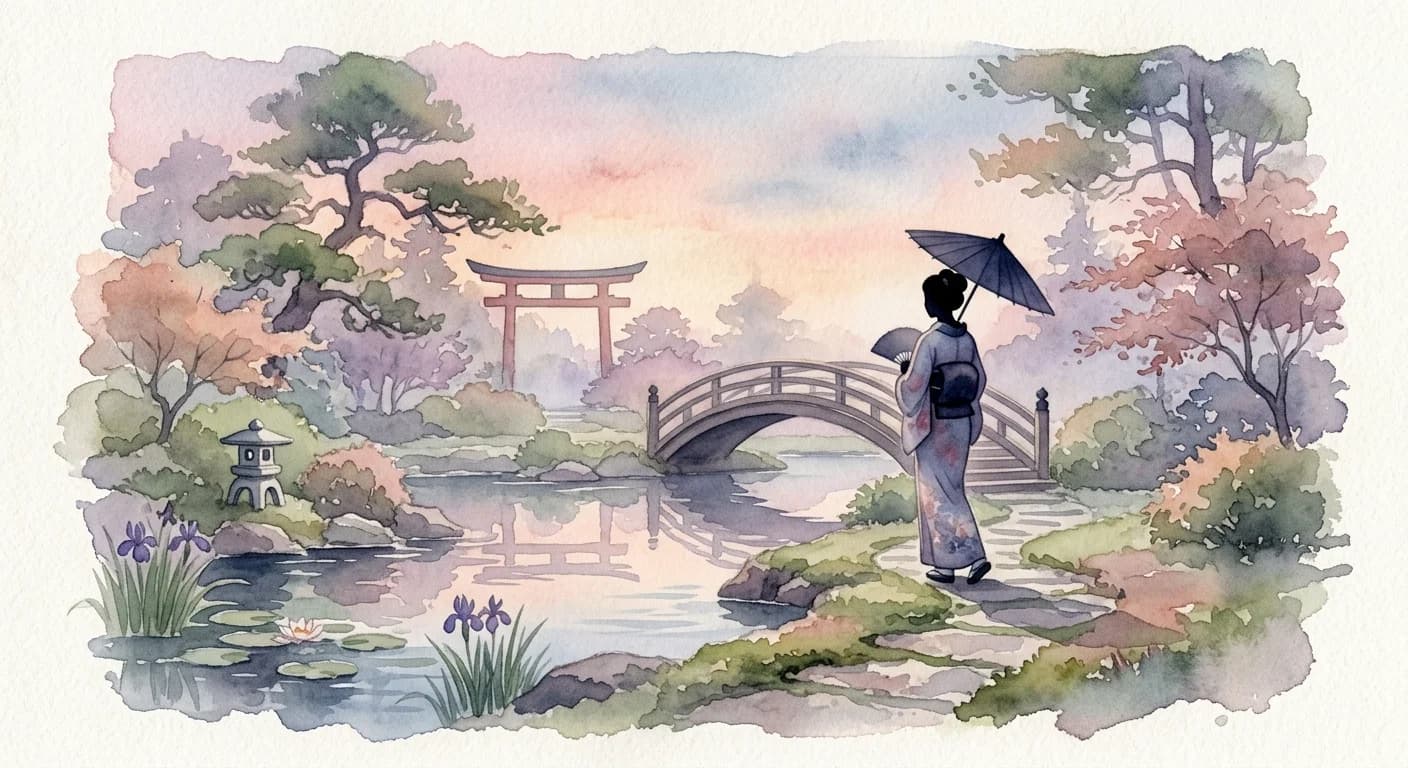
    Artistic representation of Bakku-shan
    Japanese•
    🇯🇵Japan

    Bakku-shan

    /BAHK-koo-shahn/

    Meaning

    Bakku-shan describes the amusing and sometimes slightly disappointing phenomenon where an individual, most often a woman, presents an alluring and attractive figure when viewed from behind, only for this perception to diminish upon seeing their face. It captures the subtle irony of a perfectly proportioned silhouette or elegant gait creating an expectation that isn't quite met when the full frontal view is revealed. This term highlights a playful observation of visual aesthetics, rooted in a culture that appreciates nuanced beauty and finds humor in everyday discrepancies.

    Literal Translation

    Back-face (from 'bakku' meaning back, and 'shan' a colloquial, often onomatopoeic, sound associated with beauty or attractiveness, though not explicitly defined)

    The Story Behind the Word

    The existence of 'Bakku-shan' in Japanese culture speaks to a keen observational aesthetic and a certain level of social commentary, however light-hearted. Japanese aesthetics often emphasize suggestion and implication over explicit display, and the 'bakku-shan' phenomenon plays into this by setting up an expectation based on a partial view. It reflects a society that values harmony and a certain 'ideal' form, yet also possesses a self-aware, sometimes wry, humor about human imperfections. The word likely gained traction in an era where public appearances and perceived beauty held significant social weight, allowing for such specific, yet informal, categorizations of visual assessment. It's not necessarily cruel, but rather a descriptive label for a common, relatable experience.

    Experience It

    Train Platform Reveal

    On a crowded Tokyo platform, Kenji spots a woman with an elegant posture and flowing hair. 'Wow, a real beauty,' he thinks, admiring her from behind. As she turns to board the train, he sees her face and a quiet 'Ah, bakku-shan...' escapes his lips, a private, amused realization.

    Café Window Gaze

    Mai and Hiroshi are people-watching from a café. A person walks by, their stylish outfit and confident stride catching Mai's eye. 'She looks so cool!' Mai exclaims. As the person passes their window, revealing their face, Hiroshi chuckles, 'Definitely a bakku-shan, Mai.'

    The Deeper Meaning

    Bakku-shan subtly critiques the human tendency to project ideals onto incomplete information. It suggests that our initial perceptions, based on limited views, often create a more perfect image in our minds than reality can sustain. This highlights a playful skepticism about superficial judgments and an appreciation for the often humorous gap between expectation and reality in human appearance.

    Did You Know?

    While often applied to women, the concept of bakku-shan can theoretically apply to anyone whose posterior view creates a more favorable impression than their frontal one, though it's less commonly used for men.

    How It's Used

    This term is used informally and often playfully to describe someone's appearance, specifically commenting on the discrepancy between their profile and frontal view. It's more of a descriptive observation than a harsh criticism.

    Emotion
    joy
    Contexts
    daily life,social interaction
    🇯🇵Japan

    by Annelise Dubois·Written Mar 14, 2026·Updated Apr 3, 2026

    Related Words

    Explore more
    Wabi-sabiJapanese

    Wabi-sabi is the profound appreciation for the ephemeral, the imperfect, and the incomplete aspects of existence. It is about discovering beauty in the subtle textures of age, the unique character of flaws, and the gentle decay that marks the passage of time. This philosophy encourages a quiet acceptance of impermanence and a mindful connection to the natural world, finding elegance in simplicity and authenticity.

    IkigaiJapanese

    Ikigai is more than just a reason to get out of bed; it's a deeply personal and evolving sense of purpose that brings genuine fulfillment and joy to one's life. It represents the sweet spot where your passions, talents, needs of the world, and what you can be paid for beautifully converge. Discovering your ikigai often leads to a life lived with intentionality, resilience, and a profound connection to one's contributions. It's the intrinsic motivation that fuels a meaningful existence, regardless of external circumstances.

    NunchiKorean

    Nunchi is the sophisticated, almost telepathic, ability to instantly grasp the unspoken dynamics of any social situation, anticipating others' thoughts and feelings, and then responding with impeccable grace and timing. It's an acute form of social intuition, allowing one to navigate complex interpersonal landscapes by reading subtle cues like body language, tone, and context. Possessing good nunchi means effortlessly understanding the underlying emotional currents and adjusting one's behavior to maintain harmony and effectiveness, often without a single word exchanged.

    JugaadHindi

    Jugaad is more than just a quick fix; it embodies the spirit of resourceful, ingenious improvisation in the face of scarcity or systemic challenges. It's the art of bending rules, repurposing materials, and thinking outside the box to achieve a desired outcome, often with limited financial or technological resources. This approach celebrates clever workarounds and innovative adaptations, turning constraints into catalysts for creative problem-solving. It's about making do and making something work, brilliantly.