U.
HomeRegionsLanguagesEmotionsCollections
Find Your Word

“The limits of my language mean the limits of my world.”

— Ludwig Wittgenstein, Philosopher

Untranslatable

A curated collection of the world's most beautiful expressions—words that remind us language is humanity's greatest invention.

  • Home
  • Collections
  • Regions
  • Countries
  • Emotions
  • Tags
  • Contexts
  • Finder
  • Europe
  • Asia
  • Americas
  • Africa
  • Middle East
  • About
  • Contact
  • Privacy Policy
  • Terms of Service

2026 © Untranslatable. All rights reserved.

    /
    /
    1. Home
    2. /
    3. Europe
    4. /
    5. Bildung
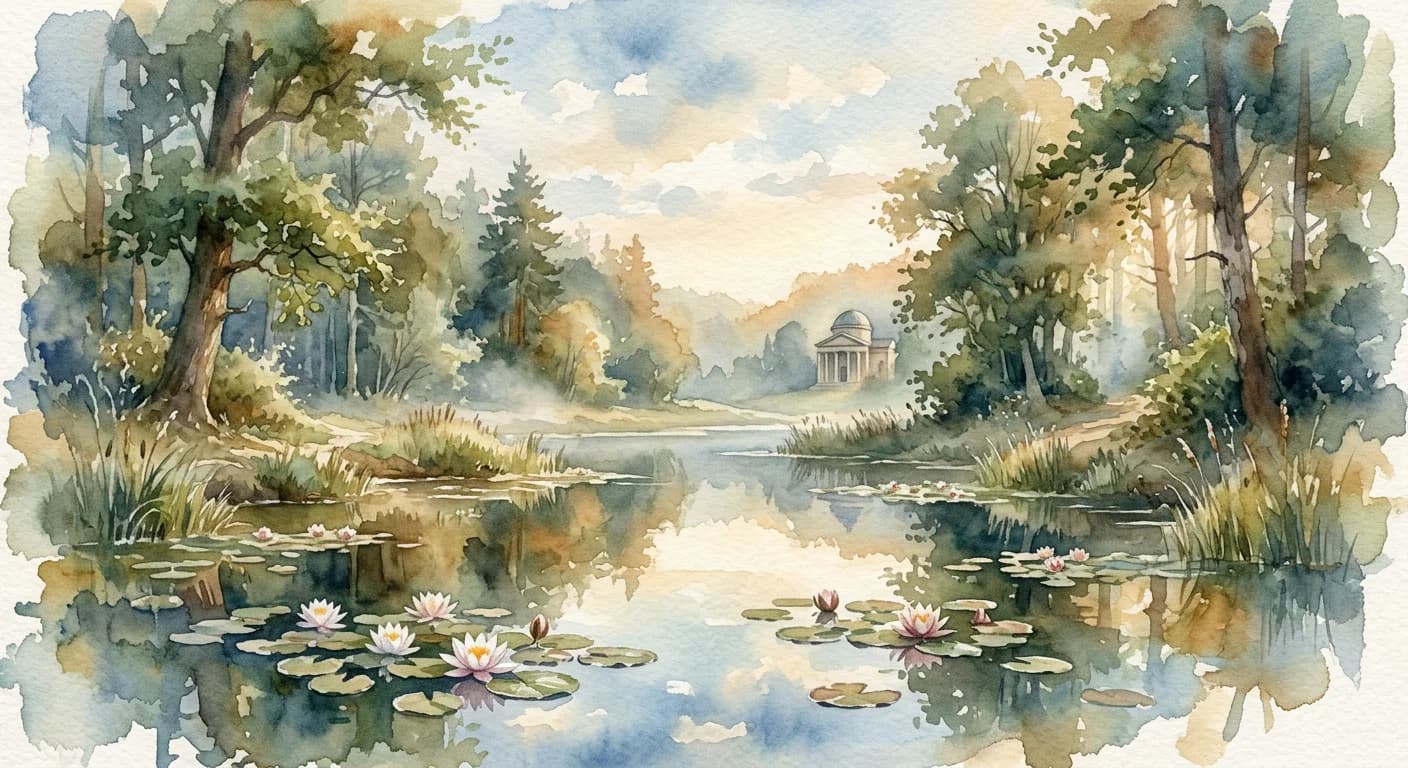
    Artistic representation of Bildung
    German•
    🇦🇹Austria🇩🇪Germany🇨🇭Switzerland

    Bildung

    /BIL-doong/

    Meaning

    Bildung is a profound German concept that transcends mere schooling, encapsulating the holistic cultivation of one's inner self through intellectual, moral, and aesthetic development. It's a lifelong journey of self-formation, where individuals actively engage with knowledge, art, and philosophy to shape their character and critical faculties. This deep personal growth is not just for individual enrichment but also for fostering responsible, well-rounded citizens who can contribute meaningfully to society and culture. It emphasizes a continuous process of 'becoming' rather than a static state of being educated.

    Literal Translation

    education, formation, culture

    The Story Behind the Word

    The concept of Bildung emerged strongly during the German Enlightenment and the era of German Idealism, championed by figures like Wilhelm von Humboldt and Johann Wolfgang von Goethe. It reflects a deep-seated belief within German culture that true education is not about vocational training or rote memorization, but about the development of the whole person – mind, body, and spirit. This word exists because German society historically valued intellectual and moral autonomy, seeing the individual's self-cultivation as essential for both personal fulfillment and the progress of the nation. It reveals a worldview where education is a transformative process, linking individual potential to broader societal and humanistic ideals, and where critical thought and cultural engagement are paramount to a meaningful existence.

    Experience It

    A Professor's Journey

    Professor Schmidt dedicated his life not just to teaching history, but to a continuous process of Bildung. He traveled extensively, immersed himself in different cultures, and constantly challenged his own perspectives, believing true understanding came from broadening his inner world.

    Youthful Self-Discovery

    After finishing school, young Lena embarked on a 'gap year' not just for travel, but for Bildung. She read great literature, learned a new instrument, and engaged in deep philosophical discussions, seeking to shape her character and worldview before university.

    The Deeper Meaning

    Bildung embodies a humanist philosophy, asserting that human potential is realized through active self-cultivation and engagement with culture. It suggests that individuals are not born complete, but are continually shaped by experience, reflection, and learning, striving towards an ideal of enlightened personhood. This reveals a worldview where personal development is inherently linked to moral responsibility and contribution to the collective human project.

    Did You Know?

    The German word 'Bild' means 'picture' or 'image,' hinting at Bildung as the process of 'forming' or 'shaping' one's inner and outer self.

    How It's Used

    Used to describe the process of personal and intellectual development, often associated with education, the arts, and humanities.

    Contexts
    education,personal growth,work
    🇦🇹Austria🇩🇪Germany🇨🇭Switzerland

    by Annelise Dubois·Written Mar 14, 2026·Updated Apr 3, 2026

    Related Words

    Explore more
    HyggeDanish

    Hygge is more than mere coziness; it's a holistic embrace of comfort, warmth, and belonging that nourishes the soul. It describes the intentional creation of an intimate atmosphere where simple pleasures, genuine connection, and mindful presence converge, fostering a profound sense of contentment and well-being. It's about finding joy and peace in the small, everyday moments, often shared with loved ones.

    SaudadePortuguese

    Saudade encapsulates a profound, melancholic longing for something or someone cherished that is absent, often with the bittersweet knowledge that it may never return. It's a deep emotional state tinged with nostalgia, evoking a sense of loss for past experiences, places, or people, yet also holding a tender appreciation for the beauty of what once was. This yearning is not merely sadness, but a complex tapestry of desire, memory, and a poignant acceptance of absence, holding the beloved in a warm, persistent embrace within the heart.

    GezelligDutch

    Gezellig encapsulates a profound sense of warmth, belonging, and convivial comfort, extending beyond mere coziness to embrace the social and emotional atmosphere. It's the feeling of being truly at ease, surrounded by good company, laughter, and a shared sense of contentment. This untranslatable term describes not just a physical space, but a holistic experience where time seems to slow down, fostering genuine connection and a deep sense of well-being.

    Dolce far nienteItalian

    Dolce far niente captures the profound joy and effortless pleasure derived from simply existing without obligation or purpose. It's the art of savoring moments of pure, unadulterated idleness – lying in the sun, watching the clouds drift, or enjoying a leisurely coffee – not as a break from work, but as a valuable state in itself. This 'sweetness of doing nothing' is a conscious embrace of stillness and contentment, allowing the soul to breathe and the senses to fully engage with the present.