U.
HomeRegionsLanguagesEmotionsCollections
Find Your Word

“The limits of my language mean the limits of my world.”

— Ludwig Wittgenstein, Philosopher

Untranslatable

A curated collection of the world's most beautiful expressions—words that remind us language is humanity's greatest invention.

  • Home
  • Collections
  • Regions
  • Countries
  • Emotions
  • Tags
  • Contexts
  • Finder
  • Europe
  • Asia
  • Americas
  • Africa
  • Middle East
  • About
  • Contact
  • Privacy Policy
  • Terms of Service

2026 © Untranslatable. All rights reserved.

    /
    /
    1. Home
    2. /
    3. Europe
    4. /
    5. Engentado
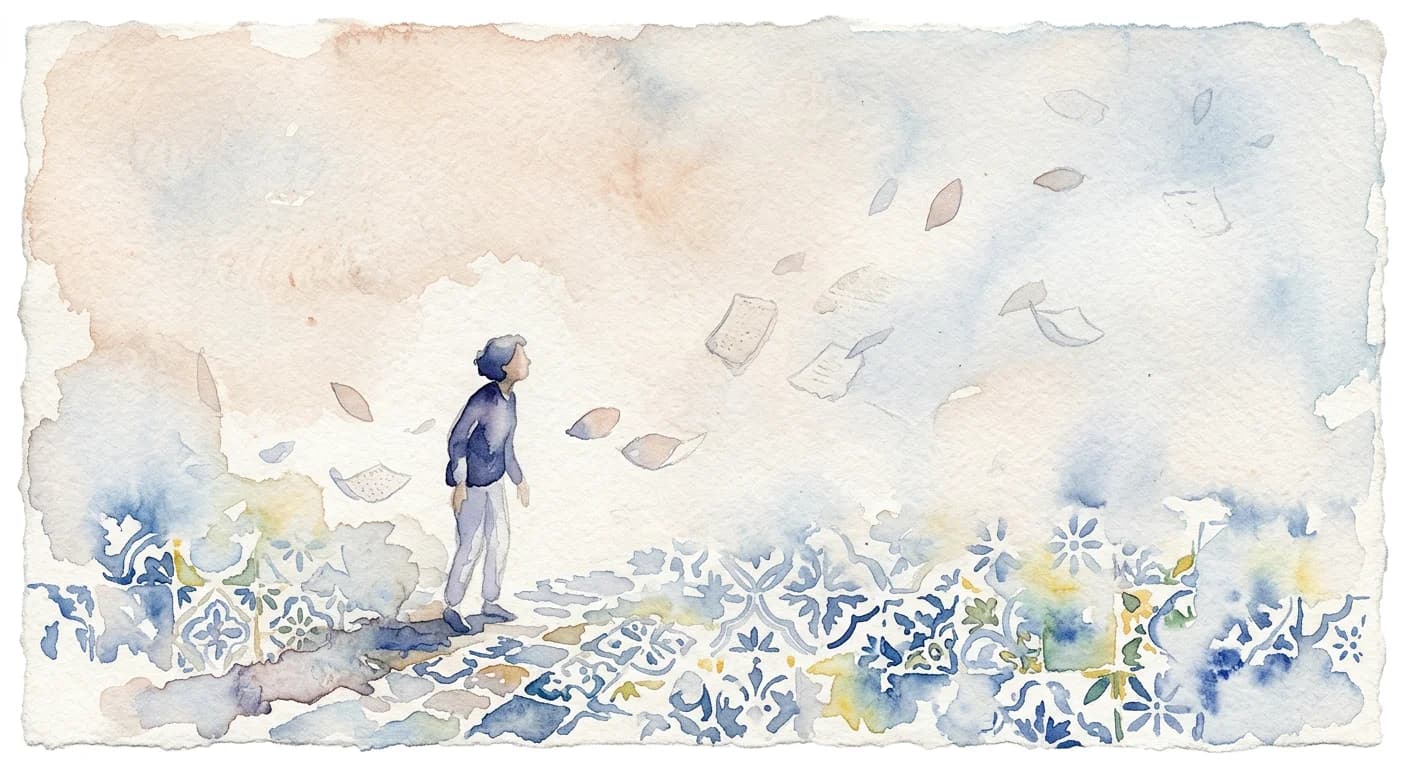
    Artistic representation of Engentado
    Portuguese•
    🇦🇴Angola🇧🇷Brazil🇨🇻Cape Verde🇬🇼Guinea-Bissau🇲🇿Mozambique🇵🇹Portugal🇸🇹São Tomé and Príncipe🇹🇱Timor-Leste

    Engentado

    /en-zhen-TAH-doo/

    Meaning

    Engentado describes the particular paralysis that descends when confronted by an overwhelming deluge of tasks, information, or stimuli. It's more than mere busyness; it's a mental gridlock where the sheer volume of demands or data makes coherent action impossible, leading to a state of bewildered inaction. This feeling often carries a touch of the absurd, a comical helplessness in the face of too much, rather than a deep despair.

    Literal Translation

    Engendered, caused, produced (in a passive sense)

    The Story Behind the Word

    The existence of "engentado" in Portuguese culture, particularly in Portugal, speaks to a societal rhythm that, while appreciating diligence, also recognizes the human limits of processing and task management. It reflects a culture that allows for moments of pause, even if induced by overload, without immediate judgment. Unlike cultures that might stigmatize inaction, "engentado" offers a relatable, almost endearing, explanation for temporary incapacitation. It subtly critiques the relentless pace of modern life, acknowledging the common struggle to keep up with an ever-increasing flow of demands, particularly in urban or professional settings. The word itself, derived from "gente" (people), hints at the social aspect of this overwhelm – often caused by the demands and interactions of others.

    Experience It

    Email Avalanche

    João opened his inbox on Monday morning to find over eighty unread emails, each with a different urgent request. He stared at the screen, completely engentado, unable to click on a single one, his mind a jumble of priorities.

    Party Planning Chaos

    Maria was trying to coordinate food, decorations, and guest lists for her son's birthday. With calls coming in, messages pinging, and a toddler clinging to her leg, she found herself engentada, just standing in the kitchen, holding a half-inflated balloon.

    The Deeper Meaning

    This word offers a subtle philosophical commentary on modern existence, highlighting the tension between human capacity and the accelerating demands of information and tasks. It suggests that there's a natural limit to our ability to process and act, and that exceeding this limit leads not to frantic activity, but to a peculiar, almost passive, state of mental and physical arrest. It's a quiet acknowledgment of our inherent fragility in the face of overwhelming complexity.

    Did You Know?

    The root of "engentado" is "gente" (people), suggesting the overwhelm often stems from the demands or expectations of others, or the sheer volume of human interaction.

    How It's Used

    Used to describe a person who is feeling overwhelmed and unable to act due to too many demands or too much information.

    Emotions
    anger,melancholy,wonder
    Contexts
    daily life,work
    🇦🇴Angola🇧🇷Brazil🇨🇻Cape Verde🇬🇼Guinea-Bissau🇲🇿Mozambique🇵🇹Portugal🇸🇹São Tomé and Príncipe🇹🇱Timor-Leste

    by Annelise Dubois·Written Mar 14, 2026·Updated Apr 3, 2026

    Related Words

    Explore more
    HyggeDanish

    Hygge is more than mere coziness; it's a holistic embrace of comfort, warmth, and belonging that nourishes the soul. It describes the intentional creation of an intimate atmosphere where simple pleasures, genuine connection, and mindful presence converge, fostering a profound sense of contentment and well-being. It's about finding joy and peace in the small, everyday moments, often shared with loved ones.

    SaudadePortuguese

    Saudade encapsulates a profound, melancholic longing for something or someone cherished that is absent, often with the bittersweet knowledge that it may never return. It's a deep emotional state tinged with nostalgia, evoking a sense of loss for past experiences, places, or people, yet also holding a tender appreciation for the beauty of what once was. This yearning is not merely sadness, but a complex tapestry of desire, memory, and a poignant acceptance of absence, holding the beloved in a warm, persistent embrace within the heart.

    GezelligDutch

    Gezellig encapsulates a profound sense of warmth, belonging, and convivial comfort, extending beyond mere coziness to embrace the social and emotional atmosphere. It's the feeling of being truly at ease, surrounded by good company, laughter, and a shared sense of contentment. This untranslatable term describes not just a physical space, but a holistic experience where time seems to slow down, fostering genuine connection and a deep sense of well-being.

    Dolce far nienteItalian

    Dolce far niente captures the profound joy and effortless pleasure derived from simply existing without obligation or purpose. It's the art of savoring moments of pure, unadulterated idleness – lying in the sun, watching the clouds drift, or enjoying a leisurely coffee – not as a break from work, but as a valuable state in itself. This 'sweetness of doing nothing' is a conscious embrace of stillness and contentment, allowing the soul to breathe and the senses to fully engage with the present.