U.
HomeRegionsLanguagesEmotionsCollections
Find Your Word

“The limits of my language mean the limits of my world.”

— Ludwig Wittgenstein, Philosopher

Untranslatable

A curated collection of the world's most beautiful expressions—words that remind us language is humanity's greatest invention.

  • Home
  • Collections
  • Regions
  • Countries
  • Emotions
  • Tags
  • Contexts
  • Finder
  • Europe
  • Asia
  • Americas
  • Africa
  • Middle East
  • About
  • Contact
  • Privacy Policy
  • Terms of Service

2026 © Untranslatable. All rights reserved.

    /
    /
    1. Home
    2. /
    3. Europe
    4. /
    5. Empalagoso
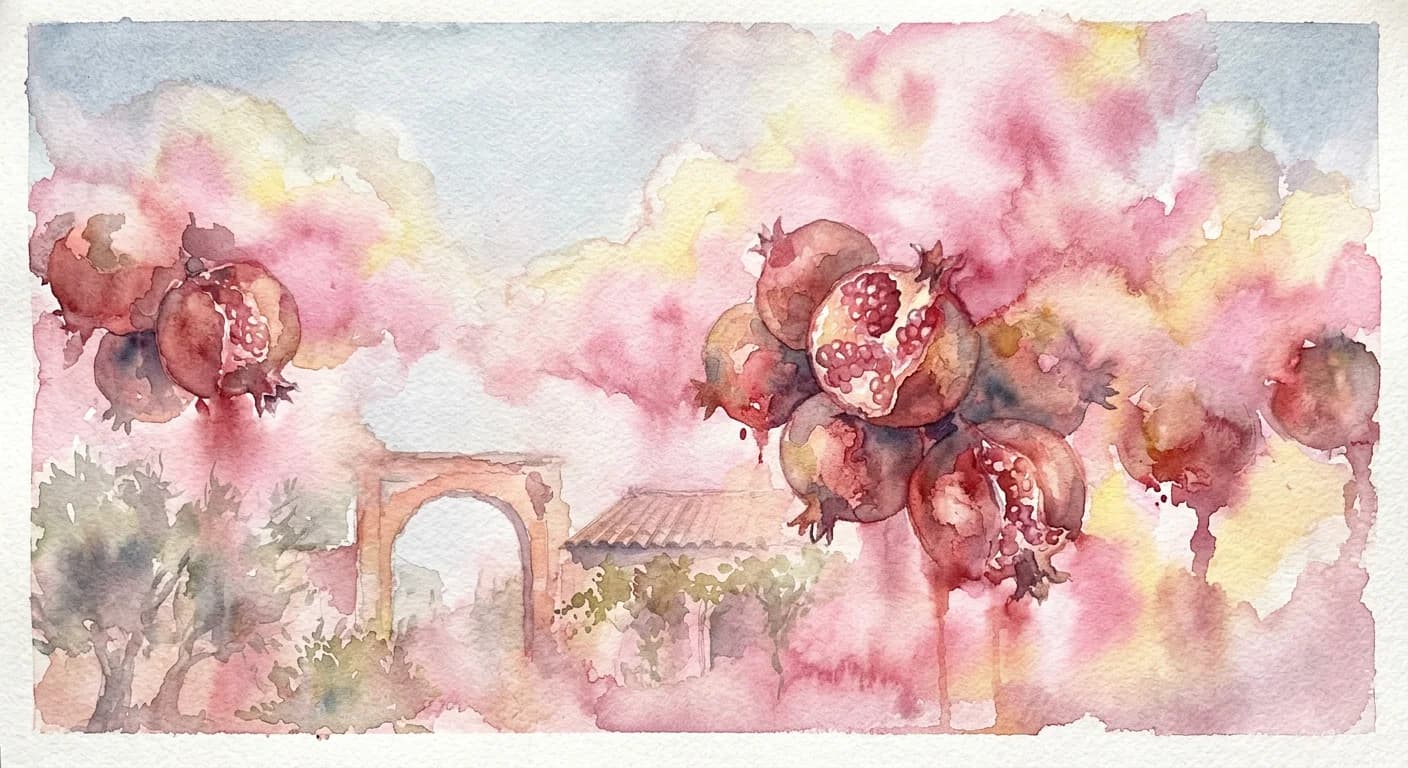
    Artistic representation of Empalagoso
    Spanish•
    🇦🇷Argentina🇧🇴Bolivia🇨🇱Chile🇨🇴Colombia🇨🇷Costa Rica🇨🇺Cuba🇩🇴Dominican Republic🇪🇨Ecuador🇸🇻El Salvador🇬🇹Guatemala🇭🇳Honduras🇲🇽Mexico🇳🇮Nicaragua🇵🇦Panama🇵🇾Paraguay🇵🇪Peru🇵🇷Puerto Rico🇪🇸Spain🇺🇾Uruguay🇻🇪Venezuela

    Empalagoso

    /em-pah-lah-GOH-soh/

    Meaning

    Empalagoso describes a sensation of overwhelming, sickly sweetness that transcends mere delight, becoming genuinely unpleasant and almost nauseating. It captures the cloying excess of something that should be enjoyable but has crossed a critical threshold into an almost repulsive abundance, like a dessert so sugary it makes your teeth ache or an overly sentimental gesture that feels disingenuous. This word encapsulates a visceral reaction to an overload of saccharine quality, whether in food, behavior, or even artistic expression, highlighting a cultural aversion to unbridled, unnuanced sweetness.

    Literal Translation

    Cloying, sickeningly sweet

    The Story Behind the Word

    The existence of "empalagoso" in Spanish culture speaks to a nuanced appreciation for balance and authenticity, particularly in sensory experiences and social interactions. Spanish cuisine, while rich and flavorful, often balances sweetness with tartness, bitterness, or saltiness, making an overly sweet dish a genuine culinary transgression rather than just a preference. In social contexts, it reflects a society that values sincerity and a certain restraint; effusive, unearned affection or flattery can be perceived as insincere or even manipulative. The word acts as a cultural barometer, signaling a discomfort with excess that lacks depth or genuine feeling, revealing a preference for measured enjoyment and authentic connection over superficial exuberance. It underscores a cultural sensibility that finds beauty in moderation and distrusts anything that feels too "perfect" or overly embellished.

    Experience It

    Dessert Disaster

    At the family gathering, Aunt Elena brought her famous 'tres leches' cake. While usually a hit, this time it was so drenched in condensed milk that after just one bite, everyone agreed in unison, '¡Qué empalagoso!' The sweetness clung to the palate, making it impossible to enjoy.

    Overly Affectionate Friend

    María's new friend, Carlos, was constantly complimenting her every move, calling her 'my little angel' and sending heart emojis after every text. While initially charming, it quickly became empalagoso; María started to feel smothered and questioned the sincerity behind his relentless adoration.

    The Deeper Meaning

    "Empalagoso" offers a glimpse into a philosophy that values moderation and authenticity. It suggests that even good things, when taken to an extreme or delivered without genuine context, can become undesirable or even repellent. This word subtly critiques superficiality and excess, advocating for a balanced approach to pleasure and human interaction, where quality and nuance are prioritized over sheer quantity or saccharine display.

    Did You Know?

    The root of "empalagoso" comes from "paladar" (palate), literally meaning something that clogs or saturates the palate, emphasizing its physical, visceral impact.

    How It's Used

    Used to describe food that is excessively sweet, or a person who is overly affectionate or saccharine in their behavior, to the point of being irritating or nauseating.

    Emotion
    anxiety
    Contexts
    dining,social interaction
    🇦🇷Argentina🇧🇴Bolivia🇨🇱Chile🇨🇴Colombia🇨🇷Costa Rica🇨🇺Cuba🇩🇴Dominican Republic🇪🇨Ecuador🇸🇻El Salvador🇬🇹Guatemala🇭🇳Honduras🇲🇽Mexico🇳🇮Nicaragua🇵🇦Panama🇵🇾Paraguay🇵🇪Peru🇵🇷Puerto Rico🇪🇸Spain🇺🇾Uruguay🇻🇪Venezuela

    by Sofia Rossi·Written Mar 14, 2026·Updated Apr 3, 2026

    Related Words

    Explore more
    HyggeDanish

    Hygge is more than mere coziness; it's a holistic embrace of comfort, warmth, and belonging that nourishes the soul. It describes the intentional creation of an intimate atmosphere where simple pleasures, genuine connection, and mindful presence converge, fostering a profound sense of contentment and well-being. It's about finding joy and peace in the small, everyday moments, often shared with loved ones.

    SaudadePortuguese

    Saudade encapsulates a profound, melancholic longing for something or someone cherished that is absent, often with the bittersweet knowledge that it may never return. It's a deep emotional state tinged with nostalgia, evoking a sense of loss for past experiences, places, or people, yet also holding a tender appreciation for the beauty of what once was. This yearning is not merely sadness, but a complex tapestry of desire, memory, and a poignant acceptance of absence, holding the beloved in a warm, persistent embrace within the heart.

    GezelligDutch

    Gezellig encapsulates a profound sense of warmth, belonging, and convivial comfort, extending beyond mere coziness to embrace the social and emotional atmosphere. It's the feeling of being truly at ease, surrounded by good company, laughter, and a shared sense of contentment. This untranslatable term describes not just a physical space, but a holistic experience where time seems to slow down, fostering genuine connection and a deep sense of well-being.

    Dolce far nienteItalian

    Dolce far niente captures the profound joy and effortless pleasure derived from simply existing without obligation or purpose. It's the art of savoring moments of pure, unadulterated idleness – lying in the sun, watching the clouds drift, or enjoying a leisurely coffee – not as a break from work, but as a valuable state in itself. This 'sweetness of doing nothing' is a conscious embrace of stillness and contentment, allowing the soul to breathe and the senses to fully engage with the present.