Freizeitstress
/FRYE-tsyt-stres/
Meaning
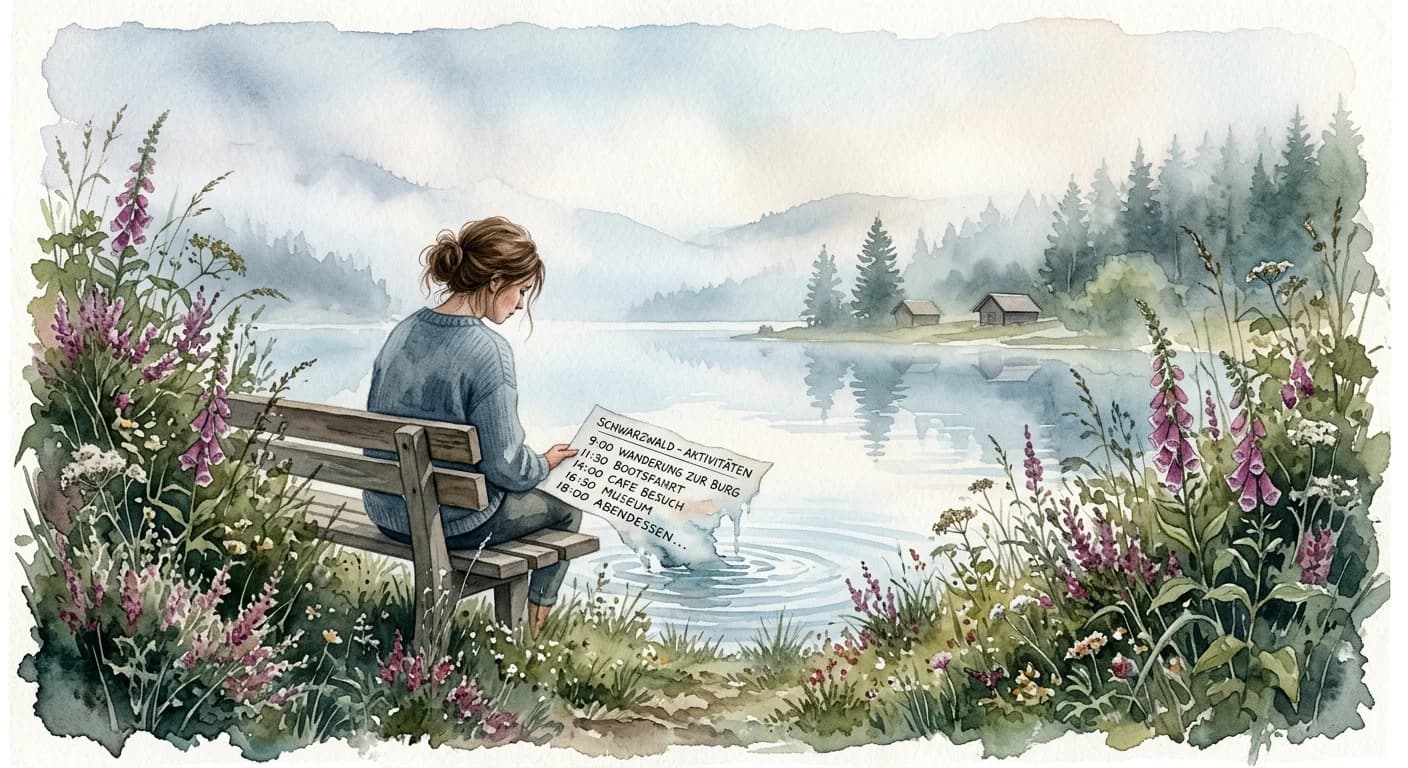
Freizeitstress encapsulates the paradoxical anxiety and pressure that arises during periods of leisure, such as holidays or weekends. It's the nagging feeling that one must optimally utilize every free moment, often leading to over-scheduled itineraries or an obligation to seek out 'meaningful' entertainment and productivity. This modern malady stems from the societal expectation that even downtime isn't for true recuperation, but rather another arena for curated experiences and self-optimization. It highlights the contemporary dilemma of abundant choice and the fear of 'wasting' precious moments of freedom, transforming relaxation into another source of strain.
Literal Translation
Free-time-stress
The Story Behind the Word
The existence of "Freizeitstress" in German culture speaks volumes about the nation's deep-seated values of efficiency, planning, and productivity, which traditionally extended even into leisure. Germany's post-war economic miracle (Wirtschaftswunder) instilled a strong work ethic, and this mindset subtly seeped into the perception of free time. Leisure isn't just a break from work; it's often viewed as an opportunity for personal development, cultural enrichment, or active recreation, which requires its own form of organization and 'optimization.' This cultural emphasis on structure and purpose can make unstructured downtime feel unproductive or even wasteful, leading to the internal pressure to fill every moment with value. It reflects a society that values discipline and foresight, even when it comes to unwinding, revealing a subtle tension between the desire for relaxation and the ingrained drive for optimal living.
Experience It
Holiday Planning Overload
Sarah felt overwhelmed by her upcoming two-week vacation. She had meticulously planned every day with museum visits, hikes, and culinary experiences across three cities, convinced she had to make the 'most' of her rare time off. The thought of just relaxing by the pool felt like a failure, a clear case of Freizeitstress.
Weekend Activity Pressure
After a demanding work week, Markus just wanted to unwind. However, his friends were suggesting a bike tour, a BBQ, and a visit to a new exhibition, all packed into Saturday. He felt a wave of Freizeitstress, pressured to join everything so as not to 'miss out' on the weekend's potential.
The Deeper Meaning
This word unmasks a core tension in contemporary Western society: the struggle to define 'rest' and 'leisure' in an increasingly performance-driven world. It challenges the notion that freedom from work automatically equates to relaxation, instead revealing how the capitalist imperative for efficiency and optimization has infiltrated our personal time. "Freizeitstress" highlights a collective anxiety about meaning, purpose, and the 'right' way to live, even when we are ostensibly free to do as we please.
Did You Know?
Despite its negative connotation, some sociologists argue that "Freizeitstress" is a uniquely modern phenomenon, born from affluence and the abundance of leisure options, rather than a lack thereof.
How It's Used
This term is used to describe the feeling of being stressed about having too much free time and the pressure to fill it with meaningful or enjoyable activities. It's often discussed in relation to vacations, holidays, and weekends.