U.
HomeRegionsLanguagesEmotionsCollections
Find Your Word

“The limits of my language mean the limits of my world.”

— Ludwig Wittgenstein, Philosopher

Untranslatable

A curated collection of the world's most beautiful expressions—words that remind us language is humanity's greatest invention.

  • Home
  • Collections
  • Regions
  • Countries
  • Emotions
  • Tags
  • Contexts
  • Finder
  • Europe
  • Asia
  • Americas
  • Africa
  • Middle East
  • About
  • Contact
  • Privacy Policy
  • Terms of Service

2026 © Untranslatable. All rights reserved.

    /
    /
    1. Home
    2. /
    3. Asia
    4. /
    5. Hirarete
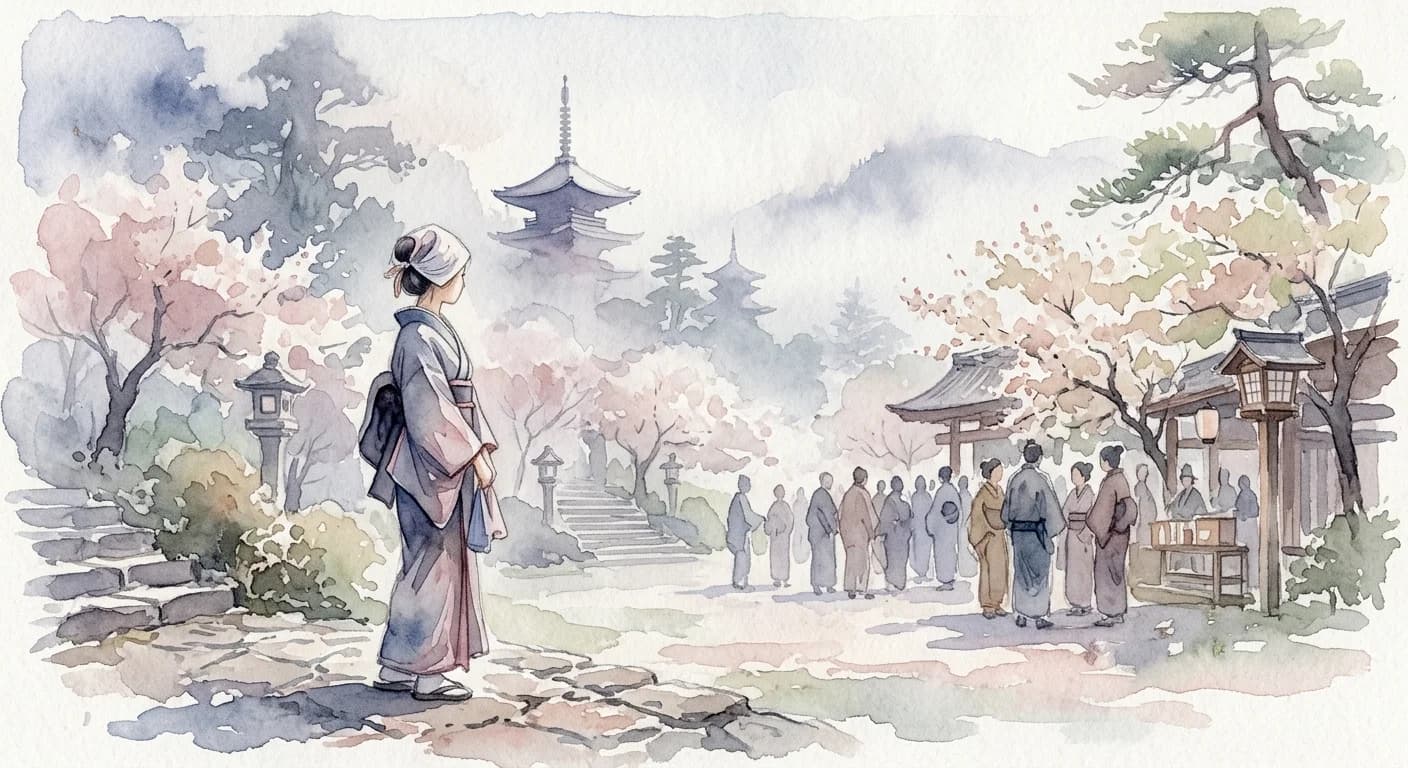
    Artistic representation of Hirarete
    Japanese•
    🇯🇵Japan

    Hirarete

    /hee-rah-reh-teh/

    Meaning

    Hirarete describes the subtle, often unspoken experience of being present yet unnoticed, a quiet sensation of fading into the background. It's the mild, personal sting when your contributions are overlooked, your presence isn't acknowledged, or your voice isn't heard in a group setting. This feeling doesn't stem from malice or intentional exclusion, but rather from a gentle, almost accidental invisibility, leaving one with a sense of being on the periphery, a quiet resignation to not being 'registered' by those around you.

    Literal Translation

    to be overlooked/ignored (passive form of 'hiru' - to overlook/ignore)

    The Story Behind the Word

    The existence and nuance of 'hirarete' in Japanese culture speak volumes about the emphasis on collective harmony (wa) and the intricate dance of social interaction. In a society where group cohesion is paramount and individual expression is often tempered by consideration for others, being 'hirarete' can feel like a minor disruption to one's sense of belonging, even if unintentional. It highlights a cultural sensitivity to subtle social cues and the deep desire for mutual recognition within a group, reflecting a world where one's place within the collective is constantly, if subtly, affirmed or, in this case, momentarily un-affirmed. It underscores the importance of being 'seen' and acknowledged, not for individual glory, but for maintaining one's role and connection within the social fabric.

    Experience It

    The Unheard Suggestion

    During a lively team meeting, Kenji offered a creative solution to a problem. His colleagues, engrossed in their own discussions, continued without acknowledging his input, leaving Kenji feeling a distinct sense of 'hirarete' as his idea hung in the air, unheard.

    Forgotten in the Foyer

    At a bustling company party, Yumi found herself standing alone by the entrance for a prolonged period. Despite several familiar faces passing by, no one initiated a conversation or even made eye contact, and she felt a quiet 'hirarete' wash over her, a mild disappointment at her unnoticed presence.

    The Deeper Meaning

    Hirarete illuminates a deeply relational worldview, where one's sense of self is significantly intertwined with social recognition. It reveals a culture that values not just individual presence, but the active acknowledgment of that presence by others. The quiet suffering of being 'hirarete' underscores a philosophical lean towards group harmony and the subtle, unspoken agreements that govern social cohesion, where even unintentional oversight can create a momentary ripple in one's sense of belonging.

    Did You Know?

    Unlike outright 'mushi suru' (to ignore intentionally), 'hirarete' carries no negative intent from others, making the feeling more about one's internal experience than external aggression.

    How It's Used

    Used to describe the experience of being overlooked, ignored, or not recognized in social situations, whether at a party, in a meeting, or during a casual interaction.

    Emotions
    longing,melancholy
    Contexts
    friendship,social interaction,work
    🇯🇵Japan

    by Anya Petrova·Written Mar 14, 2026·Updated Apr 3, 2026

    Related Words

    Explore more
    SaudadePortuguese

    Saudade encapsulates a profound, melancholic longing for something or someone cherished that is absent, often with the bittersweet knowledge that it may never return. It's a deep emotional state tinged with nostalgia, evoking a sense of loss for past experiences, places, or people, yet also holding a tender appreciation for the beauty of what once was. This yearning is not merely sadness, but a complex tapestry of desire, memory, and a poignant acceptance of absence, holding the beloved in a warm, persistent embrace within the heart.

    Wabi-sabiJapanese

    Wabi-sabi is the profound appreciation for the ephemeral, the imperfect, and the incomplete aspects of existence. It is about discovering beauty in the subtle textures of age, the unique character of flaws, and the gentle decay that marks the passage of time. This philosophy encourages a quiet acceptance of impermanence and a mindful connection to the natural world, finding elegance in simplicity and authenticity.

    IkigaiJapanese

    Ikigai is more than just a reason to get out of bed; it's a deeply personal and evolving sense of purpose that brings genuine fulfillment and joy to one's life. It represents the sweet spot where your passions, talents, needs of the world, and what you can be paid for beautifully converge. Discovering your ikigai often leads to a life lived with intentionality, resilience, and a profound connection to one's contributions. It's the intrinsic motivation that fuels a meaningful existence, regardless of external circumstances.

    NunchiKorean

    Nunchi is the sophisticated, almost telepathic, ability to instantly grasp the unspoken dynamics of any social situation, anticipating others' thoughts and feelings, and then responding with impeccable grace and timing. It's an acute form of social intuition, allowing one to navigate complex interpersonal landscapes by reading subtle cues like body language, tone, and context. Possessing good nunchi means effortlessly understanding the underlying emotional currents and adjusting one's behavior to maintain harmony and effectiveness, often without a single word exchanged.