Presepada
/preh-seh-PAH-dah/
Meaning
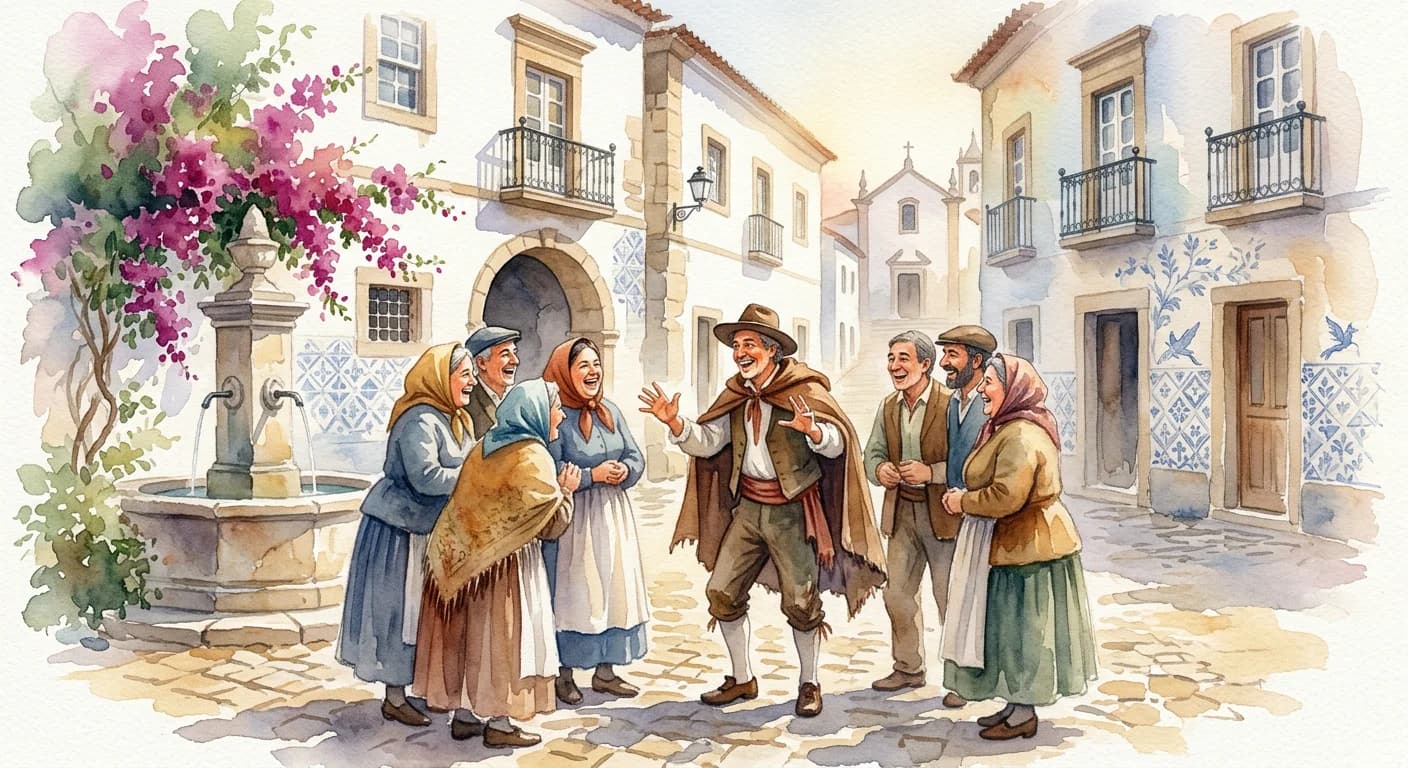
Presepada evokes a delightful, often spontaneous, act of playful deception or a well-orchestrated practical joke, always executed with an underlying current of good humor and zero malicious intent. It's the kind of lighthearted trickery designed to elicit gasps of surprise followed by hearty laughter, turning an ordinary moment into a shared memory of amusement. This word captures the essence of communal fun, where the cleverness of the prank and the collective joyous reaction are paramount, fostering bonds through shared jesting and a spirit of joyful spontaneity.
Literal Translation
related to nativity scene/stable (presepio)
The Story Behind the Word
The existence of 'presepada' in Portuguese culture, particularly in Portugal, speaks volumes about a societal appreciation for humor, camaraderie, and the art of playful mischief. Its etymological link to 'presépio' (nativity scene) is fascinating, suggesting a transformation from a sacred, theatrical representation to a secular, often improvised, 'scene' of playful trickery. This linguistic evolution might reflect a cultural inclination to find humor and lightheartedness even in unexpected places, or perhaps to view life's little deceptions as a form of spontaneous, harmless 'performance.' It underscores a value placed on social interaction that is not always serious, allowing for moments of theatrical fun that break routine and inject joy, reinforcing community bonds through shared laughter and mild, non-threatening surprise. The ability to pull off or appreciate a 'presepada' often signifies a healthy, relaxed social dynamic.
Experience It
The Disappearing Cake
At João's birthday, his friends pretended they'd forgotten the cake. Just as he started looking dejected, they revealed it from behind a curtain, shouting 'Presepada!' and everyone burst into laughter, including a relieved João.
Office Mouse Scare
Sofia's colleagues carefully placed a realistic rubber mouse under her computer monitor. When she shrieked, they immediately confessed, laughing at her exaggerated reaction. It was a classic office presepada to lighten the mood.
The Deeper Meaning
Presepada reflects a cultural philosophy that values humor as a social lubricant and a tool for bonding. It suggests an understanding that life doesn't always need to be serious, and that harmless deception, when rooted in affection, can strengthen relationships. This word embodies the belief that shared laughter, even at one's own expense in a gentle way, is a vital component of a rich and connected community life, fostering resilience and joy.
Did You Know?
The word's origin from 'presépio' (nativity scene) is quite ironic, transforming a solemn, religious tableau into a term for lighthearted, often mischievous, pranks. It's like going from sacred art to playful art!
How It's Used
Used to describe a prank, a practical joke, or a funny trick, especially one that is done in good spirits. It can be used for both minor mischief and more elaborate, but still harmless, pranks.