U.
HomeRegionsLanguagesEmotionsCollections
Find Your Word

“The limits of my language mean the limits of my world.”

— Ludwig Wittgenstein, Philosopher

Untranslatable

A curated collection of the world's most beautiful expressions—words that remind us language is humanity's greatest invention.

  • Home
  • Collections
  • Regions
  • Countries
  • Emotions
  • Tags
  • Contexts
  • Finder
  • Europe
  • Asia
  • Americas
  • Africa
  • Middle East
  • About
  • Contact
  • Privacy Policy
  • Terms of Service

2026 © Untranslatable. All rights reserved.

    /
    /
    1. Home
    2. /
    3. Europe
    4. /
    5. Nachtwandler
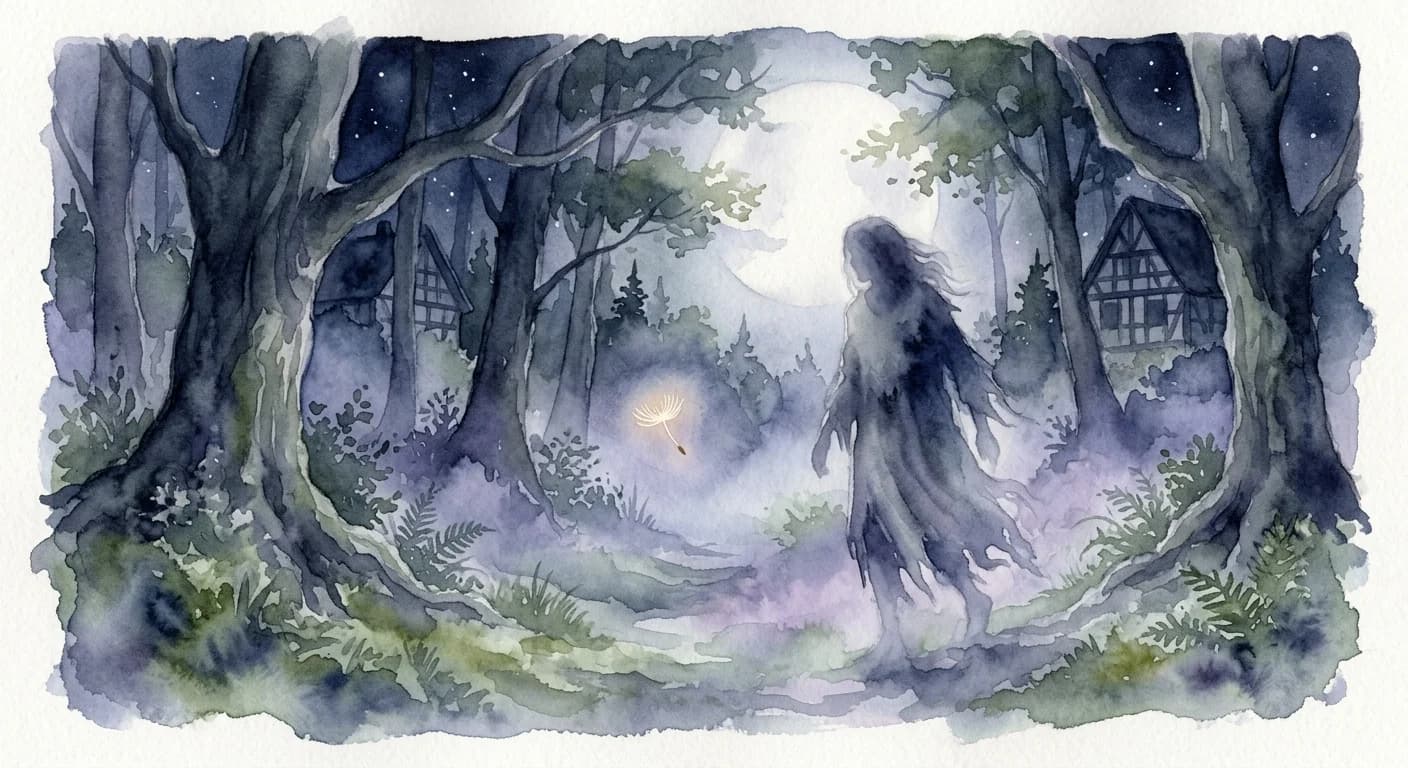
    Artistic representation of Nachtwandler
    German•
    🇦🇹Austria🇩🇪Germany🇨🇭Switzerland

    Nachtwandler

    /NAHKHT-vahn-dler/

    Meaning

    Nachtwandler transcends the clinical 'sleepwalker,' evoking a figure moving through the profound silence of the night in a trance-like state. It paints a picture of someone detached from their conscious self, guided by an unseen force through a dreamscape that bleeds into reality. This word captures the eerie beauty and unsettling mystery of the subconscious mind asserting its presence, blurring the boundaries between wakefulness and the nocturnal world's hidden depths.

    Literal Translation

    night walker

    The Story Behind the Word

    The concept of the 'Nachtwandler' is deeply embedded in German Romanticism and its fascination with the subconscious, dreams, and the uncanny. During the 18th and 19th centuries, philosophers and writers like E.T.A. Hoffmann explored the darker, irrational aspects of the human psyche, where the boundary between reality and fantasy was fluid. The 'Nachtwandler' became a potent symbol for this exploration, representing the hidden depths of human nature, the soul's journey during sleep, and the unsettling idea that one's body could act independently of conscious will. It reflects a cultural inclination to acknowledge and even poeticize the mysterious and inexplicable, rather than solely reducing phenomena to scientific terms. This word reveals a German sensibility that values the evocative power of language and the recognition of an inner world that operates beyond rational control, hinting at a broader appreciation for the enigmatic aspects of existence.

    Experience It

    A Silent Journey

    Elara's roommate found her standing in the kitchen at 3 AM, silently staring out the window, eyes wide open yet unseeing. 'She was a true Nachtwandler,' her roommate whispered the next morning, 'moving with an eerie grace as if in another world.'

    The Sleepwalker's Path

    Old Herr Schmidt was known in the village for his nocturnal wanderings. Sometimes, he'd be found in his garden, tending to phantom flowers. The villagers would simply say, 'Der alte Herr Schmidt ist wieder als Nachtwandler unterwegs,' understanding it as a part of his mysterious nighttime ritual.

    The Deeper Meaning

    The 'Nachtwandler' speaks to a deep philosophical understanding of the human condition, where the self is not a singular, unified entity. It highlights the existence of a profound subconscious realm that can exert control over the body, suggesting that our waking consciousness is only one facet of our being. This word encourages contemplation of the mind's hidden architecture and the mysterious forces that shape our actions beyond conscious intent.

    Did You Know?

    The term 'Nachtwandler' has been used in German literature and opera to describe characters who are mysteriously drawn to the night, not always literally sleepwalking, but metaphorically lost in dreams or subconscious states.

    How It's Used

    Used to describe someone who walks in their sleep.

    Emotions
    melancholy,wonder
    Contexts
    daily life,solitude
    🇦🇹Austria🇩🇪Germany🇨🇭Switzerland

    by Annelise Dubois·Written Mar 14, 2026·Updated Apr 3, 2026

    Related Words

    Explore more
    HyggeDanish

    Hygge is more than mere coziness; it's a holistic embrace of comfort, warmth, and belonging that nourishes the soul. It describes the intentional creation of an intimate atmosphere where simple pleasures, genuine connection, and mindful presence converge, fostering a profound sense of contentment and well-being. It's about finding joy and peace in the small, everyday moments, often shared with loved ones.

    SaudadePortuguese

    Saudade encapsulates a profound, melancholic longing for something or someone cherished that is absent, often with the bittersweet knowledge that it may never return. It's a deep emotional state tinged with nostalgia, evoking a sense of loss for past experiences, places, or people, yet also holding a tender appreciation for the beauty of what once was. This yearning is not merely sadness, but a complex tapestry of desire, memory, and a poignant acceptance of absence, holding the beloved in a warm, persistent embrace within the heart.

    GezelligDutch

    Gezellig encapsulates a profound sense of warmth, belonging, and convivial comfort, extending beyond mere coziness to embrace the social and emotional atmosphere. It's the feeling of being truly at ease, surrounded by good company, laughter, and a shared sense of contentment. This untranslatable term describes not just a physical space, but a holistic experience where time seems to slow down, fostering genuine connection and a deep sense of well-being.

    Dolce far nienteItalian

    Dolce far niente captures the profound joy and effortless pleasure derived from simply existing without obligation or purpose. It's the art of savoring moments of pure, unadulterated idleness – lying in the sun, watching the clouds drift, or enjoying a leisurely coffee – not as a break from work, but as a valuable state in itself. This 'sweetness of doing nothing' is a conscious embrace of stillness and contentment, allowing the soul to breathe and the senses to fully engage with the present.