U.
HomeRegionsLanguagesEmotionsCollections
Find Your Word

“The limits of my language mean the limits of my world.”

— Ludwig Wittgenstein, Philosopher

Untranslatable

A curated collection of the world's most beautiful expressions—words that remind us language is humanity's greatest invention.

  • Home
  • Collections
  • Regions
  • Countries
  • Emotions
  • Tags
  • Contexts
  • Finder
  • Europe
  • Asia
  • Americas
  • Africa
  • Middle East
  • About
  • Contact
  • Privacy Policy
  • Terms of Service

2026 © Untranslatable. All rights reserved.

    /
    /
    1. Home
    2. /
    3. Asia
    4. /
    5. Nekojita
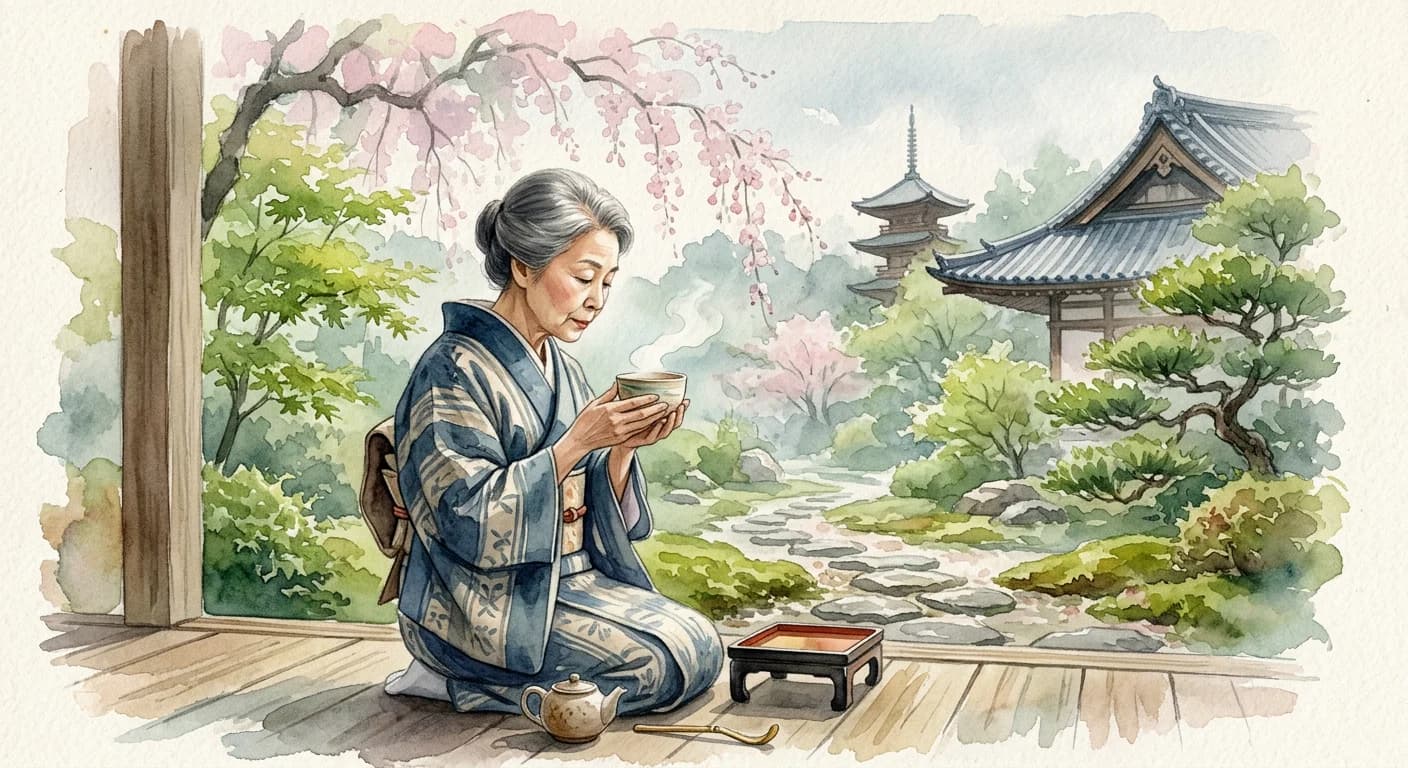
    Artistic representation of Nekojita
    Japanese•
    🇯🇵Japan

    Nekojita

    /neh-koh-jee-tah/

    Meaning

    Nekojita, literally 'cat tongue,' describes an individual exceptionally sensitive to high temperatures in food and drink. This isn't merely a physical discomfort but subtly hints at a delicate constitution, perhaps even a touch of fastidiousness. In a culture that values the communal enjoyment of steaming hot beverages like green tea and meticulously prepared warm meals, having a nekojita can lead to gentle teasing or extra consideration from hosts, highlighting a relatable, everyday sensory experience that sets one apart.

    Literal Translation

    cat tongue

    The Story Behind the Word

    The existence of "nekojita" reflects a cultural appreciation for precise sensory experiences and a sensitivity towards individual differences, even minor ones. In Japan, the act of consuming food and drink is often a ritual, from the carefully brewed tea to the artfully arranged hot dishes. The term playfully acknowledges that not everyone can partake in these experiences with the same robust tolerance for heat. It also subtly touches upon the Japanese aesthetic of 'wabi-sabi' in its acceptance of imperfection and gentle humor, as well as 'omotenashi' (hospitality) in the implied need for hosts to be mindful of a guest's comfort. It underscores a society that observes and labels nuanced human traits, often with a blend of lightheartedness and understanding.

    Experience It

    Tea Ceremony Pause

    During a traditional tea ceremony, Kenji sips his matcha with extreme caution, blowing on it repeatedly. His grandmother smiles knowingly, remarking, 'Still a nekojita, aren't you, Ken-chan? Take your time, there's no rush.'

    Hot Pot Consideration

    At a nabe (hot pot) dinner, while everyone else is eagerly scooping up bubbling ingredients, Akari waits patiently for her portion to cool on a separate plate. Her friend, noticing, says, 'Oh, Akari-chan is nekojita, so we'll make sure her share isn't too hot!'

    The Deeper Meaning

    Nekojita subtly reveals a cultural inclination to observe and categorize human quirks with a blend of empathy and lightheartedness. It highlights how shared dining experiences, central to Japanese culture, also create space for individual differences, fostering gentle understanding rather than judgment. It speaks to a society that finds charm in unique personal traits, even those that might appear as minor inconveniences.

    Did You Know?

    Cats themselves often appear to have 'nekojita' as they lap liquids, as their tongues are highly sensitive to heat, making the literal translation quite apt!

    How It's Used

    Used to describe someone who cannot tolerate hot food or drinks, often humorously or sympathetically.

    Emotions
    comfort,warmth
    Contexts
    dining,relaxation
    🇯🇵Japan

    by Annelise Dubois·Written Mar 14, 2026·Updated Apr 3, 2026

    Related Words

    Explore more
    GezelligDutch

    Gezellig encapsulates a profound sense of warmth, belonging, and convivial comfort, extending beyond mere coziness to embrace the social and emotional atmosphere. It's the feeling of being truly at ease, surrounded by good company, laughter, and a shared sense of contentment. This untranslatable term describes not just a physical space, but a holistic experience where time seems to slow down, fostering genuine connection and a deep sense of well-being.

    Wabi-sabiJapanese

    Wabi-sabi is the profound appreciation for the ephemeral, the imperfect, and the incomplete aspects of existence. It is about discovering beauty in the subtle textures of age, the unique character of flaws, and the gentle decay that marks the passage of time. This philosophy encourages a quiet acceptance of impermanence and a mindful connection to the natural world, finding elegance in simplicity and authenticity.

    IkigaiJapanese

    Ikigai is more than just a reason to get out of bed; it's a deeply personal and evolving sense of purpose that brings genuine fulfillment and joy to one's life. It represents the sweet spot where your passions, talents, needs of the world, and what you can be paid for beautifully converge. Discovering your ikigai often leads to a life lived with intentionality, resilience, and a profound connection to one's contributions. It's the intrinsic motivation that fuels a meaningful existence, regardless of external circumstances.

    NunchiKorean

    Nunchi is the sophisticated, almost telepathic, ability to instantly grasp the unspoken dynamics of any social situation, anticipating others' thoughts and feelings, and then responding with impeccable grace and timing. It's an acute form of social intuition, allowing one to navigate complex interpersonal landscapes by reading subtle cues like body language, tone, and context. Possessing good nunchi means effortlessly understanding the underlying emotional currents and adjusting one's behavior to maintain harmony and effectiveness, often without a single word exchanged.