U.
HomeRegionsLanguagesEmotionsCollections
Find Your Word

“The limits of my language mean the limits of my world.”

— Ludwig Wittgenstein, Philosopher

Untranslatable

A curated collection of the world's most beautiful expressions—words that remind us language is humanity's greatest invention.

  • Home
  • Collections
  • Regions
  • Countries
  • Emotions
  • Tags
  • Contexts
  • Finder
  • Europe
  • Asia
  • Americas
  • Africa
  • Middle East
  • About
  • Contact
  • Privacy Policy
  • Terms of Service

2026 © Untranslatable. All rights reserved.

    /
    /
    1. Home
    2. /
    3. Asia
    4. /
    5. Oku
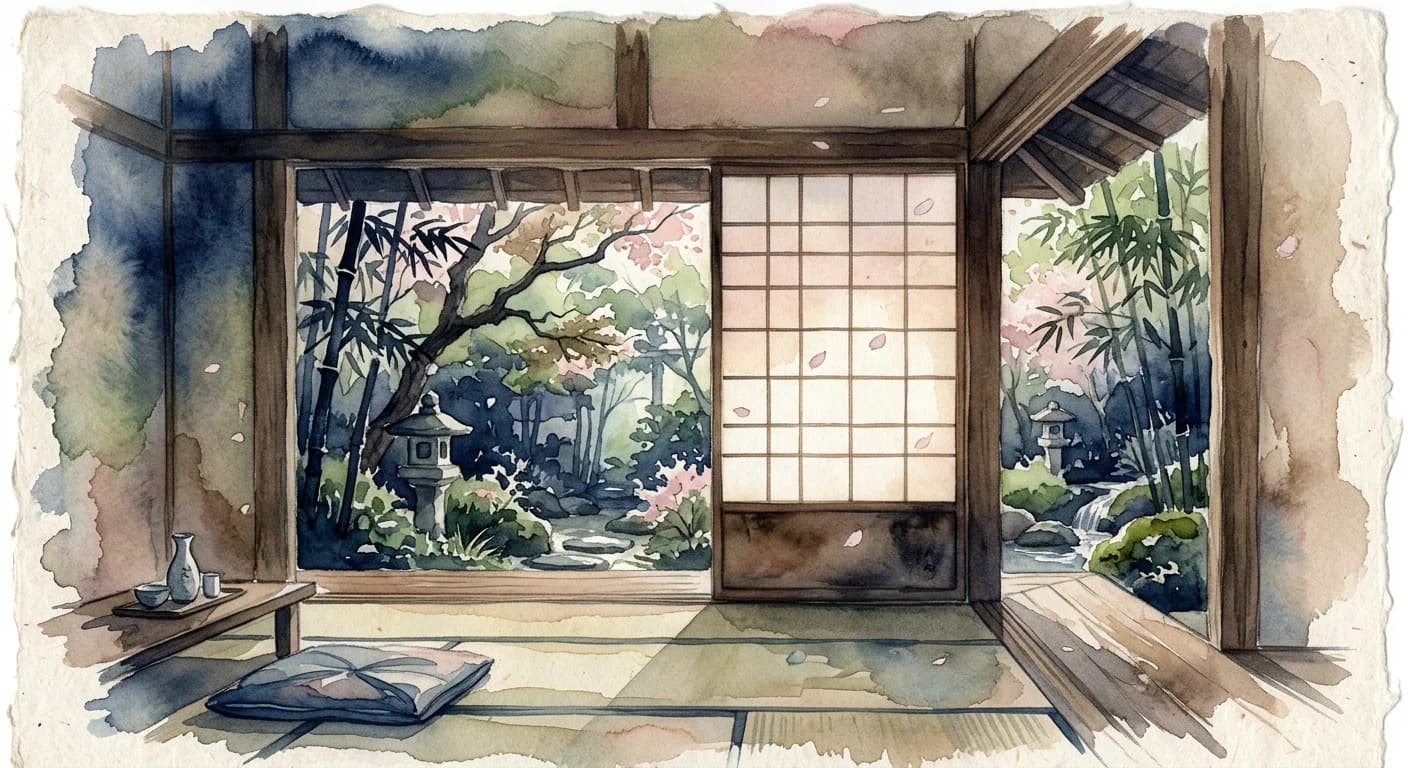
    Artistic representation of Oku
    Japanese•
    🇯🇵Japan

    Oku

    /OH-koo/

    Meaning

    Oku (奥) transcends a mere physical location, describing an inner, often hidden, space that holds profound significance and intimacy. It evokes a sense of deep mystery and reverence for what lies beyond the immediate surface, be it the secluded heart of a traditional Japanese garden, the unspoken depths of a cherished relationship, or the true essence of a person's character. This concept implies that true understanding and connection require patience, trust, and a willingness to explore beyond the easily accessible, revealing layers of meaning over time.

    Literal Translation

    inner part, interior, depth

    The Story Behind the Word

    The concept of 'oku' is deeply embedded in Japanese aesthetics, philosophy, and social structures, reflecting a cultural emphasis on subtlety, indirectness, and the appreciation of hidden beauty. Historically, the architectural layout of traditional Japanese homes, with their layered spaces and private inner rooms, physically embodies 'oku.' In personal interactions, the Japanese often value what is unsaid or implied, and true intimacy is often found not in overt declarations but in shared, quiet understanding—the 'oku' of a relationship. This reverence for the unseen and the profound depth it implies is also evident in arts like poetry and garden design, where suggestion and contemplation are paramount. It speaks to a worldview that values depth over superficiality, and a belief that the most precious things are often those that are not immediately apparent.

    Experience It

    The Garden's Deepest Heart

    Visitors to the ancient temple garden marveled at its manicured beauty, but the true 'oku' was a small, moss-covered stone lantern hidden behind a thick bamboo grove, visible only from a single, specific viewpoint. It was a secret, peaceful spot that only those who truly appreciated the garden's design would seek out.

    Unveiling a Friend's Oku

    After years of casual friendship, Kenji confided in his colleague about a personal struggle, revealing a vulnerability he rarely showed. His colleague realized he was finally being allowed into the 'oku' of Kenji's heart, a deeper, more private space of trust and understanding.

    The Deeper Meaning

    Oku embodies a philosophical approach to existence that values depth, introspection, and the gradual unfolding of truth. It suggests that genuine understanding and connection are not instant but emerge through patient observation, respect for boundaries, and a willingness to delve beyond superficial appearances. This worldview encourages a contemplative appreciation for the hidden dimensions in all things, fostering a richer, more nuanced experience of life.

    Did You Know?

    In traditional Japanese architecture, the innermost, most private room of a house, often reserved for the head of the household or important guests, is literally called 'oku-no-ma' (奥の間).

    How It's Used

    Used to describe the inner part of a home, the depths of a relationship, or a hidden aspect of something.

    Emotions
    belonging,comfort,love,wonder
    Contexts
    family,friendship,home,romance
    🇯🇵Japan

    by Annelise Dubois·Written Mar 14, 2026·Updated Apr 3, 2026

    Related Words

    Explore more
    SobremesaSpanish

    Sobremesa is the cherished, often extended period immediately following a meal, particularly lunch or dinner, where diners remain seated at the table to enjoy conversation, coffee, and digest not just the food, but the company itself. It’s a dedicated time for unhurried social bonding, storytelling, and shared laughter, transforming a simple meal into a profound communal experience. Far from just clearing the dishes, sobremesa is an integral part of Spanish social life, often lasting for hours.

    Wabi-sabiJapanese

    Wabi-sabi is the profound appreciation for the ephemeral, the imperfect, and the incomplete aspects of existence. It is about discovering beauty in the subtle textures of age, the unique character of flaws, and the gentle decay that marks the passage of time. This philosophy encourages a quiet acceptance of impermanence and a mindful connection to the natural world, finding elegance in simplicity and authenticity.

    IkigaiJapanese

    Ikigai is more than just a reason to get out of bed; it's a deeply personal and evolving sense of purpose that brings genuine fulfillment and joy to one's life. It represents the sweet spot where your passions, talents, needs of the world, and what you can be paid for beautifully converge. Discovering your ikigai often leads to a life lived with intentionality, resilience, and a profound connection to one's contributions. It's the intrinsic motivation that fuels a meaningful existence, regardless of external circumstances.

    NunchiKorean

    Nunchi is the sophisticated, almost telepathic, ability to instantly grasp the unspoken dynamics of any social situation, anticipating others' thoughts and feelings, and then responding with impeccable grace and timing. It's an acute form of social intuition, allowing one to navigate complex interpersonal landscapes by reading subtle cues like body language, tone, and context. Possessing good nunchi means effortlessly understanding the underlying emotional currents and adjusting one's behavior to maintain harmony and effectiveness, often without a single word exchanged.

    Featured in 1 collection

    🔗Family Ties