Omiyage
/oh-mee-yah-geh/
Meaning
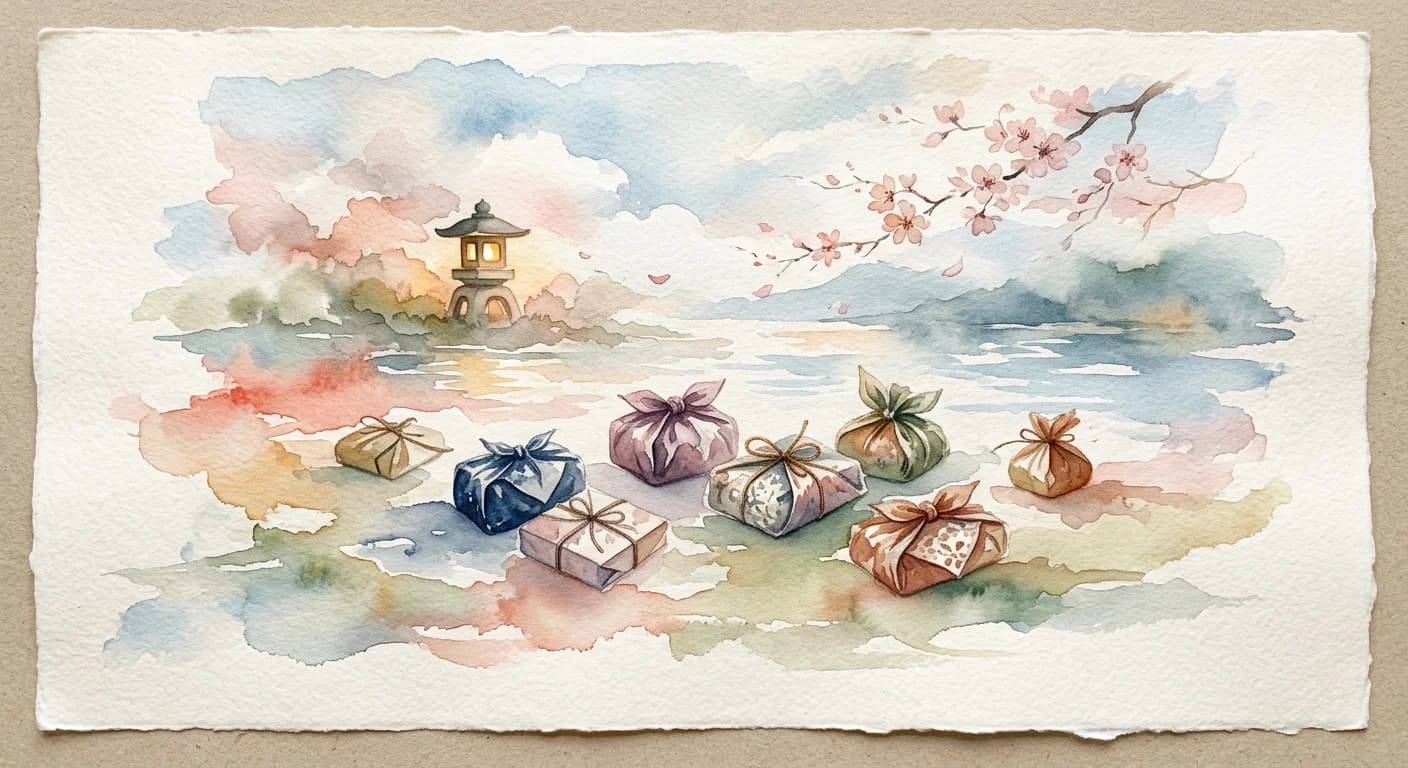
Omiyage transcends a mere souvenir; it's a meticulously chosen gift, laden with the generosity and gratitude of the traveler. It acts as a tangible narrative, bringing a piece of the journey back home to share with loved ones, bridging the physical distance of travel with emotional connection. This thoughtful gesture reinforces social bonds, demonstrating consideration and care, and transforming a return from a trip into a communal experience. It's a sweet, often edible, reminder that one's absence was temporary and that those left behind were cherished.
Literal Translation
souvenir gift
The Story Behind the Word
The practice of omiyage is deeply rooted in Japan's hierarchical social structure, emphasizing collective harmony and mutual respect. Historically, pilgrims would bring back charms or local products from sacred sites, a custom that evolved into today's omiyage. It reflects the Japanese concept of *giri* (social obligation) and *omiyage* (respectful consideration), where showing thoughtfulness to others, especially those who covered for you during your absence, is paramount. This ritual reinforces group cohesion, acknowledges the support received, and maintains social equilibrium, demonstrating that even during personal travel, one remains connected to their community and responsibilities.
Experience It
Office Return
Kenji returns from a business trip to Hokkaido, bringing individually wrapped boxes of Shiroi Koibito cookies. He carefully places them in the office pantry, knowing his colleagues will appreciate the sweet gesture and the regional specialty from his travels.
Family Reunion
After a vacation in Okinawa, Akari presents her grandparents with a beautifully packaged bottle of awamori (Okinawan rice liquor) and some local sea salt. Her grandparents beam, touched by her thoughtfulness and the taste of her adventure.
What Gets Lost in Translation
English speakers often conflate omiyage with a simple souvenir. However, omiyage is rarely for oneself; it's primarily for others, chosen with their preferences in mind, and its value lies in the act of giving and sharing. It's not about what you collected, but what you thoughtfully brought back for them, often reflecting the specialty of the region visited.
Across Cultures
While many cultures have gift-giving traditions, the specific ritual and expectation surrounding omiyage are uniquely Japanese. In Western cultures, souvenirs are often personal mementos. Some similar concepts exist, like bringing back local delicacies or small gifts for close family, but they lack the same ingrained social obligation and widespread practice seen with omiyage.
The Deeper Meaning
Omiyage embodies the Japanese philosophy of *uchi-soto* (in-group/out-group) and the importance of maintaining social harmony through reciprocal gestures. It underscores the idea that personal experiences are enriched when shared, and that even a brief absence requires acknowledgment and appreciation for those who remained. It reveals a worldview where individual journeys are woven into the collective social fabric.
Did You Know?
Many Japanese train stations and airports have entire sections dedicated solely to omiyage, featuring regional specialties and limited-edition items, highlighting its cultural importance.
How It's Used
Typically given to family, friends, and colleagues upon returning from a trip, whether it's a short business trip or a long vacation. It is commonly purchased at airports, train stations, tourist destinations, and local specialty shops.