U.
HomeRegionsLanguagesEmotionsCollections
Find Your Word

“The limits of my language mean the limits of my world.”

— Ludwig Wittgenstein, Philosopher

Untranslatable

A curated collection of the world's most beautiful expressions—words that remind us language is humanity's greatest invention.

  • Home
  • Collections
  • Regions
  • Countries
  • Emotions
  • Tags
  • Contexts
  • Finder
  • Europe
  • Asia
  • Americas
  • Africa
  • Middle East
  • About
  • Contact
  • Privacy Policy
  • Terms of Service

2026 © Untranslatable. All rights reserved.

    /
    /
    1. Home
    2. /
    3. Europe
    4. /
    5. Relleno
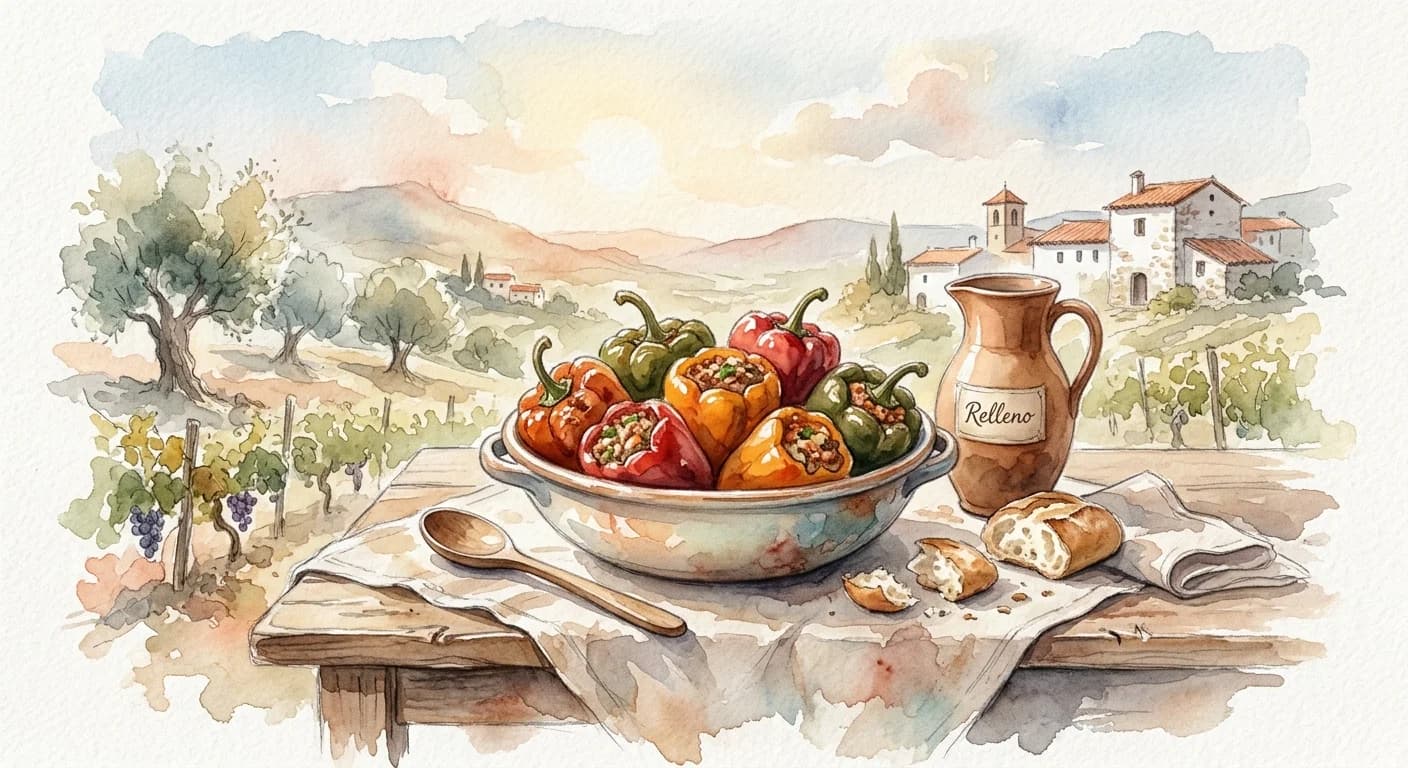
    Artistic representation of Relleno
    Spanish•
    🇦🇷Argentina🇨🇱Chile🇨🇴Colombia🇪🇨Ecuador🇲🇽Mexico🇵🇪Peru🇪🇸Spain🇻🇪Venezuela

    Relleno

    /reh-YEH-noh/

    Meaning

    While 'relleno' literally means 'filling' or 'stuffing,' its cultural resonance in Spanish-speaking countries evokes far more than just a culinary component. It signifies abundance and generosity, particularly in celebratory meals. Picture a Thanksgiving turkey overflowing with savory herbs and bread, or a vibrant pepper generously packed with rich meat and vegetables. 'Relleno' embodies the heart of hospitality, transforming a dish from mere sustenance into a heartfelt expression of care, ensuring guests are not just fed, but truly delighted and satisfied with a complete, well-prepared offering.

    Literal Translation

    filling, stuffing

    The Story Behind the Word

    'Relleno' is deeply rooted in the gastronomic traditions of Spain and Latin America, where food is often the centerpiece of social gatherings and family life. The act of 'rellenar' (to fill or stuff) a dish speaks to a cultural value of plenitude and a desire to provide abundantly for guests, reflecting a philosophy of hospitality where no one should leave hungry or unsatisfied. Historically, many 'relleno' dishes, like stuffed peppers or empanadas, originated from a practical need to make ingredients go further or to present humble fare in an elevated way. Over time, these preparations evolved into beloved, often celebratory, staples. The word thus encapsulates a communal spirit, where sharing generously prepared food is a fundamental expression of love and connection, revealing a worldview that values communal feasting and the art of culinary presentation.

    Experience It

    Grandma's Christmas Feast

    The aroma of roasted meat filled the house, signaling the start of Christmas dinner. My grandmother proudly presented the pavo relleno, its golden skin glistening, bursting with a fragrant mixture of chestnuts, apples, and herbs. She beamed as everyone admired her generous creation.

    A Hearty Lunch Offer

    After a long morning of work, Miguel's aunt insisted he stay for lunch. 'Tengo unos pimientos rellenos,' she announced, placing a plate of vibrant, meat-filled bell peppers before him. It wasn't just lunch; it was an invitation to feel nourished and cared for.

    The Deeper Meaning

    The word 'relleno' subtly reveals a cultural philosophy centered on abundance, generosity, and the art of giving. It suggests that true hospitality isn't just about providing, but about providing in a way that is ample, satisfying, and aesthetically pleasing. It speaks to a worldview where effort in preparation, especially concerning food, is a direct manifestation of care and respect for others, turning a meal into a symbolic gesture of love and community.

    Did You Know?

    The term 'relleno' can also be used for cosmetic procedures, like 'rellenos faciales' (dermal fillers), highlighting its core meaning of filling a space or improving appearance through augmentation.

    How It's Used

    Used primarily in culinary contexts to describe food that has been filled or stuffed with other ingredients, but can also be used metaphorically to describe something that fills a space or need.

    Emotions
    belonging,gratitude,warmth
    Contexts
    celebration,dining,family
    🇦🇷Argentina🇨🇱Chile🇨🇴Colombia🇪🇨Ecuador🇲🇽Mexico🇵🇪Peru🇪🇸Spain🇻🇪Venezuela

    by Annelise Dubois·Written Mar 14, 2026·Updated Apr 3, 2026

    Related Words

    Explore more
    HyggeDanish

    Hygge is more than mere coziness; it's a holistic embrace of comfort, warmth, and belonging that nourishes the soul. It describes the intentional creation of an intimate atmosphere where simple pleasures, genuine connection, and mindful presence converge, fostering a profound sense of contentment and well-being. It's about finding joy and peace in the small, everyday moments, often shared with loved ones.

    SaudadePortuguese

    Saudade encapsulates a profound, melancholic longing for something or someone cherished that is absent, often with the bittersweet knowledge that it may never return. It's a deep emotional state tinged with nostalgia, evoking a sense of loss for past experiences, places, or people, yet also holding a tender appreciation for the beauty of what once was. This yearning is not merely sadness, but a complex tapestry of desire, memory, and a poignant acceptance of absence, holding the beloved in a warm, persistent embrace within the heart.

    GezelligDutch

    Gezellig encapsulates a profound sense of warmth, belonging, and convivial comfort, extending beyond mere coziness to embrace the social and emotional atmosphere. It's the feeling of being truly at ease, surrounded by good company, laughter, and a shared sense of contentment. This untranslatable term describes not just a physical space, but a holistic experience where time seems to slow down, fostering genuine connection and a deep sense of well-being.

    Dolce far nienteItalian

    Dolce far niente captures the profound joy and effortless pleasure derived from simply existing without obligation or purpose. It's the art of savoring moments of pure, unadulterated idleness – lying in the sun, watching the clouds drift, or enjoying a leisurely coffee – not as a break from work, but as a valuable state in itself. This 'sweetness of doing nothing' is a conscious embrace of stillness and contentment, allowing the soul to breathe and the senses to fully engage with the present.