U.
HomeRegionsLanguagesEmotionsCollections
Find Your Word

“The limits of my language mean the limits of my world.”

— Ludwig Wittgenstein, Philosopher

Untranslatable

A curated collection of the world's most beautiful expressions—words that remind us language is humanity's greatest invention.

  • Home
  • Collections
  • Regions
  • Countries
  • Emotions
  • Tags
  • Contexts
  • Finder
  • Europe
  • Asia
  • Americas
  • Africa
  • Middle East
  • About
  • Contact
  • Privacy Policy
  • Terms of Service

2026 © Untranslatable. All rights reserved.

    /
    /
    1. Home
    2. /
    3. Europe
    4. /
    5. Rimpianto
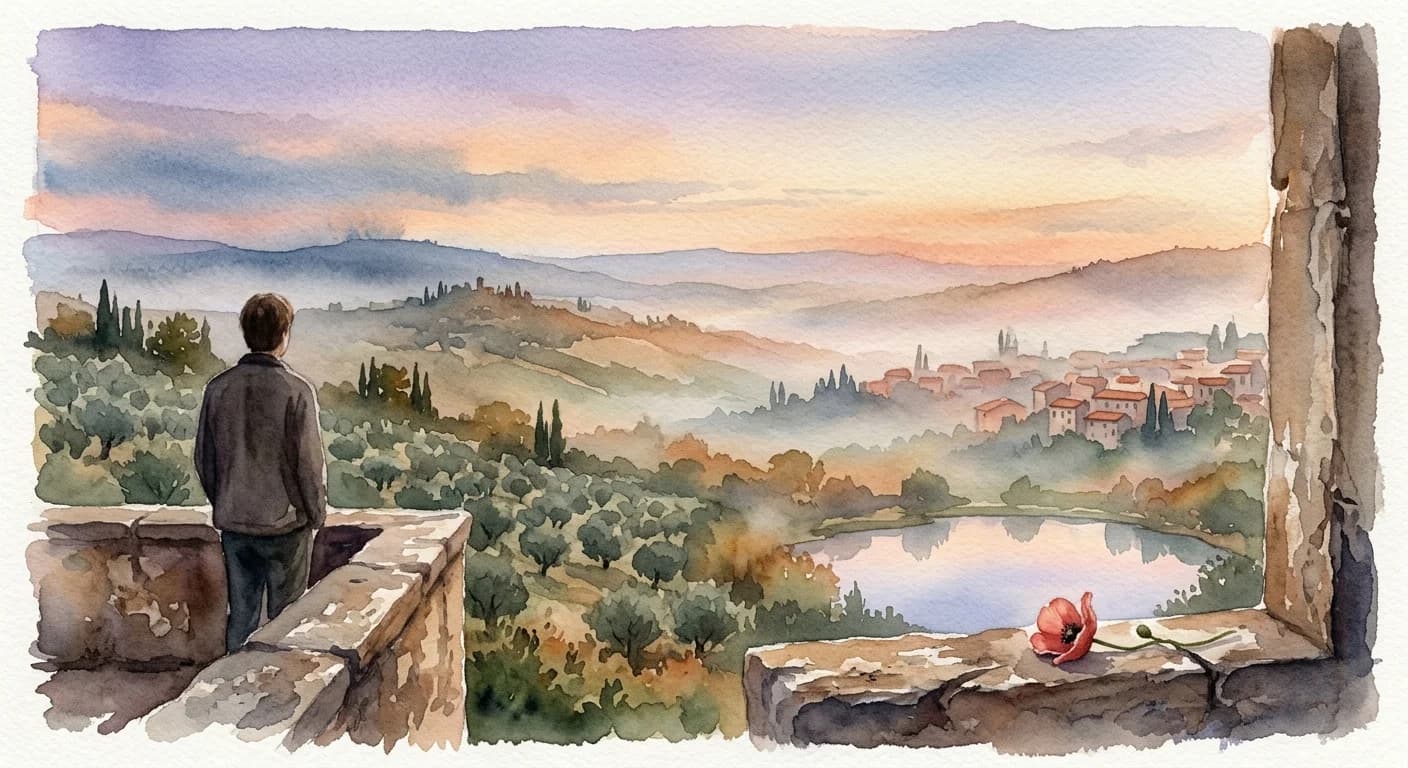
    Artistic representation of Rimpianto
    Italian•
    🇮🇹Italy

    Rimpianto

    /reem-pee-AHN-toh/

    Meaning

    Rimpianto is a profound, melancholic yearning for what might have been or what can no longer be, transcending simple regret. It's the ache of a missed opportunity, a path not taken, or a relationship that faded, tinged with a bittersweet acknowledgment of its inherent beauty or significance. This feeling often carries a wistful quality, recognizing the value of what is gone while lamenting its absence, a complex emotional state that speaks to the human experience of loss and the enduring power of memory and unfulfilled potential.

    Literal Translation

    regret, remorse, sorrow

    The Story Behind the Word

    The concept of 'rimpianto' is deeply embedded in Italian culture, which often values a rich emotional life and a connection to history and personal narrative. Unlike a fleeting regret, 'rimpianto' speaks to a more enduring sorrow, a 'longing for what was' or 'what could have been,' reflecting a cultural tendency towards introspection and a deep appreciation for the past, both personal and collective. Italian art, literature, and music are replete with themes of lost love, missed chances, and the passage of time, all resonating with the sentiment of 'rimpianto.' It suggests a worldview where life's journey is not just about progress, but also about the indelible marks left by choices made and not made, and the emotional landscape shaped by those echoes. This word highlights a cultural comfort with expressing deep, sometimes unresolved, emotional states, rather than simply moving on.

    Experience It

    The Unsent Letter

    Many years later, Paolo still felt a sharp rimpianto for not sending that letter to Giulia. He often wondered how different his life might have been if he had confessed his feelings, a persistent pang for a love story that never began.

    A Path Not Taken

    Gazing at the old map of Patagonia, Sofia was overcome by a deep rimpianto for the adventurous life she'd dreamed of in her youth but never pursued. The image of the mountains brought a wistful ache for the wild experiences she exchanged for a safer, more conventional path.

    The Deeper Meaning

    Rimpianto illuminates a philosophical perspective where human experience is not solely defined by present realities but also by the weight of past possibilities and unfulfilled futures. It underscores the profound impact of memory and imagination on our emotional well-being, suggesting that our identity is intricately woven with both what we have gained and what we have irrevocably lost or foregone, highlighting the inherent bittersweetness of existence and choice.

    Did You Know?

    While often about personal loss, 'rimpianto' can also be collective, like a nation's 'rimpianto' for a lost golden age or a cultural heritage that has faded over time.

    How It's Used

    Used to express a deep sense of regret or sorrow for something lost or missed, often with a melancholic and wistful tone.

    Emotions
    bittersweet,longing,melancholy
    Contexts
    farewell,seasons
    🇮🇹Italy

    by Sofia Rossi·Written Mar 14, 2026·Updated Apr 3, 2026

    Related Words

    Explore more
    HyggeDanish

    Hygge is more than mere coziness; it's a holistic embrace of comfort, warmth, and belonging that nourishes the soul. It describes the intentional creation of an intimate atmosphere where simple pleasures, genuine connection, and mindful presence converge, fostering a profound sense of contentment and well-being. It's about finding joy and peace in the small, everyday moments, often shared with loved ones.

    SaudadePortuguese

    Saudade encapsulates a profound, melancholic longing for something or someone cherished that is absent, often with the bittersweet knowledge that it may never return. It's a deep emotional state tinged with nostalgia, evoking a sense of loss for past experiences, places, or people, yet also holding a tender appreciation for the beauty of what once was. This yearning is not merely sadness, but a complex tapestry of desire, memory, and a poignant acceptance of absence, holding the beloved in a warm, persistent embrace within the heart.

    GezelligDutch

    Gezellig encapsulates a profound sense of warmth, belonging, and convivial comfort, extending beyond mere coziness to embrace the social and emotional atmosphere. It's the feeling of being truly at ease, surrounded by good company, laughter, and a shared sense of contentment. This untranslatable term describes not just a physical space, but a holistic experience where time seems to slow down, fostering genuine connection and a deep sense of well-being.

    Dolce far nienteItalian

    Dolce far niente captures the profound joy and effortless pleasure derived from simply existing without obligation or purpose. It's the art of savoring moments of pure, unadulterated idleness – lying in the sun, watching the clouds drift, or enjoying a leisurely coffee – not as a break from work, but as a valuable state in itself. This 'sweetness of doing nothing' is a conscious embrace of stillness and contentment, allowing the soul to breathe and the senses to fully engage with the present.