U.
HomeRegionsLanguagesEmotionsCollections
Find Your Word

“The limits of my language mean the limits of my world.”

— Ludwig Wittgenstein, Philosopher

Untranslatable

A curated collection of the world's most beautiful expressions—words that remind us language is humanity's greatest invention.

  • Home
  • Collections
  • Regions
  • Countries
  • Emotions
  • Tags
  • Contexts
  • Finder
  • Europe
  • Asia
  • Americas
  • Africa
  • Middle East
  • About
  • Contact
  • Privacy Policy
  • Terms of Service

2026 © Untranslatable. All rights reserved.

    /
    /
    1. Home
    2. /
    3. Europe
    4. /
    5. Sapere aude
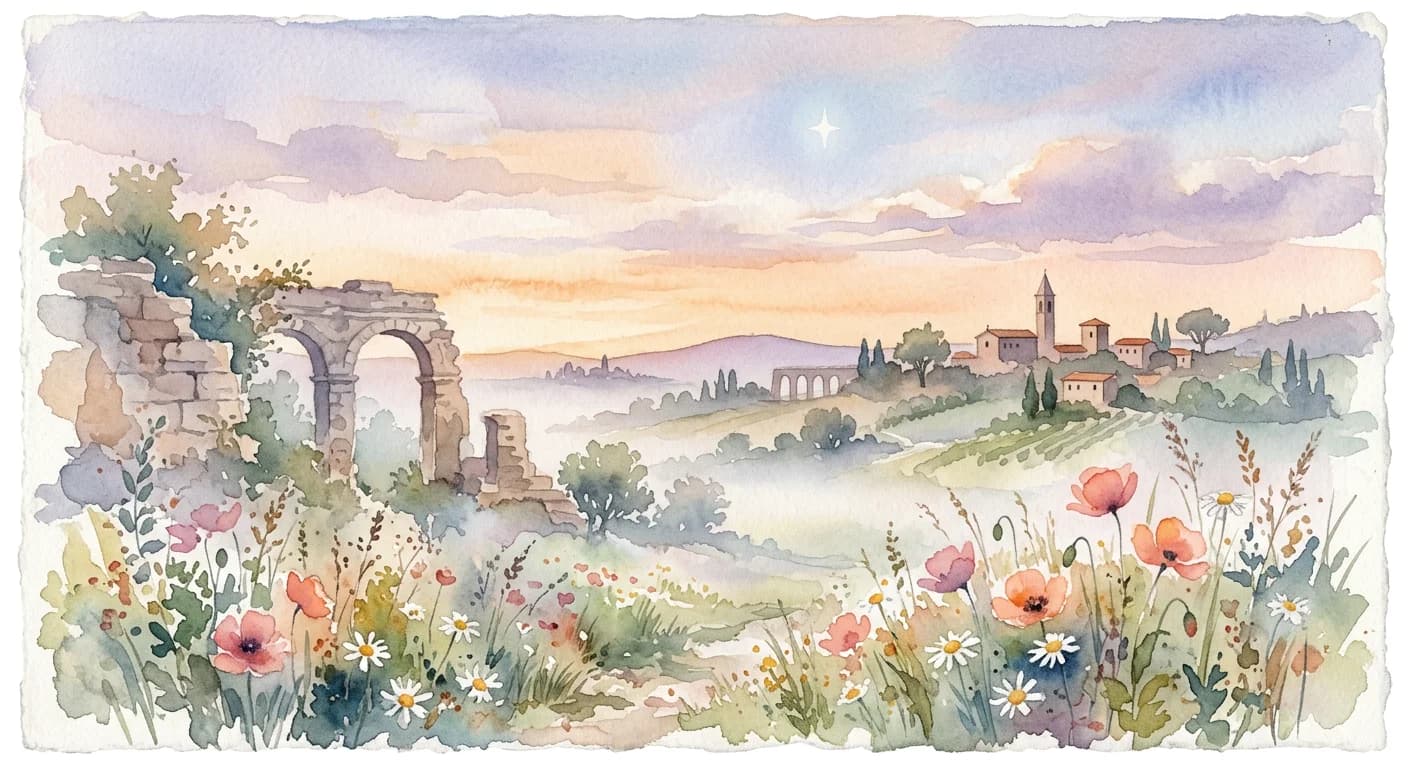
    Artistic representation of Sapere aude
    Latin•
    🇮🇹Italy

    Sapere aude

    /SAH-peh-reh OW-deh/

    Meaning

    More than a mere suggestion to acquire knowledge, "Sapere aude" is a clarion call to intellectual bravery. It implores individuals to cast aside the shackles of dogma, blind obedience, and inherited wisdom, daring to engage their own intellect to scrutinize the world. This potent maxim champions the courage required to question, to challenge authority, and to forge one's own understanding, thereby achieving true intellectual emancipation and self-direction.

    Literal Translation

    To know dare

    The Story Behind the Word

    Originating from Horace's Epistles and famously popularized by Immanuel Kant during the Enlightenment, "Sapere aude" became the rallying cry for an era defined by reason and challenging established norms. In 18th-century Europe, where monarchical and ecclesiastical authority often dictated thought, this phrase was revolutionary. It encapsulated the burgeoning belief that humanity could, and should, mature beyond intellectual tutelage, embracing individual autonomy in thought and action. It reflects a profound shift in how Western culture viewed the individual's relationship to knowledge and power, moving from passive reception to active, critical engagement. The phrase endures as a testament to the enduring human aspiration for intellectual freedom and the courage to pursue truth independently.

    Experience It

    Challenging the Status Quo

    A young scientist, faced with a prevailing theory that doesn't quite fit her observations, feels the weight of established academic consensus. Remembering "Sapere aude," she gathers her evidence, drafts a paper presenting her alternative hypothesis, and prepares to defend it against skepticism, daring to challenge the intellectual giants in her field.

    Personal Epiphany

    After years of following a particular political ideology without deep introspection, a citizen begins to read diverse perspectives and question long-held beliefs. It's uncomfortable and challenging, but they embrace the spirit of "Sapere aude," choosing to critically re-evaluate their convictions rather than simply adhering to what they've always known.

    The Deeper Meaning

    This phrase embodies the core Enlightenment ideal of human intellectual maturity and autonomy. It posits that true freedom and progress stem from individuals' willingness to use their own reason, rejecting external impositions on thought. It's a foundational statement for critical thinking, secularism, and the scientific method, highlighting a worldview where individual intellectual courage is paramount to societal advancement.

    Did You Know?

    While Kant famously used it, the phrase "Sapere aude" actually originated with the Roman poet Horace in his Epistles (20 BC), as part of a longer passage encouraging a life of wisdom and moderation.

    How It's Used

    The phrase is used as a motto or guiding principle, particularly in academic, philosophical, and intellectual contexts, encouraging independent thought and the pursuit of knowledge.

    Emotions
    gratitude,hope,wonder
    Contexts
    education,solitude,work
    🇮🇹Italy

    by Sofia Rossi·Written Mar 14, 2026·Updated Apr 3, 2026

    Related Words

    Explore more
    HyggeDanish

    Hygge is more than mere coziness; it's a holistic embrace of comfort, warmth, and belonging that nourishes the soul. It describes the intentional creation of an intimate atmosphere where simple pleasures, genuine connection, and mindful presence converge, fostering a profound sense of contentment and well-being. It's about finding joy and peace in the small, everyday moments, often shared with loved ones.

    SaudadePortuguese

    Saudade encapsulates a profound, melancholic longing for something or someone cherished that is absent, often with the bittersweet knowledge that it may never return. It's a deep emotional state tinged with nostalgia, evoking a sense of loss for past experiences, places, or people, yet also holding a tender appreciation for the beauty of what once was. This yearning is not merely sadness, but a complex tapestry of desire, memory, and a poignant acceptance of absence, holding the beloved in a warm, persistent embrace within the heart.

    GezelligDutch

    Gezellig encapsulates a profound sense of warmth, belonging, and convivial comfort, extending beyond mere coziness to embrace the social and emotional atmosphere. It's the feeling of being truly at ease, surrounded by good company, laughter, and a shared sense of contentment. This untranslatable term describes not just a physical space, but a holistic experience where time seems to slow down, fostering genuine connection and a deep sense of well-being.

    Dolce far nienteItalian

    Dolce far niente captures the profound joy and effortless pleasure derived from simply existing without obligation or purpose. It's the art of savoring moments of pure, unadulterated idleness – lying in the sun, watching the clouds drift, or enjoying a leisurely coffee – not as a break from work, but as a valuable state in itself. This 'sweetness of doing nothing' is a conscious embrace of stillness and contentment, allowing the soul to breathe and the senses to fully engage with the present.