U.
HomeRegionsLanguagesEmotionsCollections
Find Your Word

“The limits of my language mean the limits of my world.”

— Ludwig Wittgenstein, Philosopher

Untranslatable

A curated collection of the world's most beautiful expressions—words that remind us language is humanity's greatest invention.

  • Home
  • Collections
  • Regions
  • Countries
  • Emotions
  • Tags
  • Contexts
  • Finder
  • Europe
  • Asia
  • Americas
  • Africa
  • Middle East
  • About
  • Contact
  • Privacy Policy
  • Terms of Service

2026 © Untranslatable. All rights reserved.

    /
    /
    1. Home
    2. /
    3. Asia
    4. /
    5. Shiritori
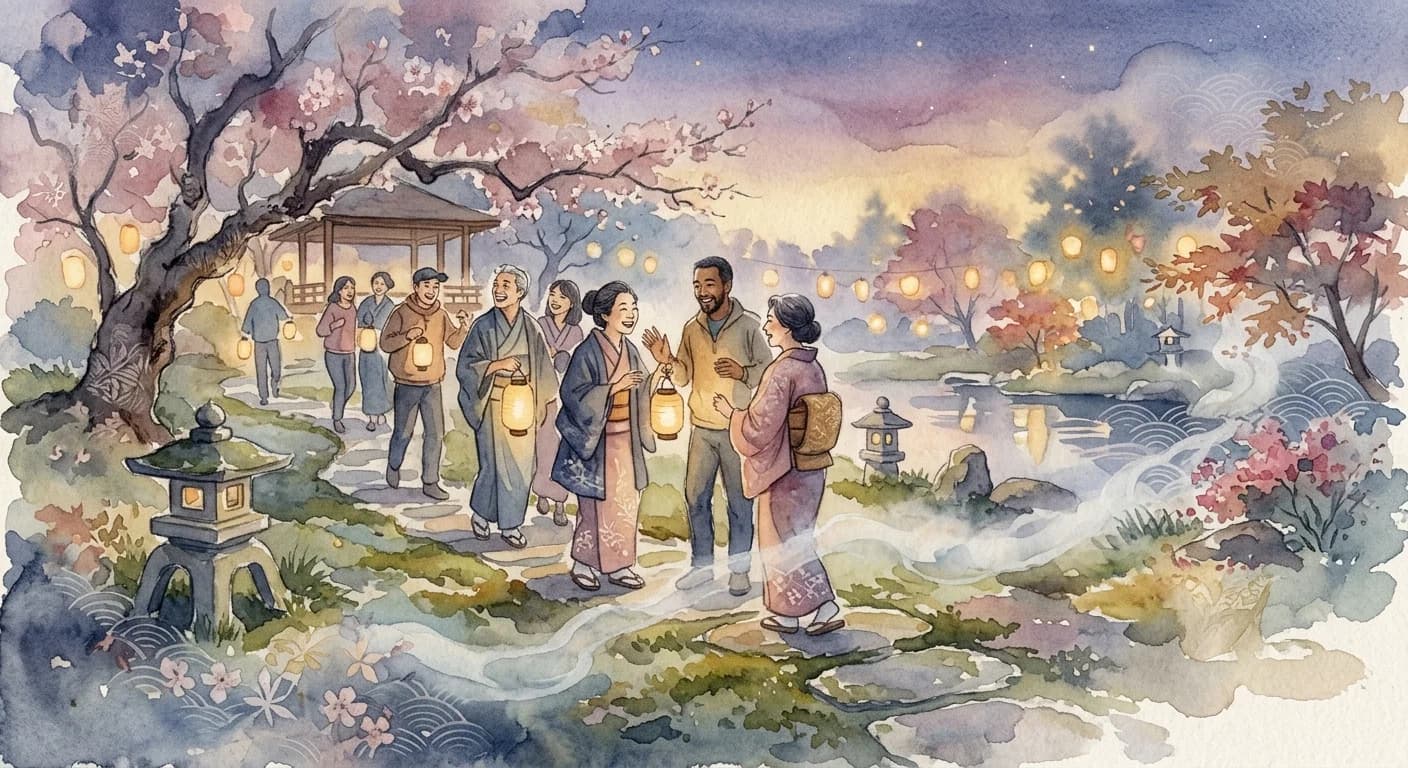
    Artistic representation of Shiritori
    Japanese•
    🇯🇵Japan

    Shiritori

    /shee-ree-toh-ree/

    Meaning

    Shiritori is a beloved Japanese word chain game where participants take turns uttering a word that commences with the final kana (syllable) of the preceding word. More than just a linguistic exercise, it's a dynamic interplay of swift recall and strategic thinking, deeply embedded in Japanese social interactions. This seemingly simple game playfully illuminates the intricate phonological structure of the Japanese language, transforming vocabulary practice into an engaging and often humorous communal activity.

    Literal Translation

    taking the word

    The Story Behind the Word

    Shiritori, meaning 'taking the word,' reflects Japan's deep appreciation for language, order, and communal engagement. Its existence highlights a cultural value placed on mental agility and the nuanced understanding of one's native tongue, often seen as a gentle form of intellectual exercise. The game's structure, where one word seamlessly leads to the next, mirrors a cultural inclination towards continuity and interconnectedness, rather than abrupt breaks. It's a testament to how play can be a vehicle for reinforcing cultural norms of harmony and shared experience, fostering bonds through a shared linguistic challenge. The ability to play Shiritori well is often subtly admired, showcasing a rich vocabulary and quick wit, traits valued within Japanese society.

    Experience It

    Family Dinner Fun

    During a lull in conversation at a family dinner, young Kenji spontaneously shouts 'Shiritori!' His grandmother smiles, starting with 'ringo' (apple). Kenji quickly responds with 'gorilla,' and the game continues around the table, filling the room with laughter and playful concentration.

    Commute Time Killer

    On a long train ride, two high school students, bored with their phones, decide to play Shiritori. 'Sensei' (teacher) starts one, followed by 'eiga' (movie). The rhythmic back-and-forth helps pass the time, demonstrating how the game is a versatile, engaging pastime.

    The Deeper Meaning

    Shiritori subtly reveals a Japanese worldview that values structure and interconnectedness. The game's linear progression, where each word is directly born from the last, mirrors a cultural appreciation for cause-and-effect and the continuous flow of existence. It suggests that even in play, there's an underlying order and a reliance on the preceding element, reflecting a harmonious, rather than disruptive, approach to interaction and creation.

    Did You Know?

    There's a special rule in Shiritori: if you end a word with 'n' (ん), you lose, as no Japanese word begins with 'n'. This adds a layer of strategic avoidance to the game!

    How It's Used

    Played as a word game, often casually among friends, children, or during downtime. It can also be used metaphorically to describe a situation where one idea or topic leads directly to another.

    Emotions
    belonging,joy,warmth
    Contexts
    daily life,education,social interaction
    🇯🇵Japan

    by Annelise Dubois·Written Mar 14, 2026·Updated Apr 3, 2026

    Related Words

    Explore more
    GezelligDutch

    Gezellig encapsulates a profound sense of warmth, belonging, and convivial comfort, extending beyond mere coziness to embrace the social and emotional atmosphere. It's the feeling of being truly at ease, surrounded by good company, laughter, and a shared sense of contentment. This untranslatable term describes not just a physical space, but a holistic experience where time seems to slow down, fostering genuine connection and a deep sense of well-being.

    SobremesaSpanish

    Sobremesa is the cherished, often extended period immediately following a meal, particularly lunch or dinner, where diners remain seated at the table to enjoy conversation, coffee, and digest not just the food, but the company itself. It’s a dedicated time for unhurried social bonding, storytelling, and shared laughter, transforming a simple meal into a profound communal experience. Far from just clearing the dishes, sobremesa is an integral part of Spanish social life, often lasting for hours.

    Wabi-sabiJapanese

    Wabi-sabi is the profound appreciation for the ephemeral, the imperfect, and the incomplete aspects of existence. It is about discovering beauty in the subtle textures of age, the unique character of flaws, and the gentle decay that marks the passage of time. This philosophy encourages a quiet acceptance of impermanence and a mindful connection to the natural world, finding elegance in simplicity and authenticity.

    IkigaiJapanese

    Ikigai is more than just a reason to get out of bed; it's a deeply personal and evolving sense of purpose that brings genuine fulfillment and joy to one's life. It represents the sweet spot where your passions, talents, needs of the world, and what you can be paid for beautifully converge. Discovering your ikigai often leads to a life lived with intentionality, resilience, and a profound connection to one's contributions. It's the intrinsic motivation that fuels a meaningful existence, regardless of external circumstances.