U.
HomeRegionsLanguagesEmotionsCollections
Find Your Word

“The limits of my language mean the limits of my world.”

— Ludwig Wittgenstein, Philosopher

Untranslatable

A curated collection of the world's most beautiful expressions—words that remind us language is humanity's greatest invention.

  • Home
  • Collections
  • Regions
  • Countries
  • Emotions
  • Tags
  • Contexts
  • Finder
  • Europe
  • Asia
  • Americas
  • Africa
  • Middle East
  • About
  • Contact
  • Privacy Policy
  • Terms of Service

2026 © Untranslatable. All rights reserved.

    /
    /
    1. Home
    2. /
    3. Europe
    4. /
    5. Szemérmes
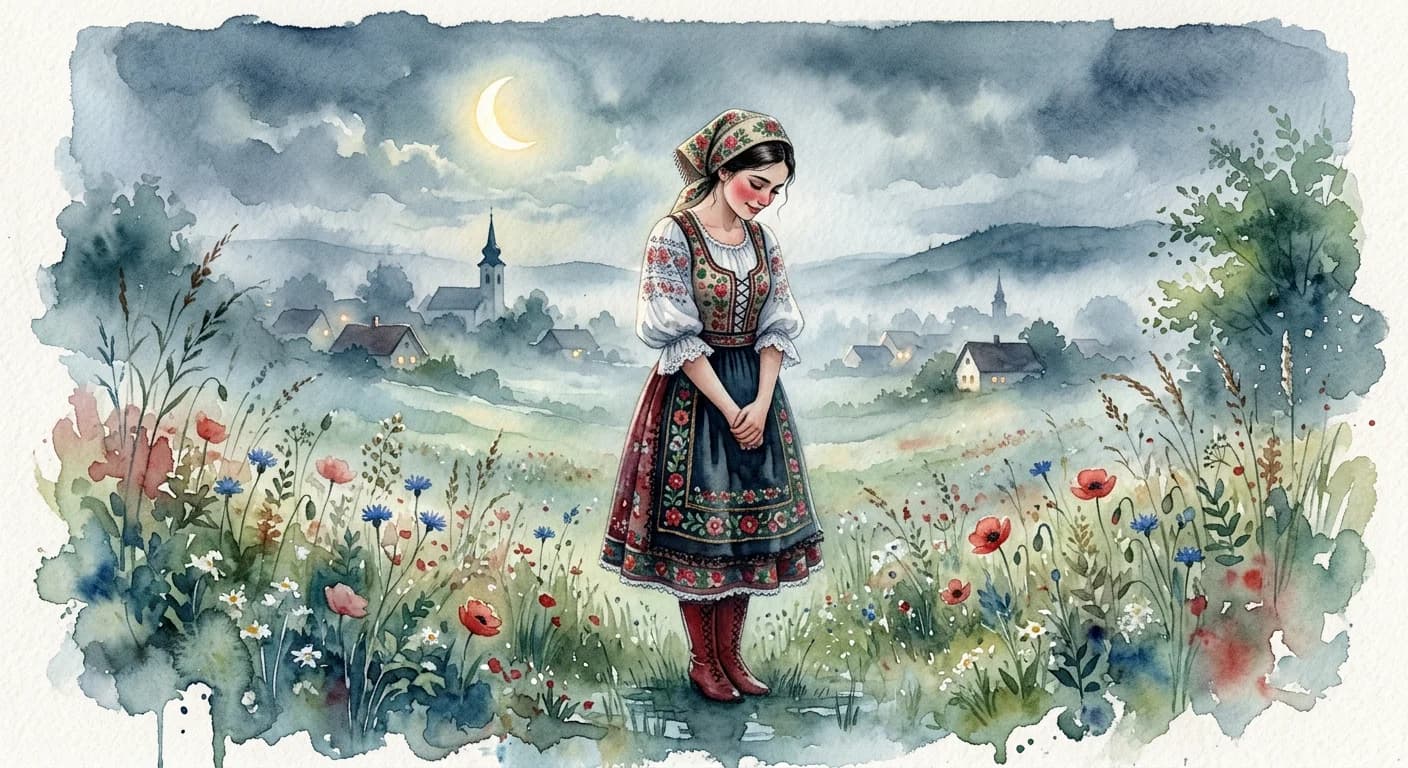
    Artistic representation of Szemérmes
    Hungarian•
    🇭🇺Hungary

    Szemérmes

    /SEM-air-mesh/

    Meaning

    Szemérmes encapsulates a profound, almost sacred, bashfulness and modesty, extending far beyond mere shyness. It describes a person, often a woman, who possesses an innate sense of propriety and a reluctance to overtly display emotions, desires, or even their physical self. This delicate reserve hints at a deeply held inner world, suggesting that true value and sincerity are not readily revealed but must be approached with respect and patience, ultimately offering a more profound connection to those who earn its discovery.

    Literal Translation

    modest, bashful, coy

    The Story Behind the Word

    The concept of 'szemérmes' is deeply rooted in Hungarian cultural values that historically emphasized discretion, humility, and the sanctity of personal boundaries, particularly for women. It reflects a society where public displays of emotion or overt self-promotion were often seen as unrefined or even immodest. This word doesn't just describe a personality trait; it embodies an ideal of quiet dignity and inner strength, where a person's worth is measured not by outward confidence but by their reserved grace and moral integrity. It speaks to a cultural appreciation for depth over superficiality, suggesting that true beauty and character reside in what is subtly hinted at, rather than explicitly stated. It's also tied to religious influences, where virtue and purity were highly prized, and outward modesty was a reflection of inner spiritual state.

    Experience It

    A First Encounter

    At the village dance, young Anna kept her gaze lowered, her smile only a subtle curve of her lips when Ferenc spoke to her. She answered his questions softly, her eyes occasionally flicking up to meet his before quickly retreating, her 'szemérmes' nature making her both captivating and slightly distant.

    Unveiling Talent

    Despite her undeniable artistic talent, Eszter was 'szemérmes' about showing her paintings. It took much coaxing from her friends to display her work, and even then, she would blush and deflect compliments, believing her creations should speak for themselves without her boastful promotion.

    The Deeper Meaning

    Szemérmes reveals a worldview that values the unrevealed and the subtly expressed. It suggests that true essence and emotional depth are not loud or ostentatious, but rather reside in a quiet, protected inner space. This philosophy posits that genuine connection is built on respect, patience, and the slow, earned unveiling of self, rather than immediate transparency or bold self-assertion.

    Did You Know?

    While often used for women, a man can also be described as 'szemérmes' if he exhibits a deep, almost shy, modesty about his achievements or personal life.

    How It's Used

    Used to describe a person, especially a woman, who is shy, modest, and perhaps a bit reserved or demure in their demeanor, often in social or romantic interactions.

    Contexts
    greeting,romance,social interaction
    🇭🇺Hungary

    by Sofia Rossi·Written Mar 14, 2026·Updated Apr 3, 2026

    Related Words

    Explore more
    HyggeDanish

    Hygge is more than mere coziness; it's a holistic embrace of comfort, warmth, and belonging that nourishes the soul. It describes the intentional creation of an intimate atmosphere where simple pleasures, genuine connection, and mindful presence converge, fostering a profound sense of contentment and well-being. It's about finding joy and peace in the small, everyday moments, often shared with loved ones.

    SaudadePortuguese

    Saudade encapsulates a profound, melancholic longing for something or someone cherished that is absent, often with the bittersweet knowledge that it may never return. It's a deep emotional state tinged with nostalgia, evoking a sense of loss for past experiences, places, or people, yet also holding a tender appreciation for the beauty of what once was. This yearning is not merely sadness, but a complex tapestry of desire, memory, and a poignant acceptance of absence, holding the beloved in a warm, persistent embrace within the heart.

    GezelligDutch

    Gezellig encapsulates a profound sense of warmth, belonging, and convivial comfort, extending beyond mere coziness to embrace the social and emotional atmosphere. It's the feeling of being truly at ease, surrounded by good company, laughter, and a shared sense of contentment. This untranslatable term describes not just a physical space, but a holistic experience where time seems to slow down, fostering genuine connection and a deep sense of well-being.

    Dolce far nienteItalian

    Dolce far niente captures the profound joy and effortless pleasure derived from simply existing without obligation or purpose. It's the art of savoring moments of pure, unadulterated idleness – lying in the sun, watching the clouds drift, or enjoying a leisurely coffee – not as a break from work, but as a valuable state in itself. This 'sweetness of doing nothing' is a conscious embrace of stillness and contentment, allowing the soul to breathe and the senses to fully engage with the present.