U.
HomeRegionsLanguagesEmotionsCollections
Find Your Word

“The limits of my language mean the limits of my world.”

— Ludwig Wittgenstein, Philosopher

Untranslatable

A curated collection of the world's most beautiful expressions—words that remind us language is humanity's greatest invention.

  • Home
  • Collections
  • Regions
  • Countries
  • Emotions
  • Tags
  • Contexts
  • Finder
  • Europe
  • Asia
  • Americas
  • Africa
  • Middle East
  • About
  • Contact
  • Privacy Policy
  • Terms of Service

2026 © Untranslatable. All rights reserved.

    /
    /
    1. Home
    2. /
    3. Europe
    4. /
    5. Suaicheantas
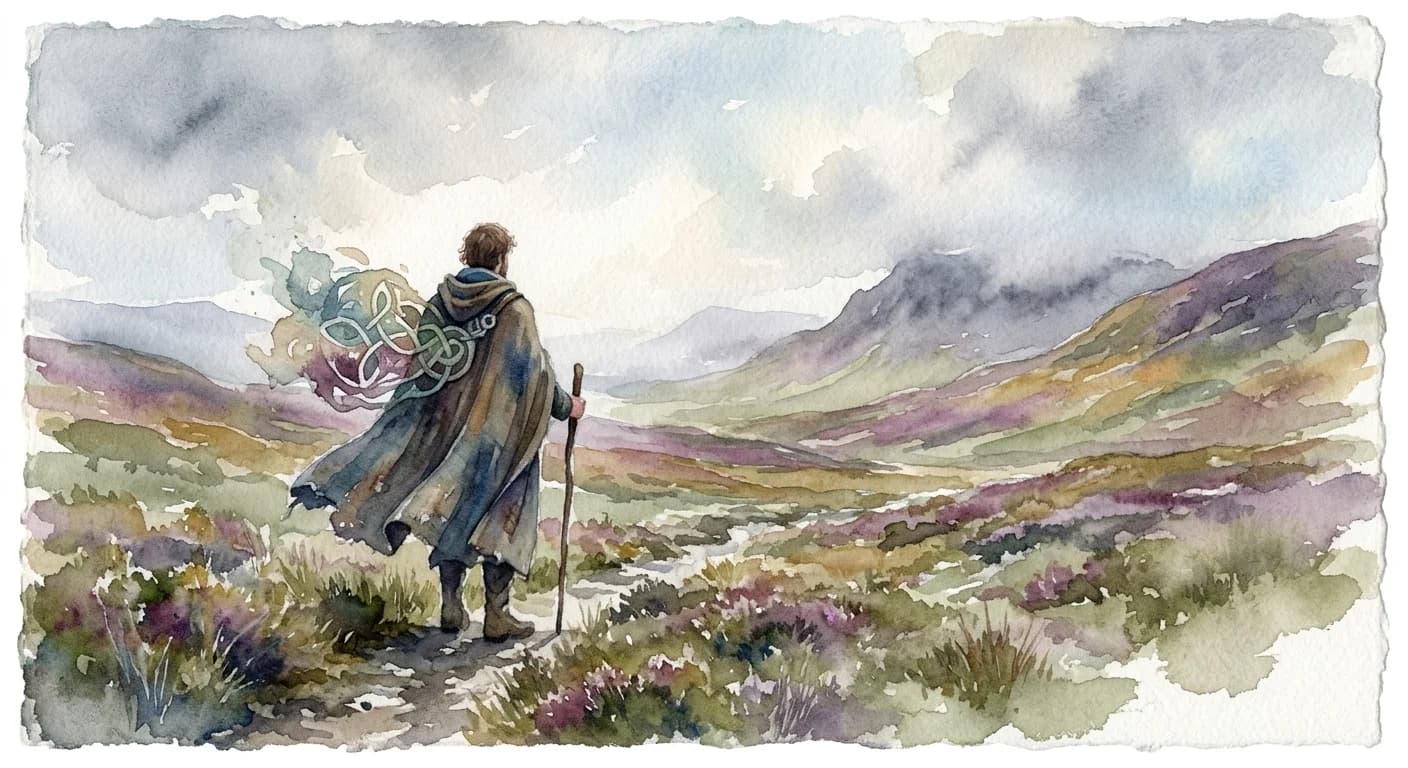
    Artistic representation of Suaicheantas
    Scottish Gaelic•
    🇬🇧United Kingdom

    Suaicheantas

    /SOO-a-khan-tass/

    Meaning

    Suaicheantas is more than a mere emblem; it is a profound visual declaration of identity, alliance, and collective spirit. It encapsulates a deep, often ancestral, connection to a group, cause, or heritage, serving as a tangible manifestation of belonging. Worn or displayed, it acts as a silent yet potent affirmation of shared values and a proud representation of something larger than the individual, resonating with the enduring spirit of Scottish community and history.

    Literal Translation

    emblem, badge, standard

    The Story Behind the Word

    The existence of 'suaicheantas' is deeply rooted in Scotland's history, particularly the clan system and its emphasis on lineage, loyalty, and collective identity. In a society where family and community ties were paramount for survival and social structure, a visible symbol of affiliation was critical. From clan badges featuring specific plants (clan crests often incorporate a 'plant badge') to military standards carried into battle, the suaicheantas served as an immediate identifier of kinsmen and allies. It embodies the Scottish cultural value of 'dùthchas' – an inherent sense of belonging to a place and its people – and the pride in one's heritage. This word reveals a worldview where individual identity is often inextricably linked to communal belonging and historical continuity, a concept still vibrant in contemporary Scottish culture through tartans, crests, and national symbols.

    Experience It

    Clan Gathering Display

    At the annual Highland Games, Alasdair proudly pinned his clan's thistle suaicheantas to his jacket. It wasn't just decorative; it was a silent nod to his ancestors and a visible sign of his connection to the hundreds of others bearing the same emblem, fostering an immediate sense of kinship among strangers.

    Activist's Resolve

    Fiona wore a small, hand-stitched green ribbon as her suaicheantas, representing her commitment to environmental justice. Every time someone asked about it, she felt a renewed sense of purpose, knowing it was a quiet yet powerful statement of her unwavering belief in protecting the land.

    The Deeper Meaning

    Suaicheantas speaks to a fundamental human need for belonging and recognition within a collective. It illustrates the philosophy that individual identity is not solely self-defined but is also deeply interwoven with communal ties, heritage, and shared purpose. It highlights how visual symbols can transcend mere representation to become powerful conduits of cultural memory, solidarity, and the enduring spirit of a people.

    Did You Know?

    Historically, Scottish clan chiefs would give their followers a 'plant badge' – a sprig of a specific plant – to wear as their suaicheantas, easily identifying their allegiance.

    How It's Used

    Used to refer to a personal emblem, badge, or symbol that represents identity, affiliation, or a cause. It can be a physical item worn or a symbolic representation.

    Emotions
    belonging,pride
    Contexts
    cultural identity,social interaction
    🇬🇧United Kingdom

    by Annelise Dubois·Written Mar 14, 2026·Updated Apr 3, 2026

    Related Words

    Explore more
    HyggeDanish

    Hygge is more than mere coziness; it's a holistic embrace of comfort, warmth, and belonging that nourishes the soul. It describes the intentional creation of an intimate atmosphere where simple pleasures, genuine connection, and mindful presence converge, fostering a profound sense of contentment and well-being. It's about finding joy and peace in the small, everyday moments, often shared with loved ones.

    SaudadePortuguese

    Saudade encapsulates a profound, melancholic longing for something or someone cherished that is absent, often with the bittersweet knowledge that it may never return. It's a deep emotional state tinged with nostalgia, evoking a sense of loss for past experiences, places, or people, yet also holding a tender appreciation for the beauty of what once was. This yearning is not merely sadness, but a complex tapestry of desire, memory, and a poignant acceptance of absence, holding the beloved in a warm, persistent embrace within the heart.

    GezelligDutch

    Gezellig encapsulates a profound sense of warmth, belonging, and convivial comfort, extending beyond mere coziness to embrace the social and emotional atmosphere. It's the feeling of being truly at ease, surrounded by good company, laughter, and a shared sense of contentment. This untranslatable term describes not just a physical space, but a holistic experience where time seems to slow down, fostering genuine connection and a deep sense of well-being.

    Dolce far nienteItalian

    Dolce far niente captures the profound joy and effortless pleasure derived from simply existing without obligation or purpose. It's the art of savoring moments of pure, unadulterated idleness – lying in the sun, watching the clouds drift, or enjoying a leisurely coffee – not as a break from work, but as a valuable state in itself. This 'sweetness of doing nothing' is a conscious embrace of stillness and contentment, allowing the soul to breathe and the senses to fully engage with the present.