U.
HomeRegionsLanguagesEmotionsCollections
Find Your Word

“The limits of my language mean the limits of my world.”

— Ludwig Wittgenstein, Philosopher

Untranslatable

A curated collection of the world's most beautiful expressions—words that remind us language is humanity's greatest invention.

  • Home
  • Collections
  • Regions
  • Countries
  • Emotions
  • Tags
  • Contexts
  • Finder
  • Europe
  • Asia
  • Americas
  • Africa
  • Middle East
  • About
  • Contact
  • Privacy Policy
  • Terms of Service

2026 © Untranslatable. All rights reserved.

    /
    /
    1. Home
    2. /
    3. Europe
    4. /
    5. Encalhado
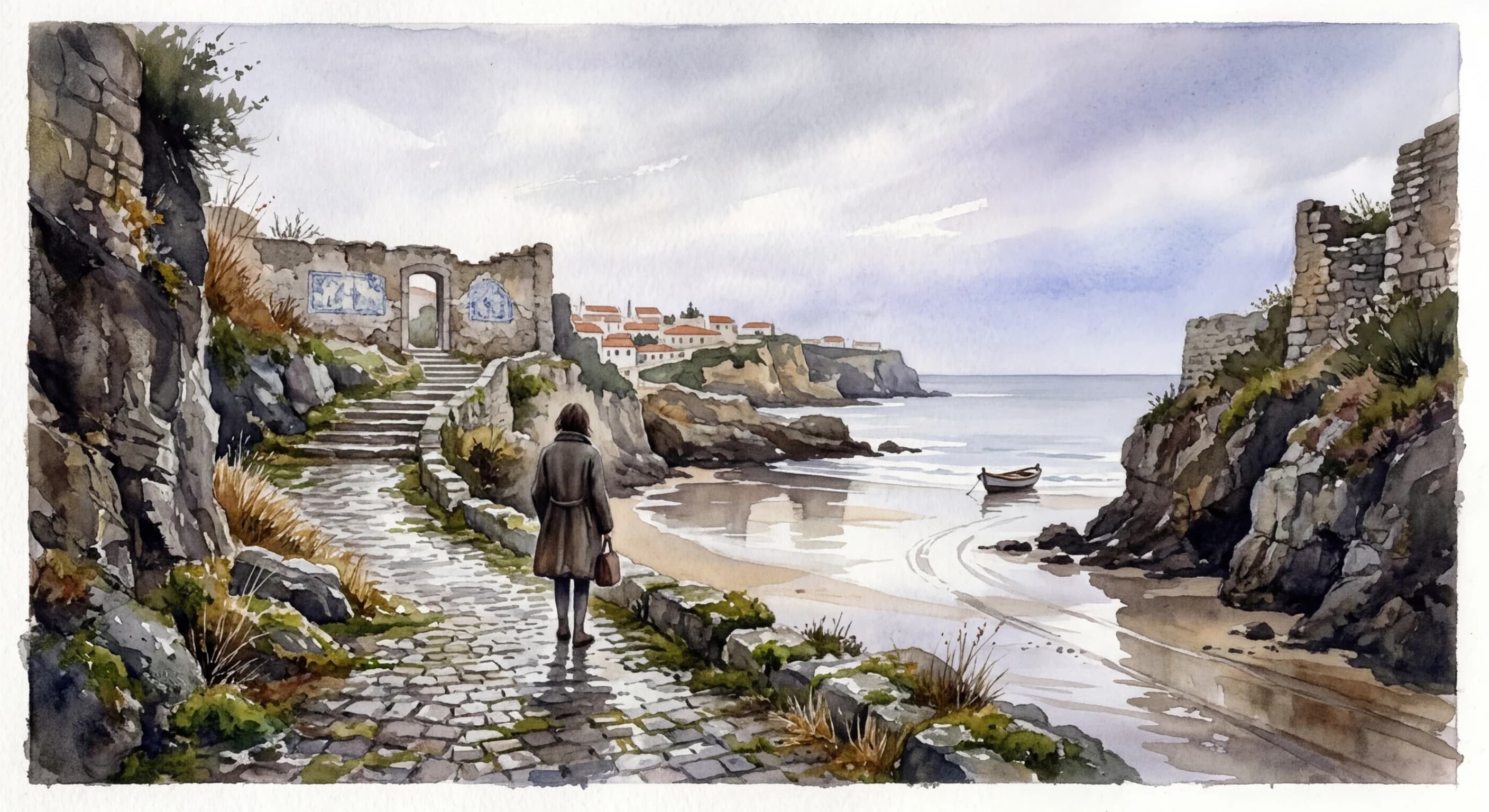
    Artistic representation of Encalhado
    Portuguese•
    🇦🇴Angola🇧🇷Brazil🇨🇻Cape Verde🇬🇼Guinea-Bissau🇲🇿Mozambique🇵🇹Portugal🇸🇹São Tomé and Príncipe🇹🇱Timor-Leste

    Encalhado

    /en-kah-LYAH-doo/

    Meaning

    Originally describing a ship helplessly stuck on the seabed or shore, 'encalhado' vividly portrays a human experience of profound stagnation. It captures the frustrating and often debilitating sensation of being unable to advance, whether in one's career, relationships, or personal growth. This feeling transcends mere inconvenience, embodying a deep sense of unfulfilled potential and the heavy burden of being trapped, unable to navigate towards desired outcomes or significant progress.

    Literal Translation

    Grounded (as in a ship)

    The Story Behind the Word

    The evocative power of 'encalhado' is deeply rooted in Portugal's maritime history and the inherent challenges of seafaring. For a nation whose identity was forged on exploration and discovery, a grounded ship represented not just a physical impediment but a crushing blow to ambition and purpose. This historical experience imbued the word with a profound sense of helplessness against powerful, indifferent forces. In contemporary usage, it reflects a society that often grapples with economic precarity and bureaucratic hurdles, where individuals frequently feel their aspirations are 'stuck' despite their efforts. It also speaks to a cultural narrative that, while valuing resilience, acknowledges the often-present feeling of being at the mercy of circumstances, a common thread in Fado music's melancholic reflections.

    Experience It

    Career Stagnation

    After years in the same entry-level position, João felt utterly 'encalhado.' He applied for promotions, took extra courses, but every door seemed closed, leaving him feeling like his career ship was permanently stuck in shallow waters.

    Relationship Limbo

    Maria's relationship had been going nowhere for years; they neither progressed nor broke up. She confided in a friend, 'Sinto-me tão encalhada,' expressing the deep frustration of being unable to move forward or backward.

    The Deeper Meaning

    This word encapsulates a worldview that recognizes human limitations against larger forces, be they economic, societal, or fate itself. It suggests that despite best intentions and efforts, individuals can find themselves in situations where agency is diminished, fostering a sense of resigned realism. Yet, within this acknowledgment of being 'stuck,' there often lies a quiet hope for the tide to turn or a new path to emerge, reflecting a resilient spirit amidst adversity.

    Did You Know?

    Did you know 'encalhado' can also be used humorously to describe someone who is single and seemingly unable to find a partner, as if 'stuck' without a romantic port?

    How It's Used

    Used to describe a person, project, or situation that is stuck, unable to progress, or facing insurmountable obstacles.

    Emotions
    anger,hope,longing,melancholy
    Contexts
    daily life,travel,work
    🇦🇴Angola🇧🇷Brazil🇨🇻Cape Verde🇬🇼Guinea-Bissau🇲🇿Mozambique🇵🇹Portugal🇸🇹São Tomé and Príncipe🇹🇱Timor-Leste

    by Anya Petrova·Written Mar 10, 2026·Updated Apr 3, 2026

    Related Words

    Explore more
    HyggeDanish

    Hygge is more than mere coziness; it's a holistic embrace of comfort, warmth, and belonging that nourishes the soul. It describes the intentional creation of an intimate atmosphere where simple pleasures, genuine connection, and mindful presence converge, fostering a profound sense of contentment and well-being. It's about finding joy and peace in the small, everyday moments, often shared with loved ones.

    SaudadePortuguese

    Saudade encapsulates a profound, melancholic longing for something or someone cherished that is absent, often with the bittersweet knowledge that it may never return. It's a deep emotional state tinged with nostalgia, evoking a sense of loss for past experiences, places, or people, yet also holding a tender appreciation for the beauty of what once was. This yearning is not merely sadness, but a complex tapestry of desire, memory, and a poignant acceptance of absence, holding the beloved in a warm, persistent embrace within the heart.

    GezelligDutch

    Gezellig encapsulates a profound sense of warmth, belonging, and convivial comfort, extending beyond mere coziness to embrace the social and emotional atmosphere. It's the feeling of being truly at ease, surrounded by good company, laughter, and a shared sense of contentment. This untranslatable term describes not just a physical space, but a holistic experience where time seems to slow down, fostering genuine connection and a deep sense of well-being.

    Dolce far nienteItalian

    Dolce far niente captures the profound joy and effortless pleasure derived from simply existing without obligation or purpose. It's the art of savoring moments of pure, unadulterated idleness – lying in the sun, watching the clouds drift, or enjoying a leisurely coffee – not as a break from work, but as a valuable state in itself. This 'sweetness of doing nothing' is a conscious embrace of stillness and contentment, allowing the soul to breathe and the senses to fully engage with the present.