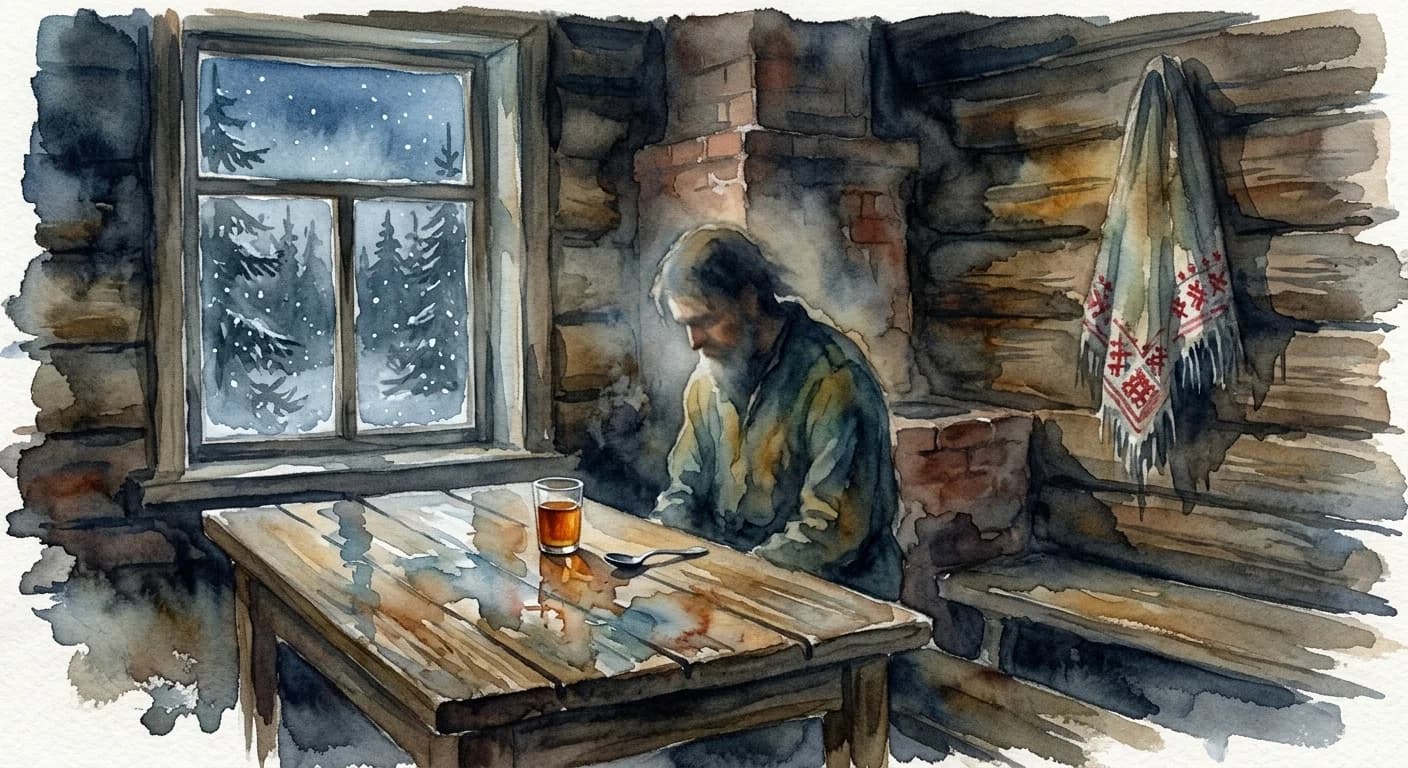
Zapoi
/zah-POY/
Meaning
Zapoi describes a harrowing state of prolonged, heavy drinking that transcends mere inebriation; it's a cyclical, often multi-day descent into intoxication where an individual loses all self-control and connection to reality. During a zapoi, responsibilities—work, family, even basic hygiene—are utterly abandoned, replaced by an obsessive pursuit of the next drink. This deeply ingrained cultural phenomenon reflects a profound despair and an almost ritualistic surrender to alcohol, making escape from its grasp incredibly difficult.
Literal Translation
From 'запой' (zapoy), meaning 'binge' or 'drinking bout'.
The Story Behind the Word
The concept of zapoi is deeply woven into Russian cultural fabric, reflecting centuries of hardship, social upheaval, and a complex relationship with alcohol. Historically, alcohol, particularly vodka, often served as a coping mechanism against harsh climates, political oppression, and economic instability. Zapoi isn't merely excessive drinking; it's a societal acknowledgment of a specific, prolonged alcoholic state, hinting at a fatalistic acceptance and a lack of readily available alternatives for dealing with profound emotional or existential crises. It reveals a cultural understanding that some individuals, faced with overwhelming circumstances, may withdraw into a self-destructive cycle, and it carries with it a mixture of pity, shame, and a resigned understanding of human frailty under duress. The word itself suggests a 'going into' or 'diving into' drink, implying a deliberate, albeit self-destructive, immersion.
Experience It
The Absent Neighbor
For three days, Ivan hasn't shown up for work, his phone goes straight to voicemail, and his apartment lights are off. His neighbors shake their heads, whispering, 'He's in a zapoi again.' They know it's pointless to try and reach him until he resurfaces, exhausted and remorseful.
Missed Family Gathering
Elena prepared a big meal for her brother's birthday, but he never arrived. Her mother sighed, 'He started a zapoi this morning. There's no pulling him out now.' The family understands this isn't a simple no-show, but an unavoidable, albeit heartbreaking, absence.
The Deeper Meaning
Zapoi reveals a profoundly nuanced perspective on agency and despair within Russian culture. It suggests that under certain pressures, individuals can enter a state so overwhelming that personal responsibility becomes secondary to an almost primal need for oblivion. This word speaks to a fatalistic acceptance of human weakness and the cyclical nature of suffering, where self-destruction can become a temporary, albeit devastating, escape from an unbearable reality.
Did You Know?
During the Soviet era, special medical brigades known as 'vypuskniki' (graduates) would sometimes be called to homes to help individuals recover from severe zapoi episodes, highlighting its societal recognition.
How It's Used
Used to describe a period of intense, uncontrolled, and prolonged alcohol consumption, often implying a loss of self-control and a withdrawal from normal life.