U.
HomeRegionsLanguagesEmotionsCollections
Find Your Word

“The limits of my language mean the limits of my world.”

— Ludwig Wittgenstein, Philosopher

Untranslatable

A curated collection of the world's most beautiful expressions—words that remind us language is humanity's greatest invention.

  • Home
  • Collections
  • Regions
  • Countries
  • Emotions
  • Tags
  • Contexts
  • Finder
  • Europe
  • Asia
  • Americas
  • Africa
  • Middle East
  • About
  • Contact
  • Privacy Policy
  • Terms of Service

2026 © Untranslatable. All rights reserved.

    /
    /
    1. Home
    2. /
    3. Asia
    4. /
    5. Aka
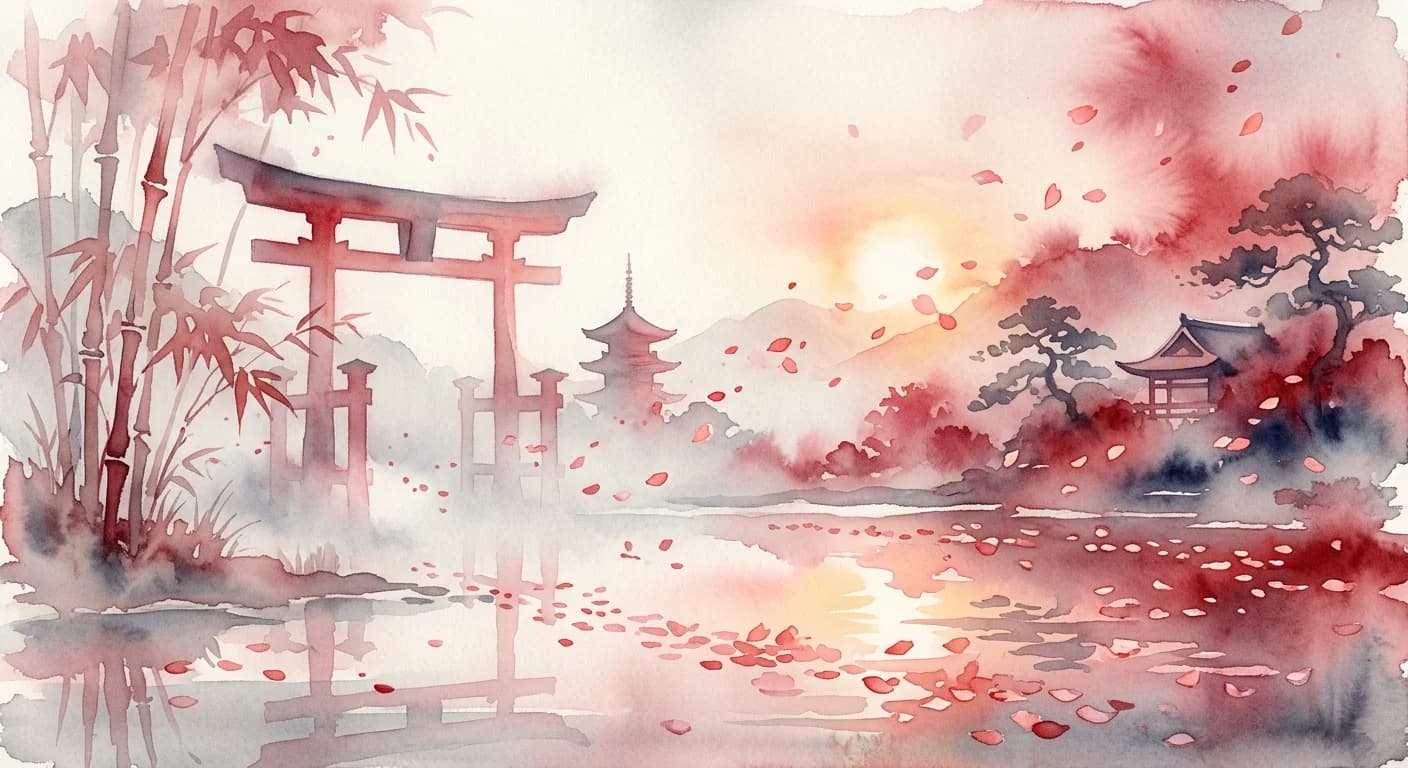
    Artistic representation of Aka
    Japanese•
    🇯🇵Japan

    Aka

    /AH-kah/

    Meaning

    In Japanese, 'aka' (赤) transcends a simple color, embodying a vibrant spectrum of vitality, passion, and the very essence of life. It's intrinsically linked to auspiciousness, frequently adorning celebrations, symbolizing good fortune, and serving as a potent ward against malevolent spirits. This pervasive use, from the fiery glow of festival lanterns to the protective embrace of Shinto shrine gates and the authoritative mark of personal seals, imbues 'aka' with a dynamic energy and profound positive significance that a mere translation of 'red' utterly fails to convey.

    Literal Translation

    red

    The Story Behind the Word

    The deep cultural significance of 'aka' in Japan is rooted in ancient animistic beliefs and its association with the sun and fire, both powerful life-giving and protective forces. Historically, red pigments were among the first colors humans could create, lending them a primal power. In Shintoism, red is seen as a color of purification and protection, hence its prominent use in torii gates, which mark the transition from the mundane to the sacred. During the Heian period, red was a color of high status and power, worn by the imperial court and samurai. This historical reverence, coupled with its visual vibrancy, solidified 'aka' as a symbol of energy, passion, and a potent talisman against misfortune, reflecting a worldview that values life's vigor and seeks to ward off negativity.

    Experience It

    Festival Lanterns Glow

    Under the warm summer night sky, a young family walks through a local festival. The air hums with excitement, and hundreds of 'aka' lanterns strung overhead cast a festive, protective glow, their vibrant color promising good fortune and warding off any ill luck for the celebrants.

    New Year's Good Luck

    On New Year's Day, a grandmother meticulously prepares traditional dishes. She places a small 'aka' daruma doll on the family altar, its intense red color symbolizing perseverance and good luck for the year ahead, a silent wish for health and prosperity.

    The Deeper Meaning

    The pervasive use of 'aka' reveals a deeply ingrained Japanese philosophy that actively seeks to embrace and manifest vitality, protection, and auspiciousness in daily life. It reflects a cultural inclination to harness the symbolic power of color not merely for aesthetics, but as a tangible force for well-being, celebration, and the warding off of negative influences, illustrating a holistic approach to fortune and existence.

    Did You Know?

    Did you know that in traditional Japanese weddings, the bride often wears a 'shiromuku' (white kimono) for the ceremony, but then changes into an 'iro-uchikake' which is frequently a vivid 'aka' to symbolize good luck and a new beginning?

    How It's Used

    The word 'aka' is used as a color descriptor in everyday Japanese conversation. It also appears in compound words and idiomatic expressions related to celebrations, passion, and life events.

    Emotions
    hope,joy,warmth
    Contexts
    celebration,greeting,seasons
    🇯🇵Japan

    by Annelise Dubois·Written Mar 14, 2026·Updated Apr 3, 2026

    Related Words

    Explore more
    GezelligDutch

    Gezellig encapsulates a profound sense of warmth, belonging, and convivial comfort, extending beyond mere coziness to embrace the social and emotional atmosphere. It's the feeling of being truly at ease, surrounded by good company, laughter, and a shared sense of contentment. This untranslatable term describes not just a physical space, but a holistic experience where time seems to slow down, fostering genuine connection and a deep sense of well-being.

    Wabi-sabiJapanese

    Wabi-sabi is the profound appreciation for the ephemeral, the imperfect, and the incomplete aspects of existence. It is about discovering beauty in the subtle textures of age, the unique character of flaws, and the gentle decay that marks the passage of time. This philosophy encourages a quiet acceptance of impermanence and a mindful connection to the natural world, finding elegance in simplicity and authenticity.

    IkigaiJapanese

    Ikigai is more than just a reason to get out of bed; it's a deeply personal and evolving sense of purpose that brings genuine fulfillment and joy to one's life. It represents the sweet spot where your passions, talents, needs of the world, and what you can be paid for beautifully converge. Discovering your ikigai often leads to a life lived with intentionality, resilience, and a profound connection to one's contributions. It's the intrinsic motivation that fuels a meaningful existence, regardless of external circumstances.

    NunchiKorean

    Nunchi is the sophisticated, almost telepathic, ability to instantly grasp the unspoken dynamics of any social situation, anticipating others' thoughts and feelings, and then responding with impeccable grace and timing. It's an acute form of social intuition, allowing one to navigate complex interpersonal landscapes by reading subtle cues like body language, tone, and context. Possessing good nunchi means effortlessly understanding the underlying emotional currents and adjusting one's behavior to maintain harmony and effectiveness, often without a single word exchanged.