U.
HomeRegionsLanguagesEmotionsCollections
Find Your Word

“The limits of my language mean the limits of my world.”

— Ludwig Wittgenstein, Philosopher

Untranslatable

A curated collection of the world's most beautiful expressions—words that remind us language is humanity's greatest invention.

  • Home
  • Collections
  • Regions
  • Countries
  • Emotions
  • Tags
  • Contexts
  • Finder
  • Europe
  • Asia
  • Americas
  • Africa
  • Middle East
  • About
  • Contact
  • Privacy Policy
  • Terms of Service

2026 © Untranslatable. All rights reserved.

    /
    /
    1. Home
    2. /
    3. Europe
    4. /
    5. Bambucha
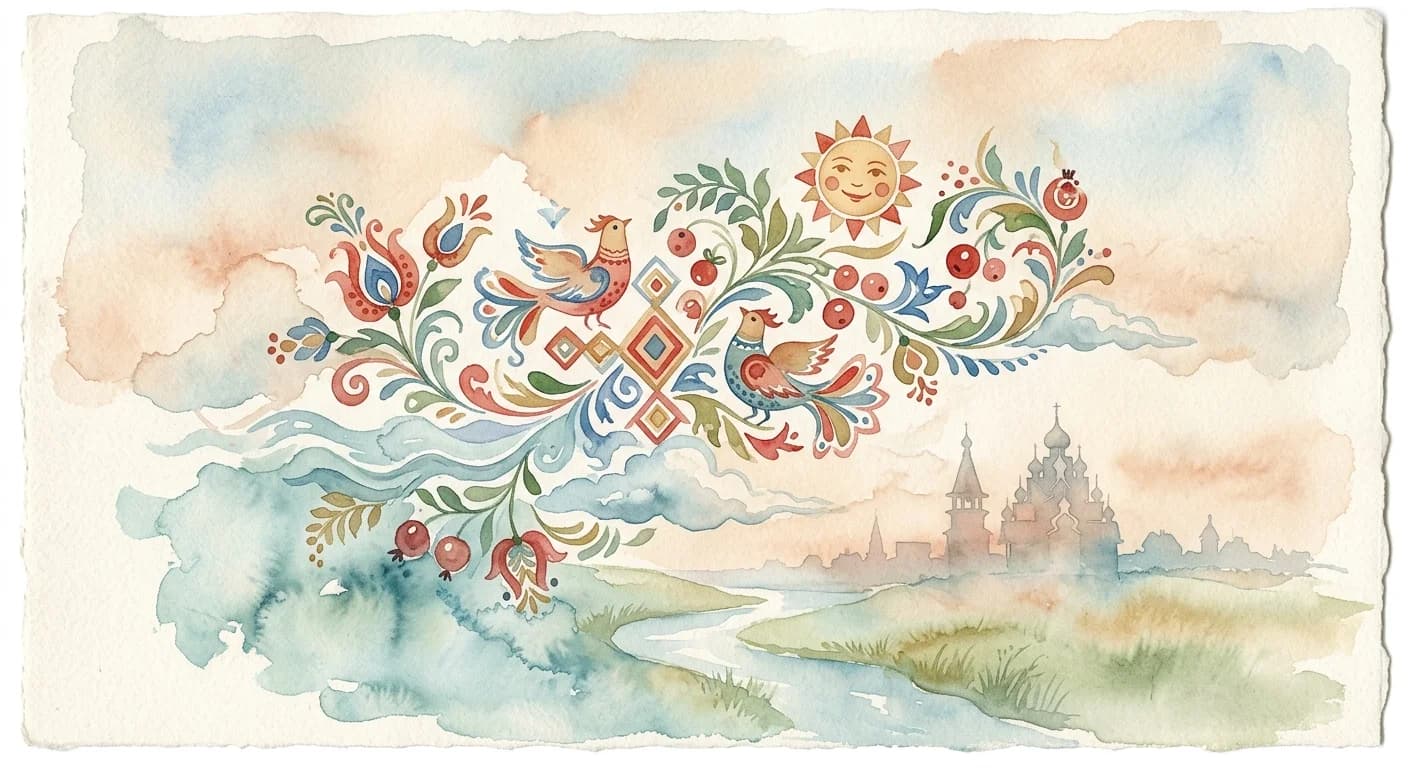
    Artistic representation of Bambucha
    Russian•
    🇷🇺Russia

    Bambucha

    /bahm-BOO-cha/

    Meaning

    Bambucha describes a delightful state of disarray, a cheerful chaos where things are gloriously out of order but without causing genuine distress. It's the delightful jumble of a children's party, the overflowing, yet somehow functional, artist's studio, or a lively family gathering where conversation and laughter intertwine with spilled drinks and misplaced items. This word embraces the inherent messiness of life, transforming perceived disorder into something endearing, often prompting a good-natured chuckle rather than frustration.

    Literal Translation

    N/A

    The Story Behind the Word

    The existence of 'bambucha' in Russian culture reflects a deep-seated pragmatism and a capacity to find humor and even warmth in imperfect situations. Russian life, historically and presently, has often been characterized by unexpected turns, resourcefulness in adversity, and a collective spirit that values adaptability over rigid order. 'Bambucha' embodies this resilience, suggesting that not everything needs to be perfectly aligned to be enjoyable or functional. It's a verbal shrug that says, 'Yes, it's a mess, but it's *our* mess, and we'll make do, perhaps even have fun in the process.' This word subtly counters the notion of sterile perfection, celebrating the vibrant, sometimes unruly, pulse of everyday existence.

    Experience It

    Kitchen After Baking

    After a marathon baking session with her grandchildren, Babushka surveyed the kitchen. Flour dusted every surface, bowls were piled high, and cookie crumbs littered the floor. 'What a bambucha we've made!' she chuckled, already planning the next culinary adventure.

    Family Holiday Gathering

    The living room after the New Year's Eve party was a true bambucha: crumpled gift wrap, half-eaten snacks, and scattered board game pieces. Yet, the lingering scent of tangerines and the echoes of laughter made the disarray feel utterly charming.

    The Deeper Meaning

    This word reveals a cultural acceptance of imperfection and a rejection of rigid control. It suggests that life's most authentic moments often arise from spontaneity and a certain amount of disorganization. 'Bambucha' encourages a worldview where joy can be found amidst the clutter, and where the pursuit of absolute order might actually stifle genuine human connection and creativity.

    Did You Know?

    While its exact etymology is debated, 'bambucha' is thought to be an onomatopoeic word, evoking the jumbled, slightly clumsy sound of things tumbling about.

    How It's Used

    Used colloquially to describe a messy or chaotic situation, often with a humorous undertone.

    Emotions
    comfort,joy,warmth
    Contexts
    celebration,family,work
    🇷🇺Russia

    by Anya Petrova·Written Mar 14, 2026·Updated Apr 3, 2026

    Related Words

    Explore more
    HyggeDanish

    Hygge is more than mere coziness; it's a holistic embrace of comfort, warmth, and belonging that nourishes the soul. It describes the intentional creation of an intimate atmosphere where simple pleasures, genuine connection, and mindful presence converge, fostering a profound sense of contentment and well-being. It's about finding joy and peace in the small, everyday moments, often shared with loved ones.

    SaudadePortuguese

    Saudade encapsulates a profound, melancholic longing for something or someone cherished that is absent, often with the bittersweet knowledge that it may never return. It's a deep emotional state tinged with nostalgia, evoking a sense of loss for past experiences, places, or people, yet also holding a tender appreciation for the beauty of what once was. This yearning is not merely sadness, but a complex tapestry of desire, memory, and a poignant acceptance of absence, holding the beloved in a warm, persistent embrace within the heart.

    GezelligDutch

    Gezellig encapsulates a profound sense of warmth, belonging, and convivial comfort, extending beyond mere coziness to embrace the social and emotional atmosphere. It's the feeling of being truly at ease, surrounded by good company, laughter, and a shared sense of contentment. This untranslatable term describes not just a physical space, but a holistic experience where time seems to slow down, fostering genuine connection and a deep sense of well-being.

    Dolce far nienteItalian

    Dolce far niente captures the profound joy and effortless pleasure derived from simply existing without obligation or purpose. It's the art of savoring moments of pure, unadulterated idleness – lying in the sun, watching the clouds drift, or enjoying a leisurely coffee – not as a break from work, but as a valuable state in itself. This 'sweetness of doing nothing' is a conscious embrace of stillness and contentment, allowing the soul to breathe and the senses to fully engage with the present.