U.
HomeRegionsLanguagesEmotionsCollections
Find Your Word

“The limits of my language mean the limits of my world.”

— Ludwig Wittgenstein, Philosopher

Untranslatable

A curated collection of the world's most beautiful expressions—words that remind us language is humanity's greatest invention.

  • Home
  • Collections
  • Regions
  • Countries
  • Emotions
  • Tags
  • Contexts
  • Finder
  • Europe
  • Asia
  • Americas
  • Africa
  • Middle East
  • About
  • Contact
  • Privacy Policy
  • Terms of Service

2026 © Untranslatable. All rights reserved.

    /
    /
    1. Home
    2. /
    3. Asia
    4. /
    5. Bangsat
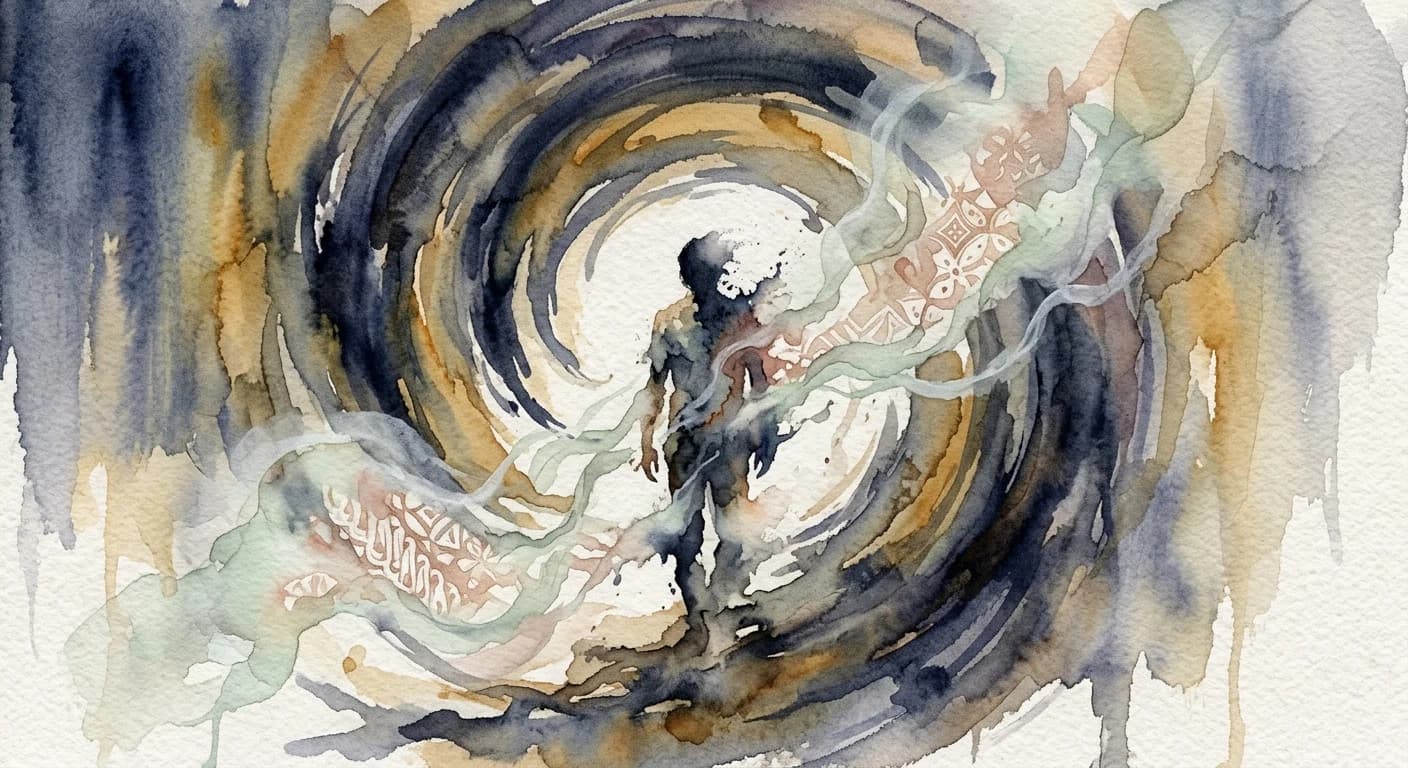
    Artistic representation of Bangsat
    Indonesian•
    🇮🇩Indonesia🇲🇾Malaysia

    Bangsat

    /BANG-sat/

    Meaning

    More than a mere insult, "bangsat" is a venomous expletive in Indonesian and Malay, hurled at someone whose actions are deemed utterly contemptible, treacherous, or morally bankrupt. It conveys a profound sense of betrayal and disgust, suggesting an individual so depraved they've forfeited their humanity. The word's raw, guttural sound amplifies the speaker's intense outrage and frustration, articulating a level of visceral condemnation that simple English translations often fail to capture.

    Literal Translation

    bastard, scoundrel

    The Story Behind the Word

    The potency of "bangsat" stems from cultural values that place a high premium on social harmony, respect, and loyalty within communities. In societies where maintaining face (muka) and avoiding open conflict are often prioritized, the use of such a direct and aggressive term signifies a complete breakdown of decorum and an unpardonable transgression against these core values. It's often reserved for acts that are perceived as deeply dishonorable, such as betrayal of trust, exploitation of the vulnerable, or blatant disregard for collective well-being. Its existence reveals a cultural understanding that certain acts are so egregious they warrant a verbal expulsion, an emotional cleansing through language, demonstrating the depth of moral outrage possible within the community.

    Experience It

    Betrayal in Business

    After discovering his business partner had embezzled funds, Mr. Tan slammed his fist on the table, eyes blazing. "Bangsat!" he roared, the single word encapsulating years of trust shattered and a future ruined by deceit.

    Outrage at Injustice

    Witnessing a corrupt official brazenly accepting a bribe, a bystander muttered under their breath, "Dasar bangsat." The term expressed not just anger at the individual, but a deep-seated frustration with systemic injustice and moral decay.

    The Deeper Meaning

    The existence and usage of "bangsat" illuminate a philosophical undercurrent in Indonesian and Malay cultures where moral transgressions are not merely personal failings but disruptions to the social fabric. It reflects a worldview where trust, honor, and community integrity are paramount, and their violation elicits a profound, almost existential, disgust. The word is an articulation of the absolute rejection of an individual from the moral community, signifying that their actions have placed them beyond the pale of human decency.

    Did You Know?

    While incredibly offensive, "bangsat" can sometimes be used jocularly among very close male friends, albeit with extreme caution, as a form of rough camaraderie, much like some English profanities.

    How It's Used

    Used as a strong curse word or insult, typically directed at someone who has committed a grave offense, betrayal, or act of extreme malice. It expresses intense anger and disgust.

    Emotion
    anger
    Context
    conflict
    🇮🇩Indonesia🇲🇾Malaysia

    by Annelise Dubois·Written Mar 14, 2026·Updated Apr 3, 2026

    Related Words

    Explore more
    Wabi-sabiJapanese

    Wabi-sabi is the profound appreciation for the ephemeral, the imperfect, and the incomplete aspects of existence. It is about discovering beauty in the subtle textures of age, the unique character of flaws, and the gentle decay that marks the passage of time. This philosophy encourages a quiet acceptance of impermanence and a mindful connection to the natural world, finding elegance in simplicity and authenticity.

    IkigaiJapanese

    Ikigai is more than just a reason to get out of bed; it's a deeply personal and evolving sense of purpose that brings genuine fulfillment and joy to one's life. It represents the sweet spot where your passions, talents, needs of the world, and what you can be paid for beautifully converge. Discovering your ikigai often leads to a life lived with intentionality, resilience, and a profound connection to one's contributions. It's the intrinsic motivation that fuels a meaningful existence, regardless of external circumstances.

    NunchiKorean

    Nunchi is the sophisticated, almost telepathic, ability to instantly grasp the unspoken dynamics of any social situation, anticipating others' thoughts and feelings, and then responding with impeccable grace and timing. It's an acute form of social intuition, allowing one to navigate complex interpersonal landscapes by reading subtle cues like body language, tone, and context. Possessing good nunchi means effortlessly understanding the underlying emotional currents and adjusting one's behavior to maintain harmony and effectiveness, often without a single word exchanged.

    JugaadHindi

    Jugaad is more than just a quick fix; it embodies the spirit of resourceful, ingenious improvisation in the face of scarcity or systemic challenges. It's the art of bending rules, repurposing materials, and thinking outside the box to achieve a desired outcome, often with limited financial or technological resources. This approach celebrates clever workarounds and innovative adaptations, turning constraints into catalysts for creative problem-solving. It's about making do and making something work, brilliantly.