U.
HomeRegionsLanguagesEmotionsCollections
Find Your Word

“The limits of my language mean the limits of my world.”

— Ludwig Wittgenstein, Philosopher

Untranslatable

A curated collection of the world's most beautiful expressions—words that remind us language is humanity's greatest invention.

  • Home
  • Collections
  • Regions
  • Countries
  • Emotions
  • Tags
  • Contexts
  • Finder
  • Europe
  • Asia
  • Americas
  • Africa
  • Middle East
  • About
  • Contact
  • Privacy Policy
  • Terms of Service

2026 © Untranslatable. All rights reserved.

    /
    /
    1. Home
    2. /
    3. Europe
    4. /
    5. Barzelletta
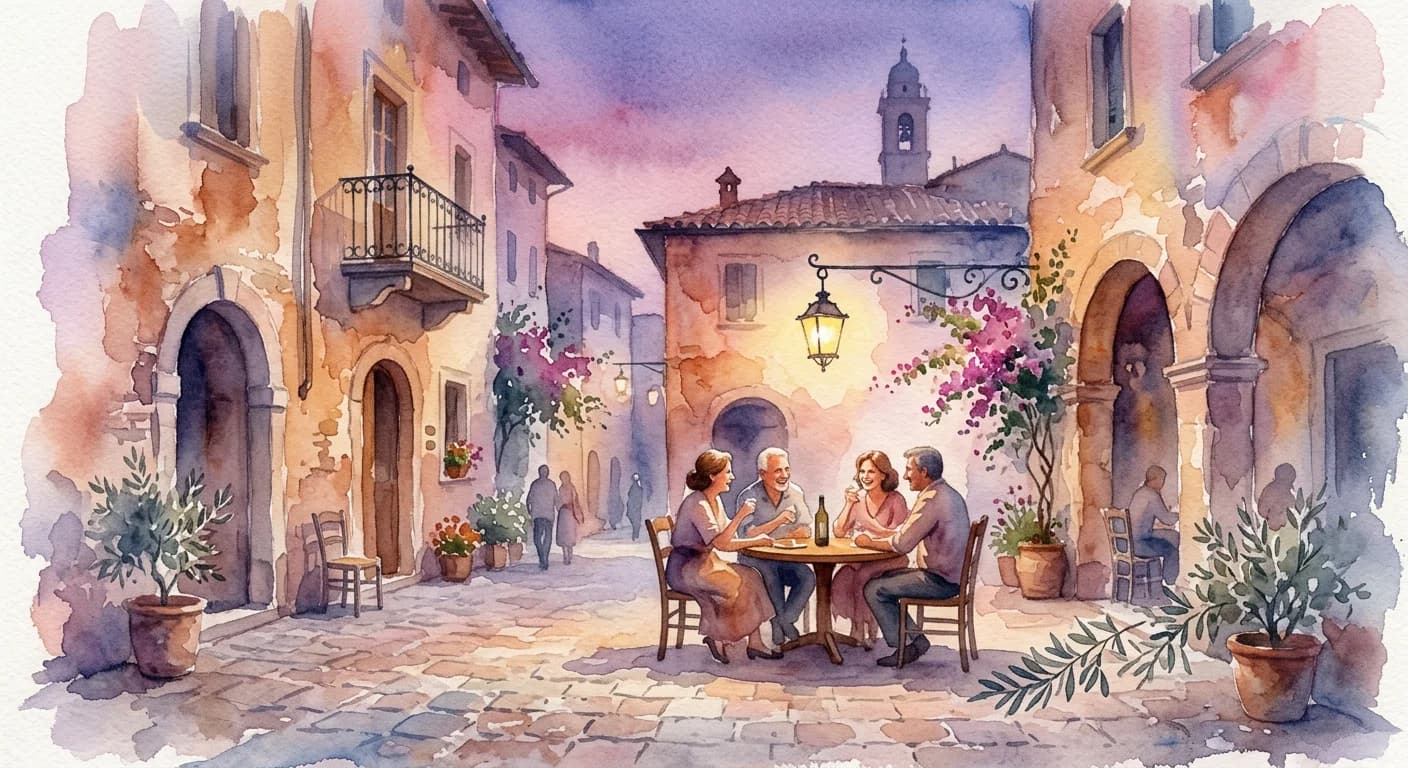
    Artistic representation of Barzelletta
    Italian•
    🇮🇹Italy

    Barzelletta

    /bar-tzel-LET-ta/

    Meaning

    A 'barzelletta' is far more than just a joke; it's a cherished element of Italian social interaction, a miniature narrative art form designed to spark collective mirth. It often unfolds as a lighthearted, sometimes absurd, anecdote or a clever observation of daily life, culminating in a witty twist. The telling of a barzelletta is a performance, an invitation to shared amusement and conviviality, embodying a playful spirit that binds people together in laughter.

    Literal Translation

    Joke / short humorous story

    The Story Behind the Word

    The 'barzelletta' is deeply woven into the fabric of Italian social life, reflecting a culture that values oral tradition, communal enjoyment, and the art of conversation. Its existence highlights the Italian appreciation for wit, improvisation, and the ability to find humor in both the mundane and the absurd. It's a testament to a worldview where shared laughter is a vital ingredient in human connection, often serving as an icebreaker, a moment of relief, or simply a way to celebrate the joy of being together. Historically, these short, often character-driven tales have been passed down through generations, evolving to reflect changing societal norms while retaining their core function of entertaining and fostering a sense of camaraderie. The 'barzelletta' reveals a people who understand the power of a well-told story to lighten the mood and strengthen social bonds, making it an indispensable part of family gatherings, coffee breaks, and festive occasions.

    Experience It

    Family Sunday Lunch

    During a boisterous Sunday lunch, Nonno clears his throat, a twinkle in his eye. 'Allora, listen to this barzelletta!' he announces, launching into a tale about a carabiniere and a lost dog, his voice rising and falling with dramatic flair, until the entire table erupts in laughter at the punchline.

    Coffee Break Banter

    At the office, Marco leans against the espresso machine, recounting a barzelletta heard the previous evening. His colleagues gather around, chuckling as he describes a misunderstanding at the market, the shared moment of humor momentarily easing the workday's pressures.

    The Deeper Meaning

    The 'barzelletta' embodies a philosophy of *leggerezza* – lightness and grace – in the face of life's complexities. It suggests that humor is not merely an escape but an essential tool for navigating the human experience, fostering resilience, and reinforcing social cohesion. It champions the idea that shared laughter is a profound form of connection, allowing individuals to momentarily transcend worries and find common ground in joy.

    Did You Know?

    Many classic Italian barzellette feature stock characters like the 'carabiniere' (a military police officer) or the 'marito e moglie' (husband and wife), highlighting common societal roles and their humorous foibles.

    How It's Used

    Used to refer to a joke, anecdote, or witty story, especially in informal social settings.

    Emotions
    belonging,joy,warmth
    Contexts
    celebration,dining,friendship
    🇮🇹Italy

    by Sofia Rossi·Written Mar 14, 2026·Updated Apr 3, 2026

    Related Words

    Explore more
    HyggeDanish

    Hygge is more than mere coziness; it's a holistic embrace of comfort, warmth, and belonging that nourishes the soul. It describes the intentional creation of an intimate atmosphere where simple pleasures, genuine connection, and mindful presence converge, fostering a profound sense of contentment and well-being. It's about finding joy and peace in the small, everyday moments, often shared with loved ones.

    SaudadePortuguese

    Saudade encapsulates a profound, melancholic longing for something or someone cherished that is absent, often with the bittersweet knowledge that it may never return. It's a deep emotional state tinged with nostalgia, evoking a sense of loss for past experiences, places, or people, yet also holding a tender appreciation for the beauty of what once was. This yearning is not merely sadness, but a complex tapestry of desire, memory, and a poignant acceptance of absence, holding the beloved in a warm, persistent embrace within the heart.

    GezelligDutch

    Gezellig encapsulates a profound sense of warmth, belonging, and convivial comfort, extending beyond mere coziness to embrace the social and emotional atmosphere. It's the feeling of being truly at ease, surrounded by good company, laughter, and a shared sense of contentment. This untranslatable term describes not just a physical space, but a holistic experience where time seems to slow down, fostering genuine connection and a deep sense of well-being.

    Dolce far nienteItalian

    Dolce far niente captures the profound joy and effortless pleasure derived from simply existing without obligation or purpose. It's the art of savoring moments of pure, unadulterated idleness – lying in the sun, watching the clouds drift, or enjoying a leisurely coffee – not as a break from work, but as a valuable state in itself. This 'sweetness of doing nothing' is a conscious embrace of stillness and contentment, allowing the soul to breathe and the senses to fully engage with the present.