U.
HomeRegionsLanguagesEmotionsCollections
Find Your Word

“The limits of my language mean the limits of my world.”

— Ludwig Wittgenstein, Philosopher

Untranslatable

A curated collection of the world's most beautiful expressions—words that remind us language is humanity's greatest invention.

  • Home
  • Collections
  • Regions
  • Countries
  • Emotions
  • Tags
  • Contexts
  • Finder
  • Europe
  • Asia
  • Americas
  • Africa
  • Middle East
  • About
  • Contact
  • Privacy Policy
  • Terms of Service

2026 © Untranslatable. All rights reserved.

    /
    /
    1. Home
    2. /
    3. Europe
    4. /
    5. Blåmåndag
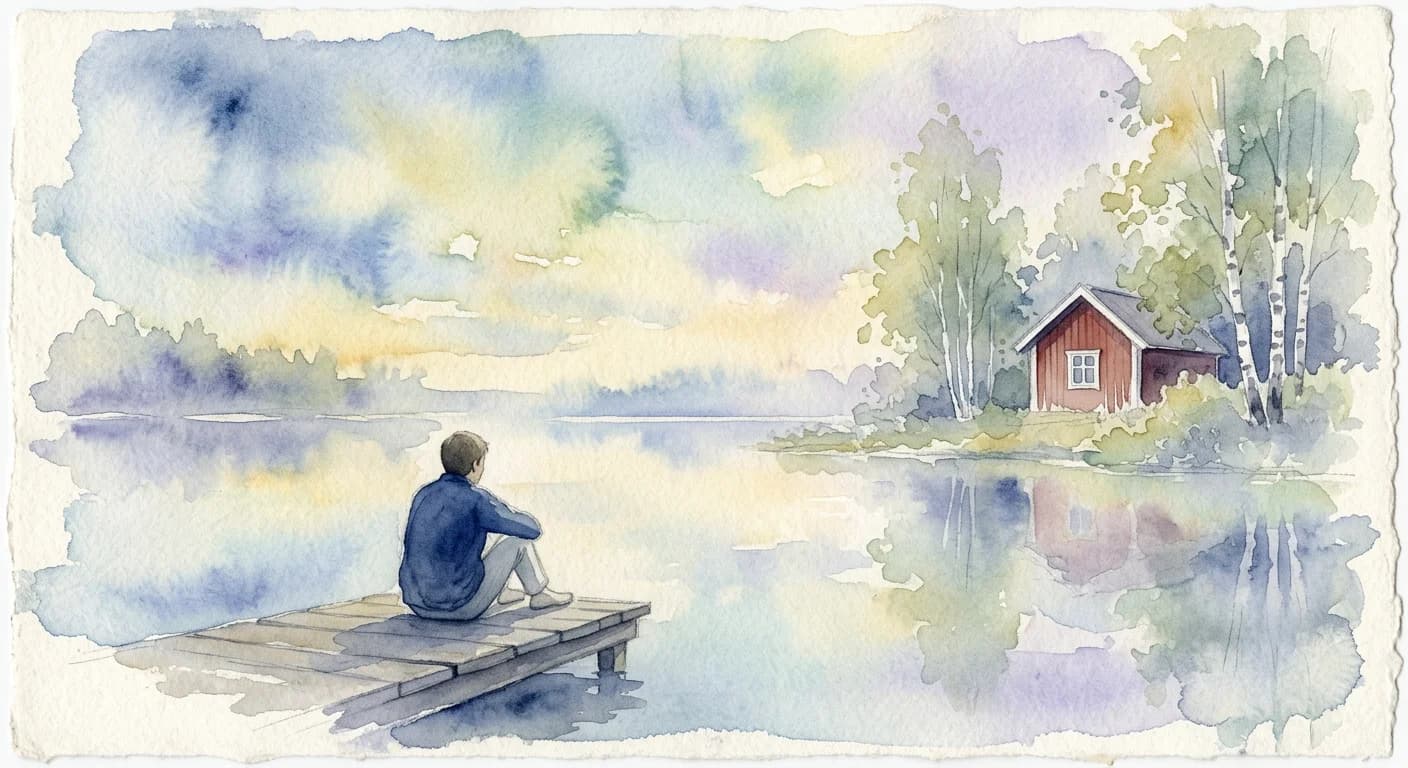
    Artistic representation of Blåmåndag
    Swedish•
    🇸🇪Sweden

    Blåmåndag

    /BLOH-mon-dahg/

    Meaning

    Blåmåndag, or 'Blue Monday', in Swedish culture, is not a day of dread but rather the gentle, reflective Monday that follows the joyous Midsummer celebrations. It encapsulates a specific, soft melancholy as the long, bright days of peak summer begin their imperceptible retreat. It's a quiet acknowledgment of the fleeting nature of intense happiness, leaving behind a pleasant, lingering tiredness and a wistful, blue-tinged mood that marks the passage from exuberant revelry to a more subdued appreciation of the season's remaining warmth.

    Literal Translation

    Blue Monday

    The Story Behind the Word

    The existence of 'Blåmåndag' is deeply rooted in the Swedish experience of summer, particularly the significance of Midsummer. Midsummer is not just a holiday; it's a cultural zenith, a celebration of light, life, and community after long, dark winters. The anticipation builds for months, culminating in a night of dancing, singing, and feasting under the midnight sun. 'Blåmåndag' reflects the inevitable emotional dip after such an intense peak of collective joy. It's a testament to the Swedish appreciation for cycles – the understanding that even the brightest moments are transient. This word reveals a cultural comfort with introspection and a nuanced acceptance of post-celebratory quietude, rather than an insistence on perpetual high spirits. It acknowledges the beauty in the fading glow, a characteristic often seen in the Swedish approach to nature and life's rhythms.

    Experience It

    Post-Midsummer Reflection

    Anna stirred her coffee, gazing out at the quiet garden. The Midsummer wreath still hung on the door, a little wilted. A soft sigh escaped her lips – a 'blåmåndag' feeling, not sad, but a gentle acknowledgment that the magic of the weekend had passed, leaving a pleasant echo.

    Lingering Warmth

    At the office, Erik noticed everyone had a subdued, almost dreamy air. Jokes were quieter, movements a little slower. 'Still feeling the blåmåndag?' Lisa asked, smiling gently. Erik nodded, 'Just enjoying the last bit of the Midsummer glow before reality fully kicks in.'

    The Deeper Meaning

    This word reflects a philosophical acceptance of impermanence and the beauty in transition. It embodies a nuanced understanding that joy, though intense, is fleeting, and that the aftermath can hold its own gentle charm. It speaks to a culture that values reflective introspection and finds peace in the ebb and flow of emotions and seasons, rather than resisting the natural decline from a peak experience.

    Did You Know?

    While 'Blue Monday' in English refers to the supposedly most depressing day of the year, the Swedish 'Blåmåndag' is far from depressing, embodying a much softer, reflective, and even pleasant post-celebration mood.

    How It's Used

    Used to describe the Monday immediately following the Midsummer holiday in Sweden.

    Emotions
    bittersweet,contentment,melancholy,nostalgia
    Contexts
    celebration,relaxation,seasons
    🇸🇪Sweden

    by Sofia Rossi·Written Mar 14, 2026·Updated Apr 3, 2026

    Related Words

    Explore more
    HyggeDanish

    Hygge is more than mere coziness; it's a holistic embrace of comfort, warmth, and belonging that nourishes the soul. It describes the intentional creation of an intimate atmosphere where simple pleasures, genuine connection, and mindful presence converge, fostering a profound sense of contentment and well-being. It's about finding joy and peace in the small, everyday moments, often shared with loved ones.

    SaudadePortuguese

    Saudade encapsulates a profound, melancholic longing for something or someone cherished that is absent, often with the bittersweet knowledge that it may never return. It's a deep emotional state tinged with nostalgia, evoking a sense of loss for past experiences, places, or people, yet also holding a tender appreciation for the beauty of what once was. This yearning is not merely sadness, but a complex tapestry of desire, memory, and a poignant acceptance of absence, holding the beloved in a warm, persistent embrace within the heart.

    GezelligDutch

    Gezellig encapsulates a profound sense of warmth, belonging, and convivial comfort, extending beyond mere coziness to embrace the social and emotional atmosphere. It's the feeling of being truly at ease, surrounded by good company, laughter, and a shared sense of contentment. This untranslatable term describes not just a physical space, but a holistic experience where time seems to slow down, fostering genuine connection and a deep sense of well-being.

    Dolce far nienteItalian

    Dolce far niente captures the profound joy and effortless pleasure derived from simply existing without obligation or purpose. It's the art of savoring moments of pure, unadulterated idleness – lying in the sun, watching the clouds drift, or enjoying a leisurely coffee – not as a break from work, but as a valuable state in itself. This 'sweetness of doing nothing' is a conscious embrace of stillness and contentment, allowing the soul to breathe and the senses to fully engage with the present.