U.
HomeRegionsLanguagesEmotionsCollections
Find Your Word

“The limits of my language mean the limits of my world.”

— Ludwig Wittgenstein, Philosopher

Untranslatable

A curated collection of the world's most beautiful expressions—words that remind us language is humanity's greatest invention.

  • Home
  • Collections
  • Regions
  • Countries
  • Emotions
  • Tags
  • Contexts
  • Finder
  • Europe
  • Asia
  • Americas
  • Africa
  • Middle East
  • About
  • Contact
  • Privacy Policy
  • Terms of Service

2026 © Untranslatable. All rights reserved.

    /
    /
    1. Home
    2. /
    3. Europe
    4. /
    5. Chispas
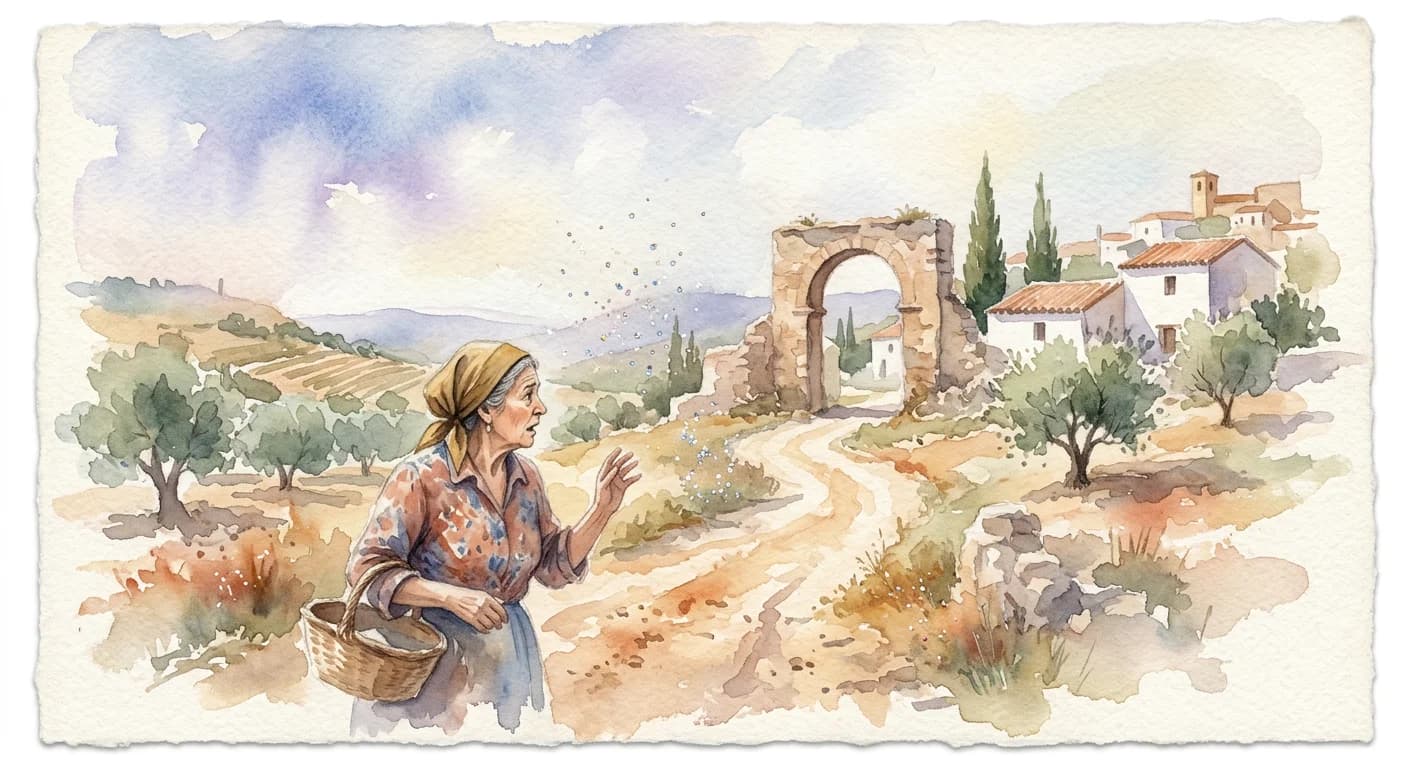
    Artistic representation of Chispas
    Spanish•
    🇦🇷Argentina🇨🇴Colombia🇨🇺Cuba🇩🇴Dominican Republic🇲🇽Mexico🇵🇷Puerto Rico🇪🇸Spain🇻🇪Venezuela

    Chispas

    /CHEES-pahs/

    Meaning

    While literally translating to "sparks," "chispas" in Spanish is a vibrant interjection that ignites a spectrum of emotions, from mild surprise to exasperated annoyance or even playful alarm. It's the linguistic equivalent of a sudden, small pop—a quick burst of feeling that punctuates a moment of unexpectedness. This versatile exclamation captures those fleeting instances when something slightly amiss or surprisingly delightful occurs, injecting a dash of expressive energy into everyday conversation with a distinctly Spanish flair.

    Literal Translation

    Sparks

    The Story Behind the Word

    The existence and widespread use of "chispas" in Spanish culture speaks to a linguistic tradition rich in expressive interjections and a pragmatic acceptance of life's minor frustrations and surprises. Unlike more formal expletives, "chispas" offers a socially acceptable, almost charming, way to vent a momentary annoyance or express sudden wonder without resorting to vulgarity. It reflects a cultural inclination towards open, albeit tempered, emotional expression in daily interactions, allowing for a quick release of feeling that acknowledges the unexpected without dwelling on it. This word embodies a certain resilience and a lighthearted approach to life's small hitches, suggesting an underlying philosophy that even minor setbacks or surprises are part of the daily tapestry, best met with a quick, acknowledging verbal spark.

    Experience It

    Forgotten Keys Frustration

    Maria reaches for her keys, only to realize she's left them on the kitchen counter. "¡Chispas!" she exclaims, a small sigh escaping her lips, as she turns back towards the house, a hint of playful self-reproach in her tone.

    Sudden Realization

    During a lively conversation, Carlos suddenly remembers an important detail he'd overlooked. "¡Chispas!" he interjects, his eyes widening slightly, as he quickly shares the new information, the word marking his sudden mental connection.

    The Deeper Meaning

    The casual deployment of "chispas" reveals a cultural philosophy that embraces the momentary, the unexpected, and the slightly imperfect. It suggests a worldview where life's small disruptions are not met with dramatic despair but with a quick, contained emotional release. This linguistic habit reflects a pragmatic acceptance of minor chaos and a tendency to express fleeting feelings without necessarily escalating them into major emotional events, embodying a resilient and often good-humored approach to daily living.

    Did You Know?

    The diminutive form, "chispitas," can be used to describe tiny, twinkling lights, like those on a Christmas tree or the sparkle in someone's eye.

    How It's Used

    Used as an interjection to express surprise, annoyance, or mild consternation. It can be used in a variety of everyday situations when something unexpected happens, whether positive or negative.

    Emotions
    anger,wonder
    Contexts
    celebration,daily life,work
    🇦🇷Argentina🇨🇴Colombia🇨🇺Cuba🇩🇴Dominican Republic🇲🇽Mexico🇵🇷Puerto Rico🇪🇸Spain🇻🇪Venezuela

    by Annelise Dubois·Written Mar 14, 2026·Updated Apr 3, 2026

    Related Words

    Explore more
    HyggeDanish

    Hygge is more than mere coziness; it's a holistic embrace of comfort, warmth, and belonging that nourishes the soul. It describes the intentional creation of an intimate atmosphere where simple pleasures, genuine connection, and mindful presence converge, fostering a profound sense of contentment and well-being. It's about finding joy and peace in the small, everyday moments, often shared with loved ones.

    SaudadePortuguese

    Saudade encapsulates a profound, melancholic longing for something or someone cherished that is absent, often with the bittersweet knowledge that it may never return. It's a deep emotional state tinged with nostalgia, evoking a sense of loss for past experiences, places, or people, yet also holding a tender appreciation for the beauty of what once was. This yearning is not merely sadness, but a complex tapestry of desire, memory, and a poignant acceptance of absence, holding the beloved in a warm, persistent embrace within the heart.

    GezelligDutch

    Gezellig encapsulates a profound sense of warmth, belonging, and convivial comfort, extending beyond mere coziness to embrace the social and emotional atmosphere. It's the feeling of being truly at ease, surrounded by good company, laughter, and a shared sense of contentment. This untranslatable term describes not just a physical space, but a holistic experience where time seems to slow down, fostering genuine connection and a deep sense of well-being.

    Dolce far nienteItalian

    Dolce far niente captures the profound joy and effortless pleasure derived from simply existing without obligation or purpose. It's the art of savoring moments of pure, unadulterated idleness – lying in the sun, watching the clouds drift, or enjoying a leisurely coffee – not as a break from work, but as a valuable state in itself. This 'sweetness of doing nothing' is a conscious embrace of stillness and contentment, allowing the soul to breathe and the senses to fully engage with the present.