U.
HomeRegionsLanguagesEmotionsCollections
Find Your Word

“The limits of my language mean the limits of my world.”

— Ludwig Wittgenstein, Philosopher

Untranslatable

A curated collection of the world's most beautiful expressions—words that remind us language is humanity's greatest invention.

  • Home
  • Collections
  • Regions
  • Countries
  • Emotions
  • Tags
  • Contexts
  • Finder
  • Europe
  • Asia
  • Americas
  • Africa
  • Middle East
  • About
  • Contact
  • Privacy Policy
  • Terms of Service

2026 © Untranslatable. All rights reserved.

    /
    /
    1. Home
    2. /
    3. Europe
    4. /
    5. Coraje
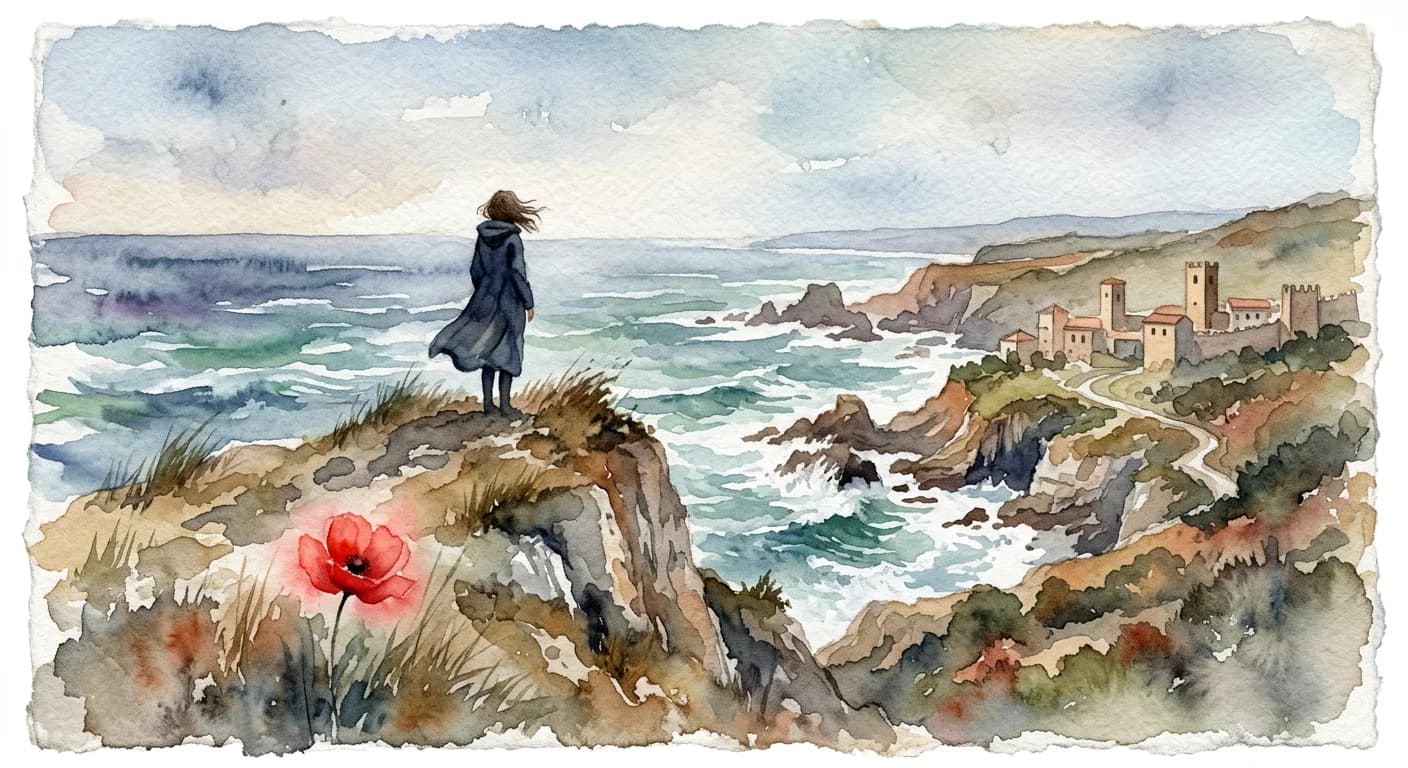
    Artistic representation of Coraje
    Spanish•
    🇦🇷Argentina🇧🇴Bolivia🇨🇱Chile🇨🇴Colombia🇨🇷Costa Rica🇨🇺Cuba🇩🇴Dominican Republic🇪🇨Ecuador🇸🇻El Salvador🇬🇶Equatorial Guinea🇬🇹Guatemala🇭🇳Honduras🇲🇽Mexico🇳🇮Nicaragua🇵🇦Panama🇵🇾Paraguay🇵🇪Peru🇵🇷Puerto Rico🇪🇸Spain🇺🇾Uruguay🇻🇪Venezuela

    Coraje

    /koh-RAH-heh/

    Meaning

    Coraje is a profound, almost primal emotional state that transcends simple anger or bravery; it's a potent cocktail of indignation, fierce resolve, and an unyielding spirit. It ignites when faced with perceived injustice or deep personal affront, propelling an individual to confront, defend, or express their convictions with passionate intensity. This visceral surge can manifest as audacious courage in the face of daunting odds, or as a burning resentment demanding voice, often catalyzing action against oppression or adversity.

    Literal Translation

    courage, anger, wrath

    The Story Behind the Word

    The concept of "coraje" is deeply woven into the fabric of Spanish culture, reflecting a historical reverence for honor, dignity, and a passionate, often dramatic, approach to life. Spain's history, marked by centuries of conflict, resistance, and strong individualistic expression, has fostered an environment where standing up for oneself or one's community, even in the face of overwhelming odds, is highly valued. It speaks to a cultural preference for direct, emotionally charged responses to perceived wrongs, rather than passive acceptance. This word reveals a worldview where emotional authenticity and the defense of one's integrity are paramount, often celebrated in literature, art, and daily interactions. It's not just about what is right, but how passionately one feels and acts upon it.

    Experience It

    Defending Family Honor

    When a distant cousin unjustly slandered his sister's reputation at a family gathering, Mateo felt a sudden surge of coraje. He rose to his feet, his voice firm and unwavering, to publicly denounce the lies and passionately defend her integrity, regardless of the awkwardness it caused.

    Facing Injustice

    The villagers had endured years of unfair policies from the local mayor. One day, after yet another broken promise, an elderly woman, usually quiet, stood up at the town hall meeting, her eyes blazing with coraje, and eloquently articulated the community's collective outrage, inspiring others to speak out.

    The Deeper Meaning

    Coraje underscores a worldview that values passionate engagement with life and a refusal to be a passive observer of injustice or affront. It highlights the belief that true dignity lies in confronting adversity, speaking truth, and defending one's convictions with conviction, even when it demands emotional intensity. It suggests that a life lived without this fiery spirit is a life lived without full honor or authenticity.

    Did You Know?

    The word "coraje" shares its etymological roots with the French "courage" and Italian "coraggio," all stemming from the Latin "cor" meaning "heart," underscoring its deep emotional core.

    How It's Used

    Used to describe a strong emotion of anger, indignation, or fierce courage, often in the context of facing injustice or adversity.

    Emotions
    anger,resilience
    Contexts
    conflict,daily life,politics
    🇦🇷Argentina🇧🇴Bolivia🇨🇱Chile🇨🇴Colombia🇨🇷Costa Rica🇨🇺Cuba🇩🇴Dominican Republic🇪🇨Ecuador🇸🇻El Salvador🇬🇶Equatorial Guinea🇬🇹Guatemala🇭🇳Honduras🇲🇽Mexico🇳🇮Nicaragua🇵🇦Panama🇵🇾Paraguay🇵🇪Peru🇵🇷Puerto Rico🇪🇸Spain🇺🇾Uruguay🇻🇪Venezuela

    by Annelise Dubois·Written Mar 14, 2026·Updated Apr 3, 2026

    Related Words

    Explore more
    HyggeDanish

    Hygge is more than mere coziness; it's a holistic embrace of comfort, warmth, and belonging that nourishes the soul. It describes the intentional creation of an intimate atmosphere where simple pleasures, genuine connection, and mindful presence converge, fostering a profound sense of contentment and well-being. It's about finding joy and peace in the small, everyday moments, often shared with loved ones.

    SaudadePortuguese

    Saudade encapsulates a profound, melancholic longing for something or someone cherished that is absent, often with the bittersweet knowledge that it may never return. It's a deep emotional state tinged with nostalgia, evoking a sense of loss for past experiences, places, or people, yet also holding a tender appreciation for the beauty of what once was. This yearning is not merely sadness, but a complex tapestry of desire, memory, and a poignant acceptance of absence, holding the beloved in a warm, persistent embrace within the heart.

    GezelligDutch

    Gezellig encapsulates a profound sense of warmth, belonging, and convivial comfort, extending beyond mere coziness to embrace the social and emotional atmosphere. It's the feeling of being truly at ease, surrounded by good company, laughter, and a shared sense of contentment. This untranslatable term describes not just a physical space, but a holistic experience where time seems to slow down, fostering genuine connection and a deep sense of well-being.

    Dolce far nienteItalian

    Dolce far niente captures the profound joy and effortless pleasure derived from simply existing without obligation or purpose. It's the art of savoring moments of pure, unadulterated idleness – lying in the sun, watching the clouds drift, or enjoying a leisurely coffee – not as a break from work, but as a valuable state in itself. This 'sweetness of doing nothing' is a conscious embrace of stillness and contentment, allowing the soul to breathe and the senses to fully engage with the present.