U.
HomeRegionsLanguagesEmotionsCollections
Find Your Word

“The limits of my language mean the limits of my world.”

— Ludwig Wittgenstein, Philosopher

Untranslatable

A curated collection of the world's most beautiful expressions—words that remind us language is humanity's greatest invention.

  • Home
  • Collections
  • Regions
  • Countries
  • Emotions
  • Tags
  • Contexts
  • Finder
  • Europe
  • Asia
  • Americas
  • Africa
  • Middle East
  • About
  • Contact
  • Privacy Policy
  • Terms of Service

2026 © Untranslatable. All rights reserved.

    /
    /
    1. Home
    2. /
    3. Asia
    4. /
    5. Akahana
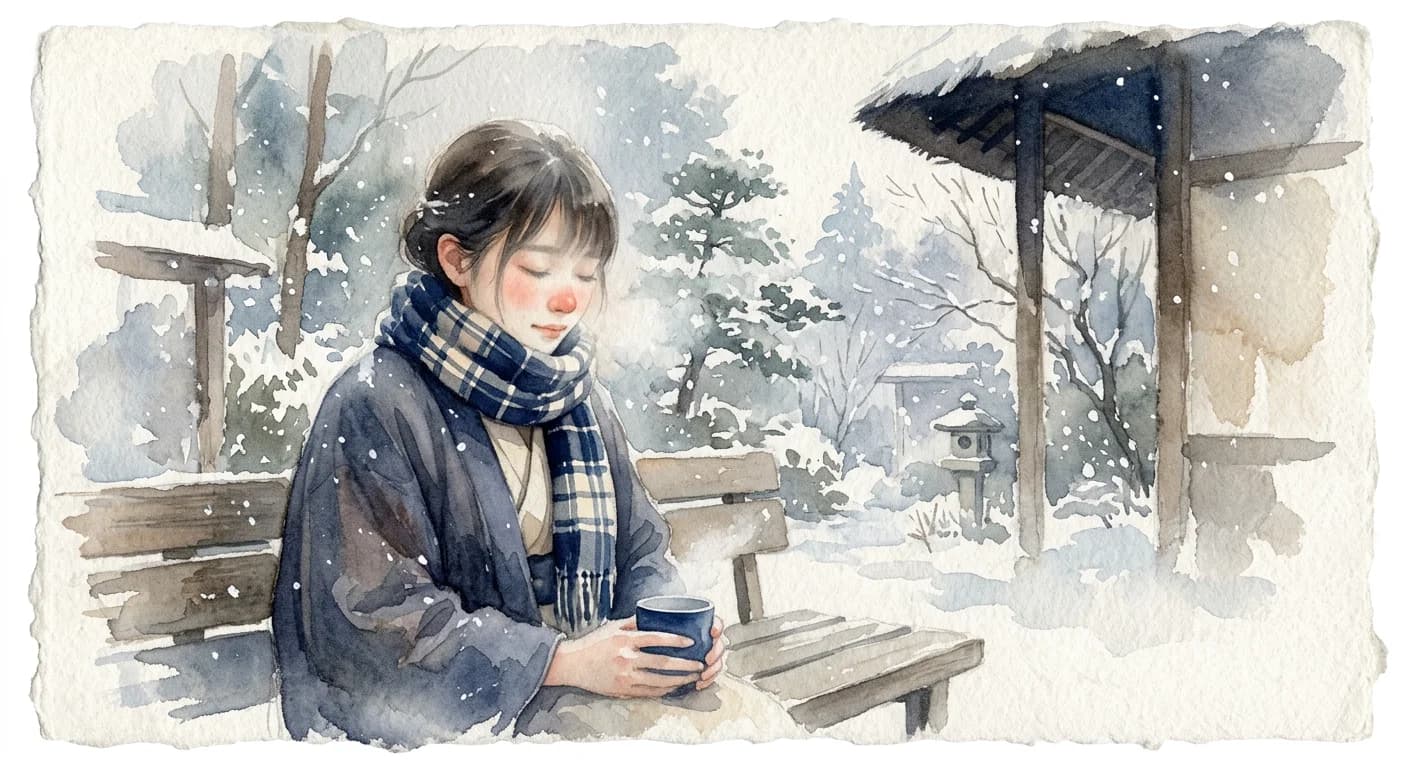
    Artistic representation of Akahana
    Japanese•
    🇯🇵Japan

    Akahana

    /ah-kah-HAH-nah/

    Meaning

    Akahana describes the distinctive, often bright redness that blossoms on the tip of one's nose when exposed to the biting chill of Japanese winters. It's a fleeting, almost charming physical manifestation of the cold's embrace, signaling a shared, universal experience among those braving the elements. Far from being a source of embarrassment, this rosy hue is a natural, albeit sometimes slightly uncomfortable, reminder of the season's pervasive presence and the body's delicate response to nature's touch.

    Literal Translation

    red nose

    The Story Behind the Word

    The existence of a specific word like 'akahana' in Japanese culture speaks volumes about the nation's profound connection to nature and its nuanced observation of seasonal changes. Japan's distinct four seasons deeply influence daily life, art, and language, fostering a keen awareness of subtle shifts in the environment. 'Akahana' isn't just a clinical description; it's an acknowledgment of a minor, shared discomfort that binds people together, a small price paid for the beauty of winter. It reflects a cultural tendency to accept and even find a gentle beauty in natural phenomena, rather than solely view them as inconveniences. This word reveals a society that is highly attuned to physical sensations in relation to the environment, often romanticizing or at least acknowledging them with precision.

    Experience It

    Winter Morning Commute

    Stepping out from the warm train, Tanaka-san pulled his scarf tighter, feeling the sharp winter air immediately nip at his exposed skin. He instinctively touched his nose, knowing without looking that a distinct 'akahana' had already bloomed, a familiar companion on his frosty walk to the office.

    Children Playing Outdoors

    The children tumbling through the park, their laughter echoing, paused for a moment to rub their little noses. Their grandmother smiled, noticing their bright 'akahana' tips. 'You've been playing hard, haven't you? Time for some warm tea!' she called, a tender recognition of their rosy faces.

    The Deeper Meaning

    The word 'akahana' subtly reflects a core Japanese philosophical acceptance of nature's influence on the human body, an understanding that discomfort is often an intrinsic part of experiencing the world. It embodies a 'mono no aware' sensibility – a gentle pathos and appreciation for the transient beauty and minor hardships that come with the changing seasons, without necessarily seeking to conquer or complain about them.

    Did You Know?

    While 'akahana' literally means 'red nose,' it almost exclusively refers to cold-induced redness, not a 'drinker's nose' or a clown's nose, which would have different connotations.

    How It's Used

    Used to describe the physical reaction of one's nose turning red due to cold temperatures.

    Emotions
    bittersweet,comfort,warmth
    Contexts
    seasons,weather
    🇯🇵Japan

    by Annelise Dubois·Written Mar 14, 2026·Updated Apr 3, 2026

    Related Words

    Explore more
    GezelligDutch

    Gezellig encapsulates a profound sense of warmth, belonging, and convivial comfort, extending beyond mere coziness to embrace the social and emotional atmosphere. It's the feeling of being truly at ease, surrounded by good company, laughter, and a shared sense of contentment. This untranslatable term describes not just a physical space, but a holistic experience where time seems to slow down, fostering genuine connection and a deep sense of well-being.

    Wabi-sabiJapanese

    Wabi-sabi is the profound appreciation for the ephemeral, the imperfect, and the incomplete aspects of existence. It is about discovering beauty in the subtle textures of age, the unique character of flaws, and the gentle decay that marks the passage of time. This philosophy encourages a quiet acceptance of impermanence and a mindful connection to the natural world, finding elegance in simplicity and authenticity.

    IkigaiJapanese

    Ikigai is more than just a reason to get out of bed; it's a deeply personal and evolving sense of purpose that brings genuine fulfillment and joy to one's life. It represents the sweet spot where your passions, talents, needs of the world, and what you can be paid for beautifully converge. Discovering your ikigai often leads to a life lived with intentionality, resilience, and a profound connection to one's contributions. It's the intrinsic motivation that fuels a meaningful existence, regardless of external circumstances.

    NunchiKorean

    Nunchi is the sophisticated, almost telepathic, ability to instantly grasp the unspoken dynamics of any social situation, anticipating others' thoughts and feelings, and then responding with impeccable grace and timing. It's an acute form of social intuition, allowing one to navigate complex interpersonal landscapes by reading subtle cues like body language, tone, and context. Possessing good nunchi means effortlessly understanding the underlying emotional currents and adjusting one's behavior to maintain harmony and effectiveness, often without a single word exchanged.