U.
HomeRegionsLanguagesEmotionsCollections
Find Your Word

“The limits of my language mean the limits of my world.”

— Ludwig Wittgenstein, Philosopher

Untranslatable

A curated collection of the world's most beautiful expressions—words that remind us language is humanity's greatest invention.

  • Home
  • Collections
  • Regions
  • Countries
  • Emotions
  • Tags
  • Contexts
  • Finder
  • Europe
  • Asia
  • Americas
  • Africa
  • Middle East
  • About
  • Contact
  • Privacy Policy
  • Terms of Service

2026 © Untranslatable. All rights reserved.

    /
    /
    1. Home
    2. /
    3. Europe
    4. /
    5. Alcancia
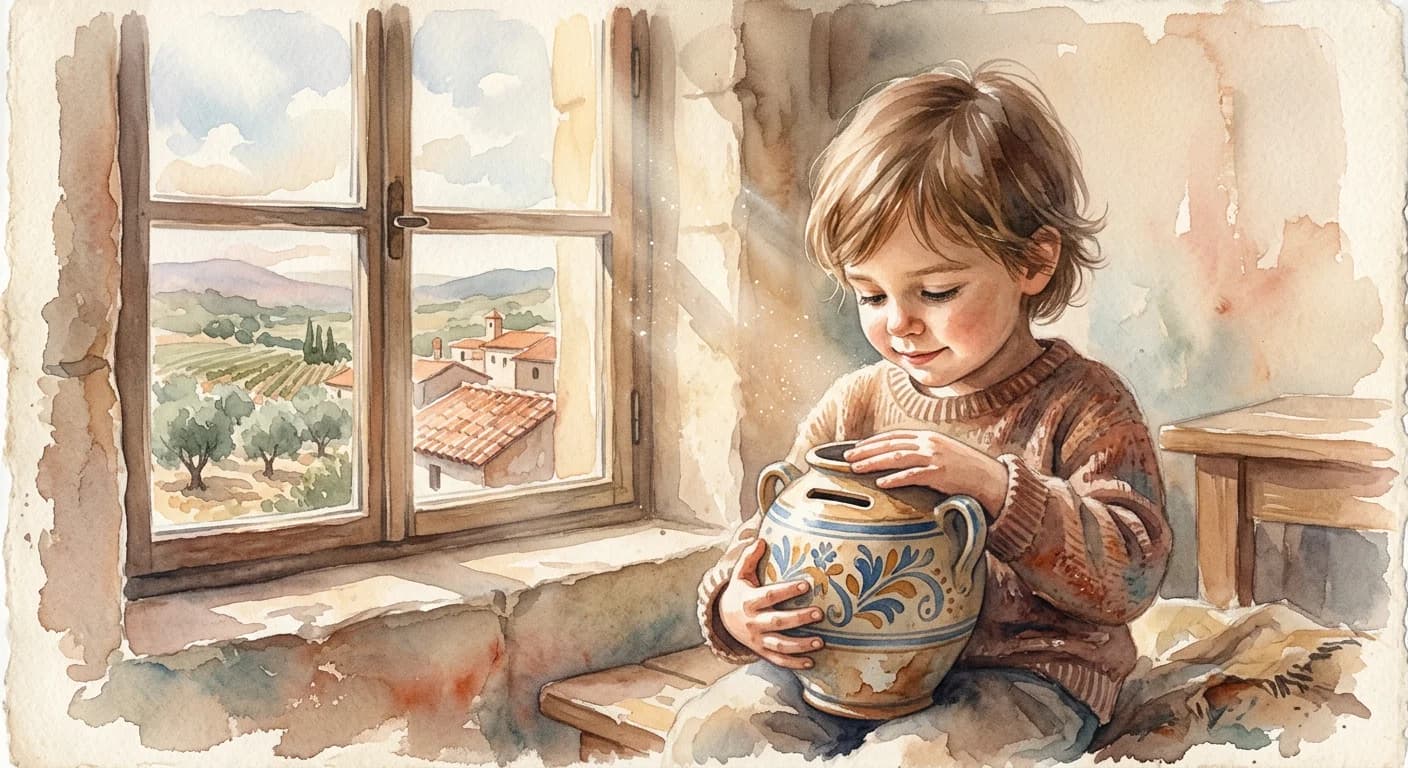
    Artistic representation of Alcancia
    Spanish•
    🇦🇷Argentina🇧🇴Bolivia🇨🇱Chile🇨🇴Colombia🇨🇷Costa Rica🇨🇺Cuba🇩🇴Dominican Republic🇪🇨Ecuador🇸🇻El Salvador🇬🇹Guatemala🇭🇳Honduras🇲🇽Mexico🇳🇮Nicaragua🇵🇦Panama🇵🇾Paraguay🇵🇪Peru🇵🇷Puerto Rico🇪🇸Spain🇺🇾Uruguay🇻🇪Venezuela

    Alcancia

    /ahl-kahn-SEE-ah/

    Meaning

    An "alcancía" transcends the simple function of a coin bank; it is a cherished repository of nascent dreams and future aspirations, deeply woven into the cultural fabric of Spain. It embodies the patient, incremental accumulation of savings, often earmarked for a specific, beloved goal, whether a coveted toy, a family vacation, or a modest contribution to a grander ambition. The act of contributing to an alcancía instills a tangible connection to one's desires, fostering discipline and the quiet optimism that effort yields reward. It symbolizes a child's foundational lessons in deferred gratification and the hopeful anticipation of future possibilities.

    Literal Translation

    coin bank

    The Story Behind the Word

    The "alcancía" in Spain is more than a financial tool; it's a pedagogical device and a cultural touchstone. Its existence reflects a deep-seated value placed on foresight, patience, and the understanding that significant achievements often stem from small, consistent efforts. Historically, in a society where resources might have been scarce, saving, even small amounts, was a crucial survival mechanism and a pathway to upward mobility. The "alcancía" embodies the Spanish emphasis on family values and intergenerational teaching, as parents and grandparents often gift them, initiating children into the practice of saving. It reveals a cultural perspective that cherishes both individual ambition and the collective well-being, understanding that personal discipline contributes to future stability and happiness.

    Experience It

    Saving for Summer Fun

    Little Ana carefully drops a shiny euro coin into her ceramic pig, its belly already quite full. She dreams of the new bicycle she'll buy for summer, picturing herself cycling along the beach path with her older cousins, a wide smile on her face.

    The Family Trip Fund

    On the kitchen counter sits a large, brightly painted "alcancía" shaped like a globe. Each week, after payday, papá adds a few euros, explaining to the kids that every coin brings them closer to their much-anticipated family trip to the Canary Islands.

    The Deeper Meaning

    The "alcancía" encapsulates a philosophy of "poco a poco" (little by little), emphasizing that significant achievements are built through consistent, small actions. It champions deferred gratification, teaching that immediate desires can be set aside for greater future rewards. This worldview fosters patience, discipline, and a hopeful outlook, linking present effort directly to future realization, thereby shaping a resilient and goal-oriented character from a young age.

    Did You Know?

    The word "alcancía" derives from Arabic "al-kanz" meaning 'the treasure,' highlighting its ancient connection to guarded wealth and precious savings.

    How It's Used

    Used to refer to a coin bank or piggy bank, especially one used by children to save money.

    Emotions
    comfort,gratitude,hope,warmth
    Contexts
    celebration,childhood,family
    🇦🇷Argentina🇧🇴Bolivia🇨🇱Chile🇨🇴Colombia🇨🇷Costa Rica🇨🇺Cuba🇩🇴Dominican Republic🇪🇨Ecuador🇸🇻El Salvador🇬🇹Guatemala🇭🇳Honduras🇲🇽Mexico🇳🇮Nicaragua🇵🇦Panama🇵🇾Paraguay🇵🇪Peru🇵🇷Puerto Rico🇪🇸Spain🇺🇾Uruguay🇻🇪Venezuela

    by Anya Petrova·Written Mar 14, 2026·Updated Apr 3, 2026

    Related Words

    Explore more
    HyggeDanish

    Hygge is more than mere coziness; it's a holistic embrace of comfort, warmth, and belonging that nourishes the soul. It describes the intentional creation of an intimate atmosphere where simple pleasures, genuine connection, and mindful presence converge, fostering a profound sense of contentment and well-being. It's about finding joy and peace in the small, everyday moments, often shared with loved ones.

    SaudadePortuguese

    Saudade encapsulates a profound, melancholic longing for something or someone cherished that is absent, often with the bittersweet knowledge that it may never return. It's a deep emotional state tinged with nostalgia, evoking a sense of loss for past experiences, places, or people, yet also holding a tender appreciation for the beauty of what once was. This yearning is not merely sadness, but a complex tapestry of desire, memory, and a poignant acceptance of absence, holding the beloved in a warm, persistent embrace within the heart.

    GezelligDutch

    Gezellig encapsulates a profound sense of warmth, belonging, and convivial comfort, extending beyond mere coziness to embrace the social and emotional atmosphere. It's the feeling of being truly at ease, surrounded by good company, laughter, and a shared sense of contentment. This untranslatable term describes not just a physical space, but a holistic experience where time seems to slow down, fostering genuine connection and a deep sense of well-being.

    Dolce far nienteItalian

    Dolce far niente captures the profound joy and effortless pleasure derived from simply existing without obligation or purpose. It's the art of savoring moments of pure, unadulterated idleness – lying in the sun, watching the clouds drift, or enjoying a leisurely coffee – not as a break from work, but as a valuable state in itself. This 'sweetness of doing nothing' is a conscious embrace of stillness and contentment, allowing the soul to breathe and the senses to fully engage with the present.