U.
HomeRegionsLanguagesEmotionsCollections
Find Your Word

“The limits of my language mean the limits of my world.”

— Ludwig Wittgenstein, Philosopher

Untranslatable

A curated collection of the world's most beautiful expressions—words that remind us language is humanity's greatest invention.

  • Home
  • Collections
  • Regions
  • Countries
  • Emotions
  • Tags
  • Contexts
  • Finder
  • Europe
  • Asia
  • Americas
  • Africa
  • Middle East
  • About
  • Contact
  • Privacy Policy
  • Terms of Service

2026 © Untranslatable. All rights reserved.

    /
    /
    1. Home
    2. /
    3. Europe
    4. /
    5. Ambigú
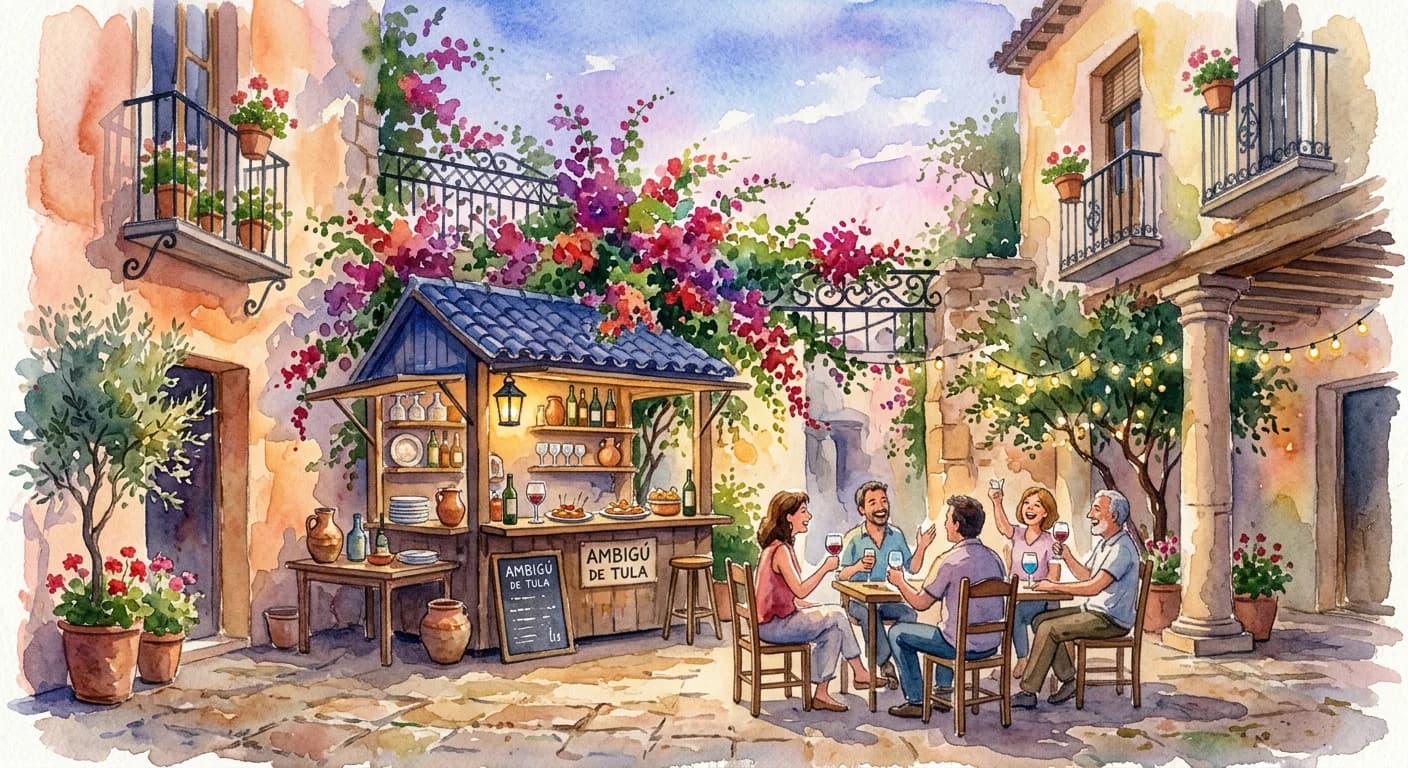
    Artistic representation of Ambigú
    Spanish•
    🇪🇸Spain

    Ambigú

    /ahm-BEE-goo/

    Meaning

    An "ambigú" embodies a quintessential Spanish informal gathering, typically hosted in a private home, where spontaneity reigns supreme. It's not a pre-planned event with a guest list and a set menu, but rather an organic convergence of friends and acquaintances drawn together by a shared desire for relaxed companionship. Picture an evening unfolding with casual drinks, an assortment of simple snacks, and easy, flowing conversation, all fostering a warm, unpretentious atmosphere where genuine social connections blossom without the pressure of formality.

    Literal Translation

    ambiguous; ambivalent

    The Story Behind the Word

    The existence of 'ambigú' reflects a deep-seated Spanish cultural value placed on spontaneous conviviality and the importance of personal relationships. Unlike more formal 'fiestas' or 'reuniones,' the ambigú emphasizes the human connection over elaborate preparations, highlighting a societal appreciation for shared moments of leisure and conversation. Its very informality is its strength, demonstrating a collective belief that the best social interactions are those that emerge naturally, unfettered by rigid structures. This word reveals a culture that cherishes the art of simply 'being together,' valuing presence and connection as much as, if not more than, grand spectacle.

    Experience It

    Spontaneous Evening Gathering

    Maria called her friends on a Tuesday evening, suggesting they come over for an 'ambigú' since she had some leftover tapas and wine. Soon, her living room was filled with laughter and chatter, as friends dropped in and out, sharing stories and enjoying the relaxed company.

    Post-Dinner Ambigú

    After a family dinner, Uncle Pedro declared, 'Let's turn this into an ambigú!' Bottles of digestifs appeared, card games began, and the conversation drifted from serious topics to lighthearted banter, extending the evening's warmth long into the night.

    The Deeper Meaning

    The 'ambigú' encapsulates a philosophy of social living that prioritizes genuine connection and the joy of shared presence over meticulously planned events. It reflects a belief that true happiness in social settings often arises from spontaneity and the freedom to simply exist and interact, fostering a sense of community that is organic and deeply human.

    Did You Know?

    The word 'ambigú' originally referred to a buffet-style meal where various dishes were ambiguously combined, evolving to describe the informal social setting around such a spread.

    How It's Used

    Used to describe a casual, informal gathering or party, typically at someone's home, where friends and acquaintances come together for drinks and conversation.

    Emotions
    belonging,comfort,joy,warmth
    Contexts
    celebration,dining,friendship,relaxation
    🇪🇸Spain

    by Anya Petrova·Written Mar 14, 2026·Updated Apr 3, 2026

    Related Words

    Explore more
    HyggeDanish

    Hygge is more than mere coziness; it's a holistic embrace of comfort, warmth, and belonging that nourishes the soul. It describes the intentional creation of an intimate atmosphere where simple pleasures, genuine connection, and mindful presence converge, fostering a profound sense of contentment and well-being. It's about finding joy and peace in the small, everyday moments, often shared with loved ones.

    SaudadePortuguese

    Saudade encapsulates a profound, melancholic longing for something or someone cherished that is absent, often with the bittersweet knowledge that it may never return. It's a deep emotional state tinged with nostalgia, evoking a sense of loss for past experiences, places, or people, yet also holding a tender appreciation for the beauty of what once was. This yearning is not merely sadness, but a complex tapestry of desire, memory, and a poignant acceptance of absence, holding the beloved in a warm, persistent embrace within the heart.

    GezelligDutch

    Gezellig encapsulates a profound sense of warmth, belonging, and convivial comfort, extending beyond mere coziness to embrace the social and emotional atmosphere. It's the feeling of being truly at ease, surrounded by good company, laughter, and a shared sense of contentment. This untranslatable term describes not just a physical space, but a holistic experience where time seems to slow down, fostering genuine connection and a deep sense of well-being.

    Dolce far nienteItalian

    Dolce far niente captures the profound joy and effortless pleasure derived from simply existing without obligation or purpose. It's the art of savoring moments of pure, unadulterated idleness – lying in the sun, watching the clouds drift, or enjoying a leisurely coffee – not as a break from work, but as a valuable state in itself. This 'sweetness of doing nothing' is a conscious embrace of stillness and contentment, allowing the soul to breathe and the senses to fully engage with the present.