U.
HomeRegionsLanguagesEmotionsCollections
Find Your Word

“The limits of my language mean the limits of my world.”

— Ludwig Wittgenstein, Philosopher

Untranslatable

A curated collection of the world's most beautiful expressions—words that remind us language is humanity's greatest invention.

  • Home
  • Collections
  • Regions
  • Countries
  • Emotions
  • Tags
  • Contexts
  • Finder
  • Europe
  • Asia
  • Americas
  • Africa
  • Middle East
  • About
  • Contact
  • Privacy Policy
  • Terms of Service

2026 © Untranslatable. All rights reserved.

    /
    /
    1. Home
    2. /
    3. Europe
    4. /
    5. Anciano
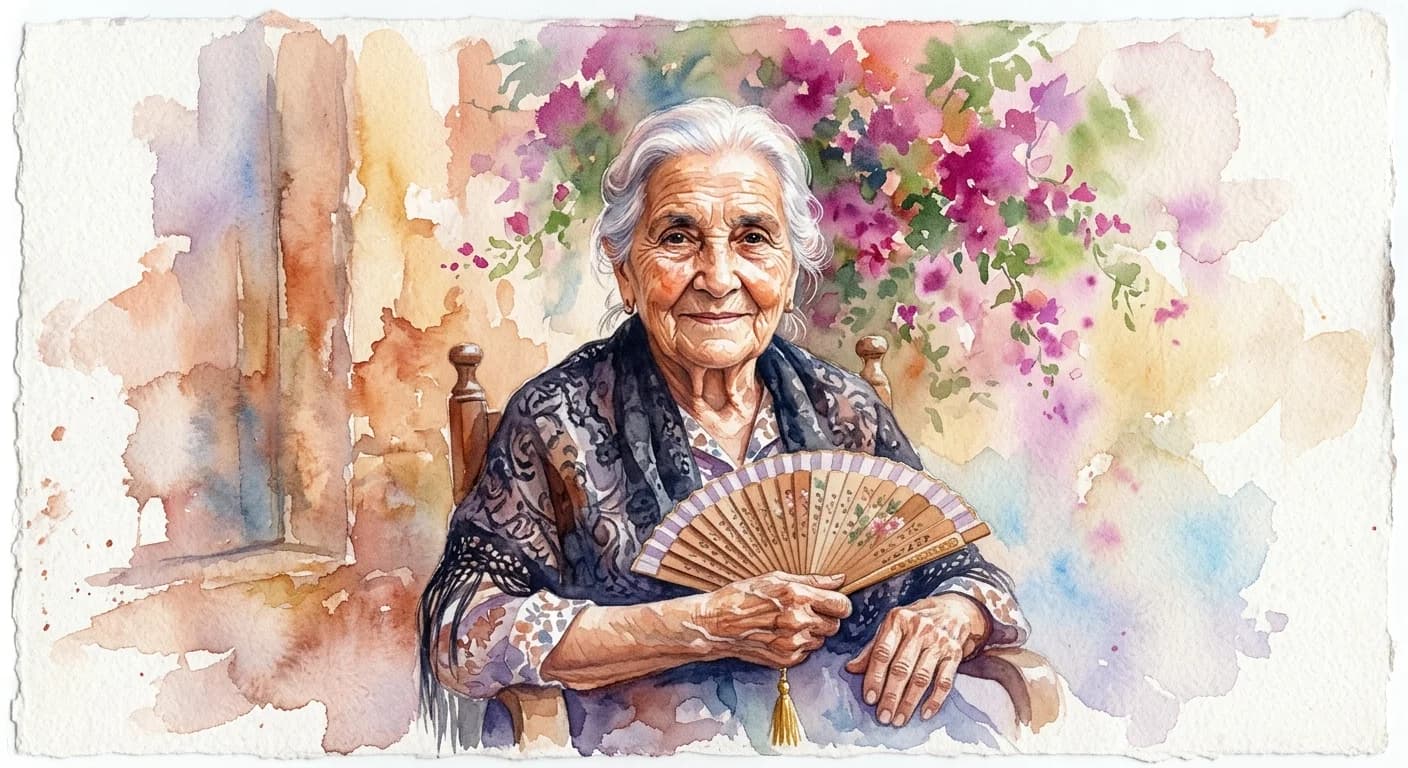
    Artistic representation of Anciano
    Spanish•
    🇮🇹Italy🇪🇸Spain

    Anciano

    /ahn-see-AH-no/

    Meaning

    While 'anciano' literally translates to 'elderly' or 'old person' in English, in Spanish and Italian cultures, it carries a profound sense of respect and reverence for age. It's not merely a descriptor but an acknowledgment of wisdom, experience, and the esteemed position elders hold within families and communities. This term evokes a feeling of dignity and honor associated with the passage of time, suggesting a person who has lived a full life and is deserving of particular deference, care, and the privilege of sharing their life's lessons.

    Literal Translation

    elderly

    The Story Behind the Word

    The deep respect for 'ancianos' in Spanish culture is rooted in a blend of Catholic tradition emphasizing honor for one's parents and elders, and a long-standing communal structure where oral history and life lessons were passed down through generations. Historically, elders were the keepers of knowledge, traditions, and family legacy, making their counsel invaluable. This reverence is reflected in societal norms, where seating is offered, opinions are sought, and their presence is cherished at family gatherings, solidifying their role as the venerable pillars of society. It reveals a worldview that values continuity, intergenerational connection, and the intrinsic worth of a life fully lived, rather than solely focusing on youth or productivity.

    Experience It

    Family Gathering Respect

    During a large family dinner, all conversation pauses respectfully when Abuela Elena, an 'anciana' of 92, begins to tell a story from her youth. Children lean in, young adults listen intently, and even the most boisterous relatives quiet down, acknowledging her wisdom and the weight of her words.

    Public Deference

    On a crowded bus, a young man immediately stands up and offers his seat to a frail 'anciano' who has just boarded. The elder nods in thanks, and the gesture is seen not as an obligation, but as a natural expression of respect deeply ingrained in Spanish social etiquette.

    The Deeper Meaning

    The concept of 'anciano' embodies a philosophy that views aging not as a decline, but as an ascent to a position of revered wisdom and experience. It underscores the belief that accumulated years bring invaluable insights and a unique perspective on life's complexities, emphasizing a cyclical view of existence where each stage has inherent value and purpose within the community's fabric.

    Did You Know?

    In some rural Spanish communities, the 'anciano' acts as an informal community historian, their memory serving as a living archive of local events, traditions, and family lineages.

    How It's Used

    Used to refer to an elderly person, often with a tone of respect, affection, or dignity. It can be used formally or informally, depending on the context and relationship.

    Emotions
    belonging,gratitude,warmth
    Contexts
    community,family,farewell,greeting
    🇮🇹Italy🇪🇸Spain

    by Annelise Dubois·Written Mar 14, 2026·Updated Apr 3, 2026

    Related Words

    Explore more
    HyggeDanish

    Hygge is more than mere coziness; it's a holistic embrace of comfort, warmth, and belonging that nourishes the soul. It describes the intentional creation of an intimate atmosphere where simple pleasures, genuine connection, and mindful presence converge, fostering a profound sense of contentment and well-being. It's about finding joy and peace in the small, everyday moments, often shared with loved ones.

    SaudadePortuguese

    Saudade encapsulates a profound, melancholic longing for something or someone cherished that is absent, often with the bittersweet knowledge that it may never return. It's a deep emotional state tinged with nostalgia, evoking a sense of loss for past experiences, places, or people, yet also holding a tender appreciation for the beauty of what once was. This yearning is not merely sadness, but a complex tapestry of desire, memory, and a poignant acceptance of absence, holding the beloved in a warm, persistent embrace within the heart.

    GezelligDutch

    Gezellig encapsulates a profound sense of warmth, belonging, and convivial comfort, extending beyond mere coziness to embrace the social and emotional atmosphere. It's the feeling of being truly at ease, surrounded by good company, laughter, and a shared sense of contentment. This untranslatable term describes not just a physical space, but a holistic experience where time seems to slow down, fostering genuine connection and a deep sense of well-being.

    Dolce far nienteItalian

    Dolce far niente captures the profound joy and effortless pleasure derived from simply existing without obligation or purpose. It's the art of savoring moments of pure, unadulterated idleness – lying in the sun, watching the clouds drift, or enjoying a leisurely coffee – not as a break from work, but as a valuable state in itself. This 'sweetness of doing nothing' is a conscious embrace of stillness and contentment, allowing the soul to breathe and the senses to fully engage with the present.