Anrak
/ahn-rahk/
Meaning
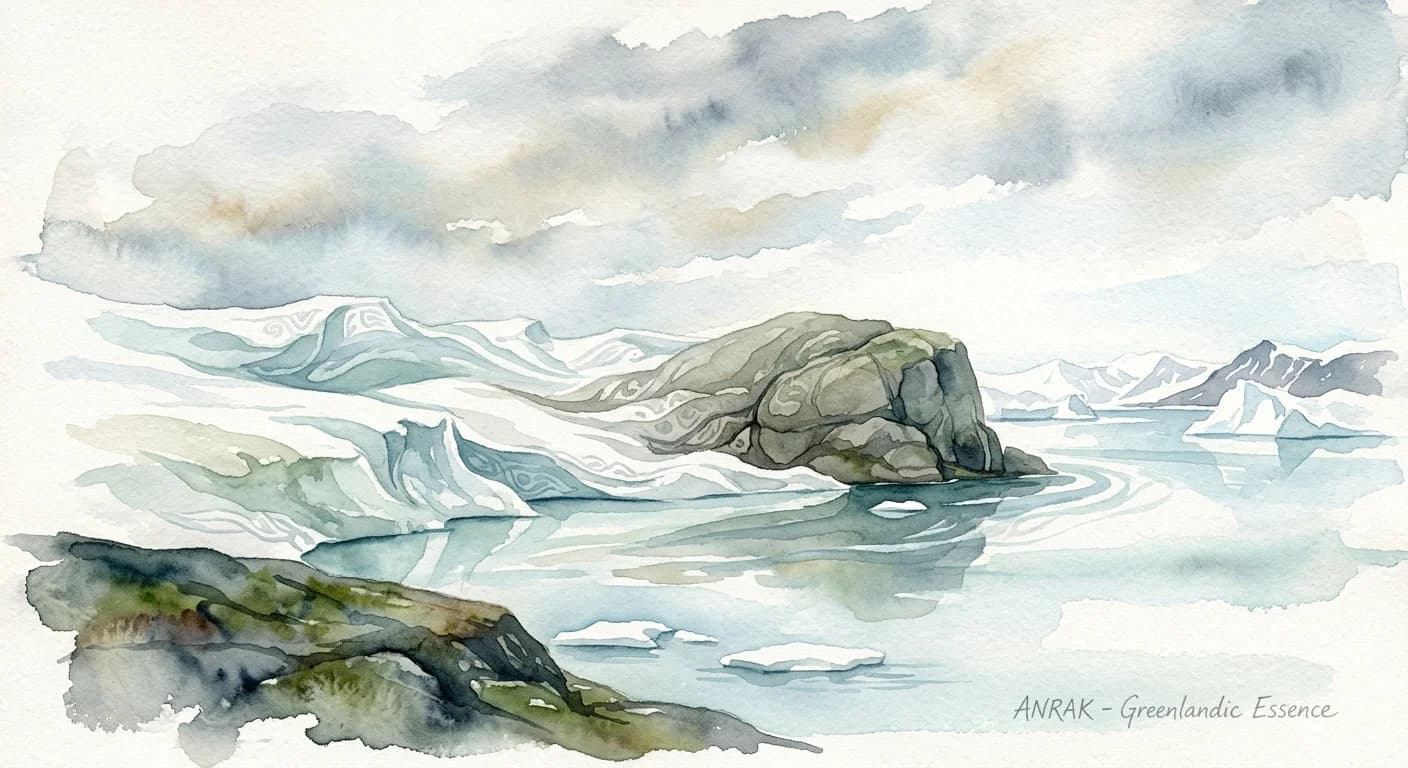
Anrak is the pervasive spiritual essence or animating life force that imbues every element of the Arctic world, from the towering icebergs and ancient rocks to the swift winds and all living beings. It signifies the profound interconnectedness of existence, where every part of nature possesses an inherent spirit demanding respect and acknowledgment. This concept highlights a worldview where humans are not separate from, but deeply entwined with, a sentient environment, requiring a reciprocal relationship to maintain harmony and ensure survival.
Literal Translation
life force, spirit
The Story Behind the Word
The concept of anrak is fundamental to the Inuit worldview, arising from millennia of intimate interaction and dependence on the Arctic environment. In a landscape that can be both bountiful and unforgiving, understanding and respecting the inherent spirit of all things—animate and inanimate—was crucial for survival. Traditional Inuit belief systems do not draw a sharp distinction between the natural and supernatural; anrak bridges these realms, suggesting that the spiritual dimension is embedded within the physical world. This philosophy fostered a profound sense of humility and reverence, as every hunt, journey, or resource extraction was undertaken with the awareness that one was interacting with beings or elements possessing their own anrak. It underpins practices of offering and gratitude, ensuring balance and preventing offense to the spirits of the land, sea, and sky.
Experience It
Respecting the Glacier's Anrak
An elder, guiding young hunters across a vast glacier, paused at the edge of a deep crevasse. Before proceeding, she spoke softly to the ice, acknowledging its ancient spirit and asking for safe passage. This act of reverence, a recognition of the glacier's anrak, underscored the Inuit belief that even seemingly inanimate elements possess a vital essence that demands respect.
Hunter's Gratitude
After a successful seal hunt, a hunter carefully placed a small piece of blubber back into the water. This offering was a gesture of thanks, not just to the animal's spirit, but to the anrak of the sea itself. It symbolized the reciprocal relationship between humans and their environment, acknowledging the life force shared by all and ensuring future abundance.
What Gets Lost in Translation
English speakers might mistakenly equate anrak with a simple 'soul' or 'ghost.' However, anrak is far more pervasive and less anthropocentric; it's an intrinsic quality of existence, not just something residing within living beings, but a universal spiritual energy. It's not about worshipping individual spirits, but recognizing the inherent, shared vitality of the entire cosmos.
Across Cultures
While unique in its Arctic context, similar concepts of an animating life force or spiritual essence in nature exist in various indigenous cultures. The Japanese concept of 'kami' in Shintoism, which can refer to spirits in natural phenomena, and the animistic beliefs of many Amazonian tribes, where spirits inhabit plants and animals, share thematic similarities with anrak in recognizing the sacredness and sentience within the natural world.
The Deeper Meaning
Anrak reveals a deeply ecological and relational philosophy, where humanity is an integral part of a sentient, interconnected web of life, rather than its master. It underscores a worldview of radical respect and humility towards all natural phenomena, fostering a profound sense of responsibility and stewardship. This philosophy emphasizes interdependence, where human well-being is inextricably linked to the health and harmony of the entire environment.
Did You Know?
The Inuit traditionally believed that even tools and kayaks possessed a form of anrak, becoming extensions of the user's spirit and requiring careful maintenance and respect to perform their best.
How It's Used
Used when discussing the spiritual or vital essence of natural elements, animals, or the environment in Inuit culture.